
Featured
On Nigeria’s Participation at the 2020 Tokyo Olympics
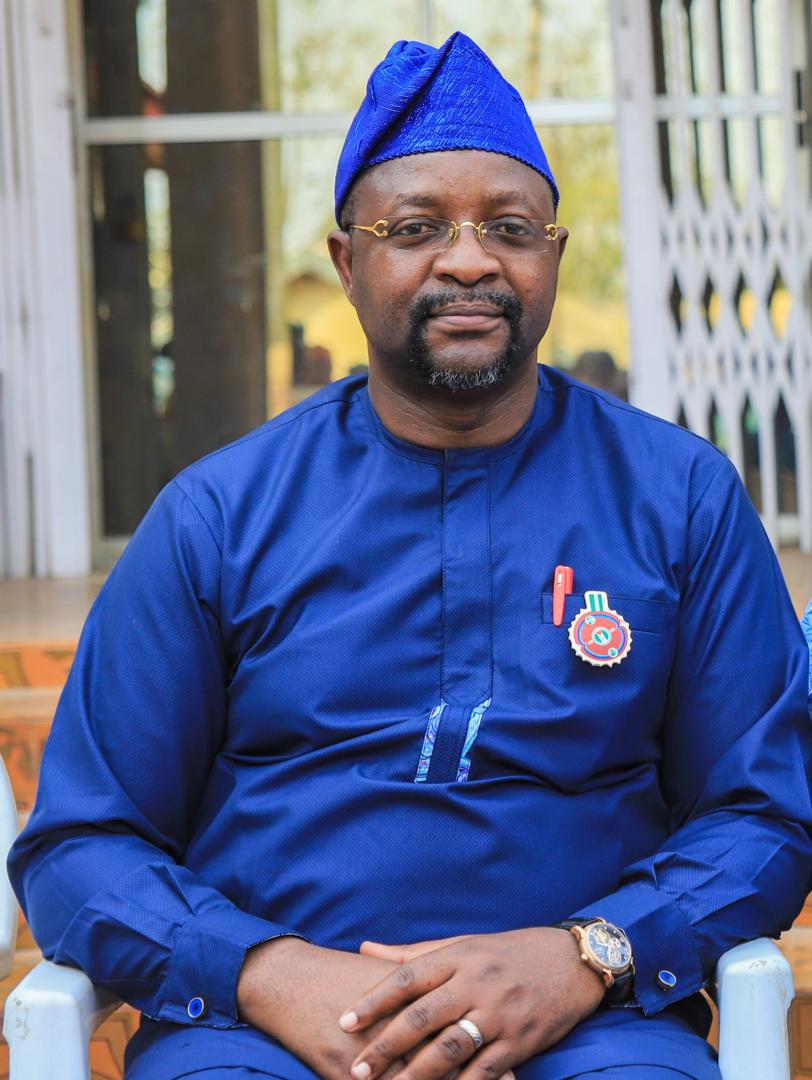
Not wanting to add to the public distraction, I have deliberately waited until the end of the Tokyo 2020 Olympic Games before making any observations regarding the various reports on Nigeria’s participation in the quadrennial games.
2. This was out of respect for our athletes who had committed so much effort and made such considerable personal sacrifice in order to represent our nation as best as they could. Overall, we should be proud of Team Nigeria and the effort they made. The bottom line is that these games should always be about the athletes and the spirit of friendly competition and excellence the Olympics are meant to engender.
3. Sadly, some people seem not to have embraced either the good cause of our national athletic pursuits or the collegial and noble spirit that the Olympics promote.
4. The rancour and confusion some people seem intent on sowing are terribly out of place given the impressive performance of our team and good spirit with which they performed. The Tokyo 2020 Olympics are now over, which means we can begin to honestly and objectively assess what was accomplished as well as what we must do to improve performance for future contests.
5. Nigeria succeeded with two (2) medals – a silver in wrestling won by Blessing Oborodudu and a bronze in long jump won by Ese Brume. Their performances were inspiring for they affirmed we can and should compete at the highest levels across the full range of sports events. Yes, we had wished and worked for more medals. But we must also put things in perspective. The medal outcome at the 2020 Tokyo Olympics stands as Nigeria’s best result in the last 13 years.
6. Moreover, the athletes of Team Nigeria did their nation proud. Many of them reached the finals of their respective sports and, competing with all they had, were in contention for medals until the final moment. Any one who saw their efforts would have nothing but the utmost respect for them, their coaches and all the technical staff that made Tokyo possible.
7. I thank President Muhammadu Buhari for his unrelenting support for Sports and Youth development and indeed for the opportunity to serve and lead our participation at these games. Team Nigeria placed 74th position on the final Olympic medal table among 205 participating countries, despite our small contingent to the games. We were 8th among 52 African countries that participated. Team Nigeria excelled in many areas that engender hope for greater success in the future.
8. Nigeria had five Olympic finalists in 100 meters Hurdles Women, Short Put, Long jump, Wrestling and 100 meters men. Team Nigeria broke the 13 year old jinx of no medal in Long jump and 25 years of no finalist in the men’s 100 meters, and secured a medal in wrestling for the very first time. Overall, our performance was good and more importantly it is headed in the right direction.
9. While the general trends and overall performance was positive, I must mention two unfortunate incidents that occurred.
10. First is the mishap resulting in 10 Team Nigeria athletes being ruled ineligible to compete for missing their mandatory Out of Competition Test, OTC. When notice of this ruling got to me, I immediately mobilized my team and the AFN leadership to see how the situation could be salvaged. We mounted a vigorous appeal process with Athletics Integrity Unit, AIU and had the team members complete the tests. However, timing became the critical issue . Despite our energetic appeal, the deciding committee made its announcement which gave no latitude to our team members for what was only an inadvertent lapse.
11. The adverse decision was painful to accept. We had prepared carefully and eagerly for the Olympics with the expectation that each person, federation, coach and athlete would also complete the necessary preparations required of them. As Minister, I ensured that all necessary approvals were done so that all requisite tests and exams could be timely completed. For me this unfortunate incident is most painful because these athletes had prepared long and hard and also in view of the challenging circumstances due to COVID-19.
12. As the Minister I must bear some institutional responsibility for this lapse. I also had to depend and expect that each person in the long and often technical chain will perform their role expeditiously and with precision. Unfortunately, somewhere along the line someone failed in their responsibility and as Minister I bear the responsibility and brunt of criticsm. But that is not enough. I must move to ensure that Nigeria never experiences another such moment. I have ordered a full investigation that will not only uncover what happened, but will also, recommend a process where such lapses can never occur in the future and initiate leveraging compliance monitoring technology to guardrail this.
13. I have personally apologized to the affected athletes. Here and now, I personally apologize to all Nigerians for this ineligibility episode. The AFN has also taken responsibility and apologized to the athletes and to Nigerians.
14. Already, a new Medical and Anti-Doping Commission has been set up to establish a fool proof system of testing and ensure Nigeria exits the A Categorization by WADA.
Also,Blessing Okagbare remains one of our best athletes who has served Nigeria well. We emphatize with her. Nigeria will monitor closely developments around her temporary suspension and appeal.
15. The second issue had to do with the apparel provided for the team.
16. The Ministry’s responsibility and that of the 38 National Sporting Federations, NSFs of kitting are well spelt out. The production of general wears for Team Nigeria is always the responsibility of the Ministry of Youth and Sport Development. Procurement for the Competition Wear is the responsibility of the respective federations because of the fact that each sport requires specialized outfits. Boxing, Wrestling, Atheletics and each of the federations need different gears. The Ministry provides budgetary support to the federations.
17. The quantity of competition wears given to each athlete is the decision of the particular federation. No complaints came to my notice until the Tik Tok Video posted by one of the athletes went viral. We Immediately stepped in to manage the situation. The Federation involved has been directed to provide a detailed explanation about the kit.
18. Team Nigeria was properly kitted for the games with a 9-item back pack using a local manufacturer in harmony with President Buhari’s policy on local content.
19. Before any federation which is a component of Team Nigeria however wears any brand, it must refer to the Ministry and the NOC for clearance and approval. The Ministry and NOC must be fully aware of the contract details by the Federation to protect the rights and freedoms of the athletes and ensure Nigeria’s interests are protected. In this situation, the Ministry wishes to state that the contractual arrangement between AFN and Puma prior to the Olympic Games has generated a lot of controversy between the former President of the Federation and the former Board members. I will not want to go into too much details on this issue because it is sub judice. Suffice it to say that the Ministry was not part of the agreement. The Tik Tok video on the issue was an attempt to create a media frenzy to embarrass Nigeria.
20. Following from the above, the issue relating to the competition wears vis a vis the alleged arrangement with Puma is most unfortunate. I have demanded a proper investigation into this matter. Such an inquiry will unearth the truth about how some people tried to sabotage Nigeria’s participation and undermine the country and our Olympic athletes.
21. On assumption of office as Minister of Youth and Sports 2 years ago, I began a gradual reformation of the National Sports Federations, NSFs. For years, a few of these federations were very badly run. These reforms will take time. There already is and will be stiff resistance from some quarters, which is what we are witnessing now. But we are resolute to establish better sport’s management, a legacy President Muhammadu Buhari is desirous of bequeathing to our sports development.
22. There is much to hope for the future. In Tokyo, Most of our athletes were young and debutants – first time Olympians. They gave their all. If only we can support them in a sustained manner, they will give us future Olympic medals and raise high the flag of Nigeria at all venues of international sports competition. We have started building a new generation of Young Nigerian athletes who will benefit immensely from the Nigerian Sports Industry Policy which will be placed before the Federal Executive Council for approval shortly. This policy will unleash the economic potential of our sports sector following President Buhari’s reclassification of sports as a business, away from recreation. This will be the foundation for sustained sector growth and maximization of our human resources.
23. The Tokyo 2020 Olympics experience will move and challenge me to push our sports to a higher level and seek a better condition for all our athletes.
24. Team Nigeria went to Tokyo 2020 and competed against the best in the world. Two Olympics medals and a statistical performance that has a place in the history of our Olympic participation despite being one of our smallest contingents. We can perform even much better if we alI hold onto the lessons learnt.
25. I remain grateful to all the athletes that so represented Nigeria well.



Business
Turning Africa’s Raw Materials Into Wealth: The ARMS 2026 Industrial Agenda
By Joel Ajayi
For decades, Africa’s vast natural resources have powered industries and economies far beyond the continent, while many African countries have remained largely exporters of unprocessed commodities and importers of finished products.
That familiar pattern is now coming under renewed scrutiny as policymakers, researchers, investors and industrialists seek to change the direction of Africa’s resource economy.
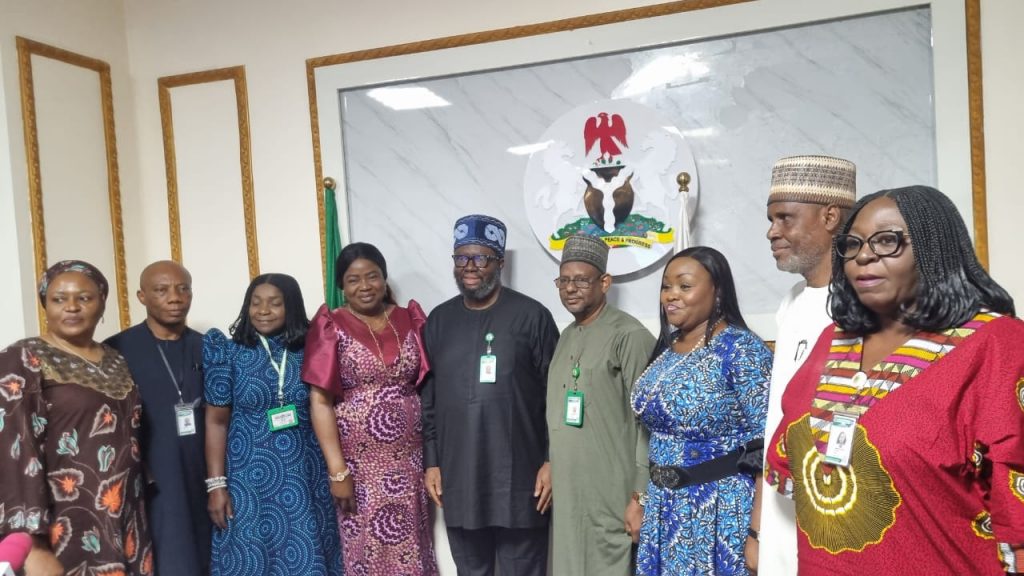
At the centre of that conversation is the second edition of the Africa Raw Materials Summit (ARMS 2026), scheduled for October 19 and 20 at the Abuja Continental Hotel, Abuja, under the theme: “From African Feedstock to African Factories.”
Organised by the Raw Materials Research and Development Council (RMRDC), the summit is being positioned as more than another gathering of policymakers and industry stakeholders. It is intended to provide a platform for confronting the structural challenges that have kept African raw materials largely disconnected from local manufacturing.
Africa has for years operated largely within a “pit-to-port” economic model, exporting raw materials while importing expensive finished products.
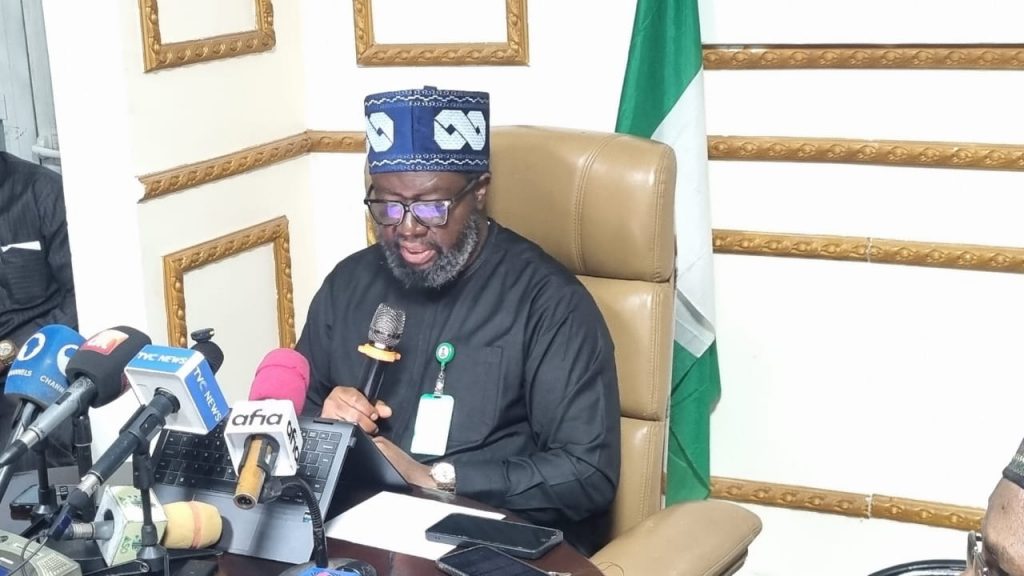
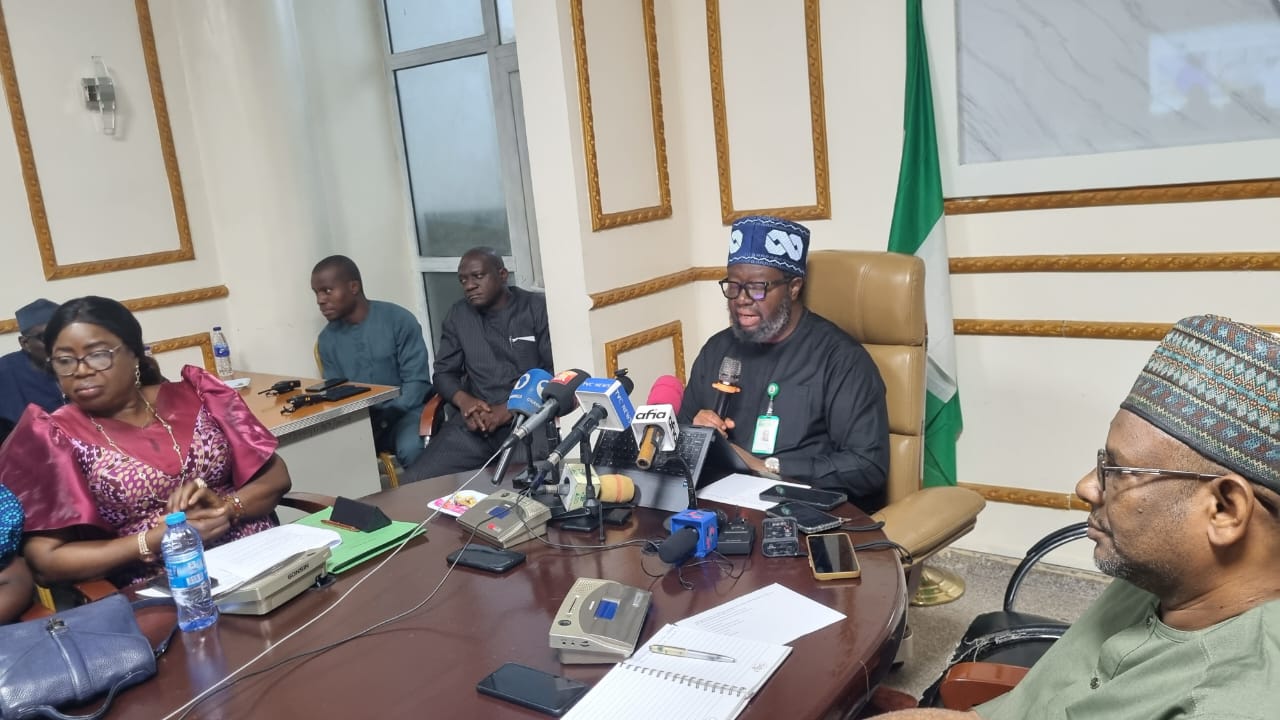
Speaking at a press conference ahead of the summit on Tuesday in Abuja, the Director-General and Chief Executive Officer of RMRDC, Prof. Nnanyelugo Martin Ike-Muonso, said the event would bring together policymakers, investors, researchers, technology providers and industrialists to develop practical strategies for transforming Africa’s abundant natural resources into industrial wealth.
The challenge, therefore, is not simply the abundance of resources, but the continent’s ability to transform those resources into industrial value, employment, technology and wealth within Africa.
Nigeria alone, according to the RMRDC, has more than $582.4 billion in documented non-renewable natural resources, while the wider continent possesses substantial deposits of critical minerals, agricultural raw materials and industrial feedstock.
Yet, the benefits of this resource endowment have often been constrained by inadequate processing capacity, weak infrastructure, limited technology, financing gaps and fragmented regional value chains.
From Dialogue to Industrial Action
ARMS 2026 builds on the maiden edition held in May 2025, which attracted more than 1,000 delegates from across the world.
The inaugural summit also witnessed the unveiling of the Ten-Year Raw Materials Transformation Roadmap (2025–2034) by the Minister of State for Industry, Senator John Owen Enoh.
The roadmap was designed around areas including technological capability, climate-resilient processing and backward integration, establishing a policy framework for greater domestic utilisation of Africa’s raw materials.
The second edition is expected to move the conversation further by bringing policy, capital, technology and industrial stakeholders around practical mechanisms for turning raw materials into locally manufactured products.
One of the major proposals highlighted by the RMRDC is the 30 per cent Mandatory Value Addition Bill, which seeks to establish a statutory minimum level of value addition to Nigerian raw materials before export.
The Council says the proposed framework could support job creation, import substitution, foreign-exchange conservation and increased manufacturing contribution to the economy.
Building the Infrastructure for Value Addition
The industrial transformation envisaged by ARMS 2026 goes beyond legislation.
A major concern is the “missing middle” between where raw materials are produced and where factories are located.
Poor transportation networks, inadequate cold-chain facilities, weak rural roads, limited testing and certification infrastructure and border-related delays can make locally sourced materials more expensive and less competitive.
Consequently, logistics and infrastructure constitute one of the five principal pillars of the summit.
The objective is to develop more reliable corridors connecting farms and mines with processing centres and manufacturing facilities, thereby reducing losses and improving the movement of industrial inputs.
The Digital Dimension
Technology is also becoming an important part of the Council’s strategy.
The RMRDC says it has developed the Nigeria Integrated Information Statistical System for Raw Materials and Products (NISSRAMP), described as a digital repository containing information on feedstock deposits, specifications, production outputs and industrial absorption rates.
The Council has also highlighted its transition towards paperless operations and its certification as a Data Controller/Processor of Major Importance by the Nigeria Data Protection Commission.
Such digital infrastructure could provide investors and manufacturers with better information about the availability and characteristics of raw materials while supporting more informed industrial planning.
Turning Waste Into Industrial Inputs
Another major component of ARMS 2026 is the proposed expansion of the circular economy.
The summit will examine how agricultural by-products, mine tailings, scrap metals and biomass can be recovered and reused as inputs for new production processes rather than being treated simply as waste.
The RMRDC argues that such an approach could lower raw-material costs while supporting more sustainable and climate-resilient manufacturing systems.
For Africa, where industrial expansion must increasingly balance economic development with environmental considerations, waste industrialisation could become an important part of the continent’s manufacturing conversation.
From National Production to African Value Chains
The African Continental Free Trade Area is another important element of the summit’s agenda.
The RMRDC sees AfCFTA as an opportunity to create regional value chains in which raw materials sourced in one African country can be processed and supplied to manufacturers in another.
Under such a model, Africa would move beyond simply exporting commodities to external markets and develop stronger internal networks for supplying chemicals, refined minerals, agricultural inputs and other industrial materials across national borders.
This approach places regional integration at the heart of Africa’s industrialisation strategy.
Bridging Research and Capital
A recurring weakness in many developing economies is the gap between research and commercialisation.
Innovations may emerge from universities, research institutions and laboratories without receiving the financing, equipment or market connections required to become commercially viable.
ARMS 2026 intends to address that gap through technology commercialisation and capital linkages, connecting research outputs with investors, development finance institutions and industrial off-takers.
The RMRDC has also cited partnerships with the Bank of Industry for commercial-scale post-harvest processing and a South-South technology-transfer partnership with the National Innovation Centre par Excellence in Shanghai, China.
A Larger Industrial Conversation
The scale of ARMS 2026 is expected to be significantly larger than the maiden edition.
The organisers project more than 1,800 delegates from all 54 African countries and global industrial partners.
The programme will feature high-level policy dialogues, technical panels, an advanced raw materials and technology exhibition, industrial site visits and the African Raw Materials Industry Awards.
The exhibition, in particular, is expected to showcase locally fabricated processing machinery, advanced domestic materials, green chemicals and engineered commercial inputs.
Beyond the speeches and exhibitions, however, the real significance of ARMS 2026 will ultimately depend on what happens after the summit.
Africa’s challenge has never been a shortage of raw materials. The more difficult question has been how to transform those resources into factories, products, skilled employment, technology and sustainable economic opportunities.
For Nigeria and the rest of the continent, the proposed shift from “pit-to-port” to “feedstock-to-factory” therefore represents a broader debate about the future structure of African economies.
ARMS 2026 seeks to place that debate firmly on the industrial agenda — with value addition, technology, finance, infrastructure, circular production and regional trade at the centre.
If the commitments and partnerships generated by the summit translate into measurable industrial activity, the event could provide another platform for Africa to examine how its enormous resource base can support stronger domestic manufacturing.
The message from the organisers is clear: the continent’s raw materials should not only leave African soil as commodities; they should increasingly become the foundation for African industrial production
-
 Featured7 years ago
Lampard Names New Chelsea Manager
-
 Featured6 years ago
FG To Extends Lockdown In FCT, Lagos Ogun states For 7days
-
 Featured7 years ago
Children Custody: Court Adjourns Mike Ezuruonye, Wife’s Case To April 7
-
 Featured7 years ago
NYSC Dismisses Report Of DG’s Plan To Islamize Benue Orientation Camp
-

 Featured5 years ago
Transfer Saga: How Mikel Obi Refused to compensate me After I Linked Him Worth $4m Deal In Kuwait SC – Okafor
-
Featured7 years ago
Board urges FG to establish one-stop rehabilitation centres in 6 geopolitical zones
-
Sports4 years ago
TINUBU LAMBAST DELE MOMODU
-

 News2 years ago
Zulu to Super Eagles B team, President Tinubu is happy with you