
Featured
CHRIS IGBOKWE FOUNDATION EMPOWERS NIGERIANS
Chris Igbokwe Foundation, a non-governmental organization, has empowered hundreds of Nigerians in many skills as part of the foundation’s national skill acquisition project meant to empower Nigerian youths and women, reduce poverty in Nigeria and complement government effort towards realization of sustainable development.
The skills range from soap making, decoration, hair dressing and styling, painting and more.
The president of the foundation, Chief Chris Igbokwe, who recently donated different food items and drugs to persons in internally displaced peoples camps, said his desire to change the lives of the people were being motivated by God and his desire to give back to the society.
He appealed to the beneficiaries of the skill acquisition training to make good use of the skills to also empower others and be useful to the society.
As part of the empowerment programme, the foundation fulfilled the promise of providing drugs to the internally displaced persons camps in Abuja.
During the handover of the drugs, patron of the foundation, Sir Mike Obienyi said the fight against insecurity would be won when the youths were meaningfully engaged, hence the urgent need for stakeholders to join the effort of government to reduce unemployment.
A community health specialist, Lovina Njan Ntol and volunteer at the IDP Camp who received the drugs thanked Chris Igbokwe Foundation for the magnanimity and promise to judiciously use the drugs to improve the lives of internally displaced persons in the camp. According to her, what the IDPs need at most is good health and skills as giving them fish always woild not help, rather the need to teach them how to catch the fish and give them net.
Chairman of the displaced persons in Wasa IDP camp, Mr. Geoffrey Bitus prayed for Chris Igbo Foundation and appealed to Nigerians to always remember the internally displaced persons, as it is not their wish to be there.
The camp was led with jubilation as the women who were selected for free skill acquisition danced for a renewed hope provided by the foundation



Featured
Wophill’s Enduring Legacy Earns World Athletics’ Highest Recognition for Women’s Development
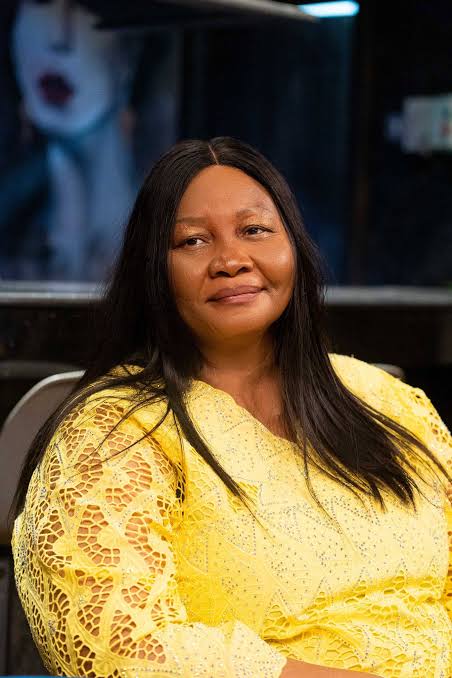
By Joel Ajayi
In a profession where many consider retirement the closing chapter of an accomplished career, Nigerian sports administrator, Madam Maria Wophill, has demonstrated that true service does not end with retirement. Rather, it lives on through the lives touched, opportunities created and institutions strengthened.
Her emergence as the 2026 World Athletics Woman of the Year is not just a personal triumph; it is a fitting recognition of a woman whose commitment to athletics development, particularly the advancement of women and girls, has transcended official positions and active service.
For Wophill, sports administration has never been merely about occupying an office or holding a title. It has been about making a difference, challenging established barriers and creating an environment where women can contribute meaningfully to the growth of athletics.
That philosophy has defined her journey and continues to inspire her work long after her years in active public service.
Her recognition by World Athletics represents the international community’s appreciation of a legacy built on dedication, courage, mentorship and an unwavering belief in the potential of women in sports.
During her tenure as Secretary-General of the Athletics Federation of Nigeria (AFN) between 2005 and 2013, Wophill contributed to the administration and development of athletics in Nigeria, gaining valuable experience that would later strengthen her advocacy for women in sports leadership.
However, her contributions were never restricted to the confines of the federation’s secretariat.
She understood that the future of Nigerian and African athletics depended not only on producing outstanding athletes but also on developing capable administrators, coaches and leaders who could influence decisions and shape the direction of the sport.
This understanding became a driving force behind her campaign for greater female representation in sports administration.
One of her notable contributions was her advocacy for increased female representation on the boards of Nigeria’s national sports federations, an initiative that secured approval for additional female representation.
It was a significant step towards correcting the imbalance in sports leadership and ensuring that women had a stronger voice in decisions affecting their participation and development.
Even after leaving active service, Wophill did not abandon the cause that had defined much of her professional life.
Instead, she continued to deploy her experience, contacts and influence to create opportunities for other women, demonstrating that retirement from public office does not necessarily mean retirement from purposeful service.
Her influence has also spread beyond Nigeria. In 2024, she spearheaded the establishment of the Confederation of African Athletics (CAA) Gender Leadership Task Force, providing a platform to promote women’s participation in athletics administration across the continent.
Through seminars, capacity-building programmes and leadership initiatives, the task force has continued to encourage women to develop the confidence and competence required to occupy influential positions in sports.
Her involvement in mentorship initiatives, including the Women’s Sport Leadership Academy (WISH) programme, further reflects her belief that the next generation of female sports leaders must be deliberately prepared for the responsibilities ahead.
For Wophill, opening the door is only the beginning; helping others acquire the skills, experience and confidence to walk through it is equally important.
Her passion for grassroots development is also evident in the introduction of the Abuja FCT Girls Sprints and Relays competition.
The initiative provides schoolgirls in junior and senior secondary schools with opportunities to discover their abilities, compete and develop their talents in athletics.
It is a practical demonstration of her belief that the journey towards producing future champions and administrators must begin early, with opportunities created for young girls to participate and excel.
The significance of such an initiative goes beyond medals and podium finishes. It is about giving young girls the confidence to dream, compete and understand that their gender should never be a limitation to their ambitions.
Her eight-year membership of the World Athletics Women Committee, from 2010 to 2018, also underlines her longstanding contribution to the global conversation on women’s participation and representation in athletics.
It is therefore not surprising that World Athletics President, Sebastian Coe, described her as a deserving recipient of the 2026 Woman of the Year Award.
Coe acknowledged her dedication to creating opportunities for women and girls, improving female representation in sports leadership and mentoring others.
His commendation captures the essence of Wophill’s contribution: a woman who has consistently worked to ensure that others have opportunities to succeed.
Reacting to the award, Wophill described the recognition as humbling, expressing pride in the work she has done and renewed determination to contribute to athletics development.
Significantly, she acknowledged the contributions of the Confederation of African Athletics, Nigerian Olympic Committee, National Sports Commission, AFN and Association of Former Female Athletes of Nigeria to her journey.
Her appreciation reflects an understanding that meaningful progress in sports development is a collective responsibility.
More importantly, Wophill has identified gender leadership, the protection of young athletes and mentorship as priorities for her future engagement with the sport.
These are critical areas that require sustained attention, particularly at a time when athletics must do more to protect young talents, strengthen institutional leadership and create equal opportunities for women.
Indeed, her story offers an important lesson to Nigerian sports administrators: the true measure of service is not simply how long one occupies an office, but how much positive change remains after leaving it.
Wophill’s journey is a reminder that experience should not be retired, knowledge should not be abandoned and the responsibility to mentor others should not end with official appointments.
As Nigeria celebrates her emergence as the 2026 World Athletics Woman of the Year, the honour should also serve as an encouragement to the country’s sports authorities to recognise, support and utilise the wealth of experience possessed by accomplished administrators, particularly women who have devoted their lives to building the nation’s sporting institutions.
Madam Maria Wophill has written an important chapter in Nigerian and African athletics. Yet, perhaps her greatest achievement is not the positions she occupied or the awards she has received, but the opportunities she has helped create for other women to rise.
She may have stepped away from active public service, but her passion for athletics development remains unmistakable.
For a woman whose professional journey has been defined by opening doors for others, the 2026 World Athletics Woman of the Year Award is more than a trophy. It is a global acknowledgement that her years of service have made a difference.
And as the next generation of female athletes, coaches and administrators takes its place in the sporting world, Wophill’s enduring message remains clear: leadership is not merely about reaching the top; it is about making it possible for others to rise.
-
 Featured7 years ago
Lampard Names New Chelsea Manager
-
 Featured7 years ago
FG To Extends Lockdown In FCT, Lagos Ogun states For 7days
-
 Featured7 years ago
Children Custody: Court Adjourns Mike Ezuruonye, Wife’s Case To April 7
-
 Featured7 years ago
NYSC Dismisses Report Of DG’s Plan To Islamize Benue Orientation Camp
-

 Featured5 years ago
Transfer Saga: How Mikel Obi Refused to compensate me After I Linked Him Worth $4m Deal In Kuwait SC – Okafor
-
Featured7 years ago
Board urges FG to establish one-stop rehabilitation centres in 6 geopolitical zones
-

 News2 years ago
Zulu to Super Eagles B team, President Tinubu is happy with you
-
Sports4 years ago
TINUBU LAMBAST DELE MOMODU