
Featured
“A New Era of Youth Empowerment: My Commitment to Transformative Initiatives”
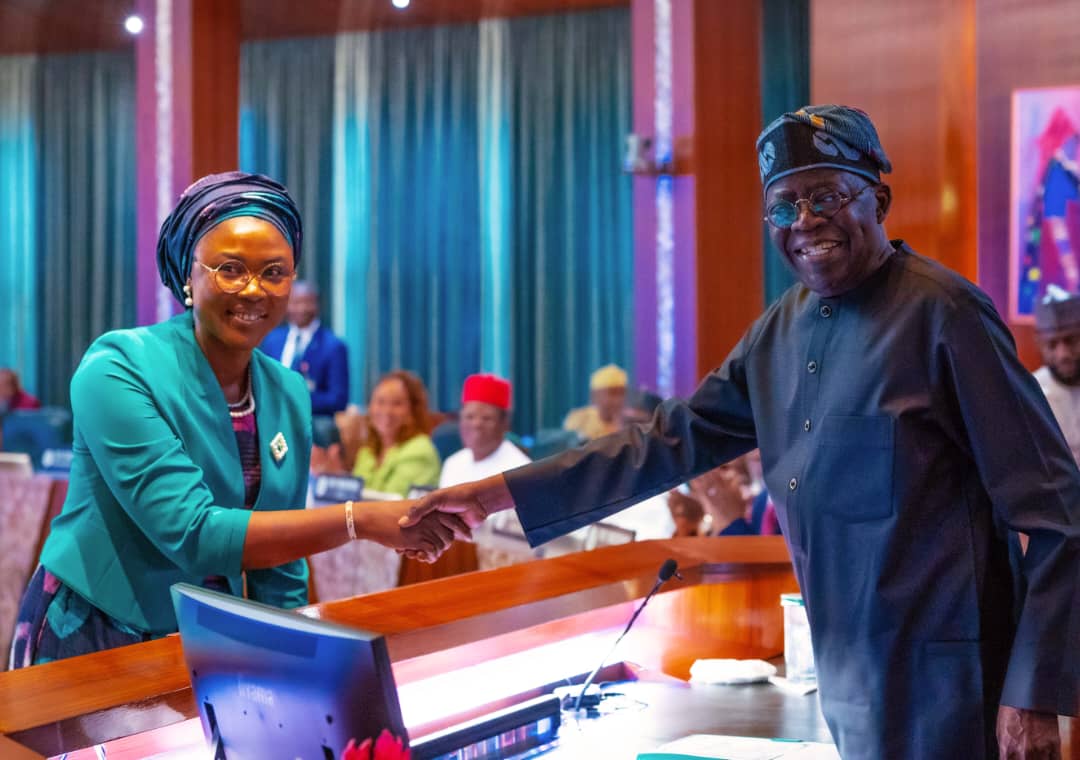
By Dr. Jamila Bio Ibrahim
As the Minister of Youth Development in Nigeria, my commitment to empower our nation’s youth has been unwavering. I acknowledge the concerns regarding my visibility in the media, thus far.
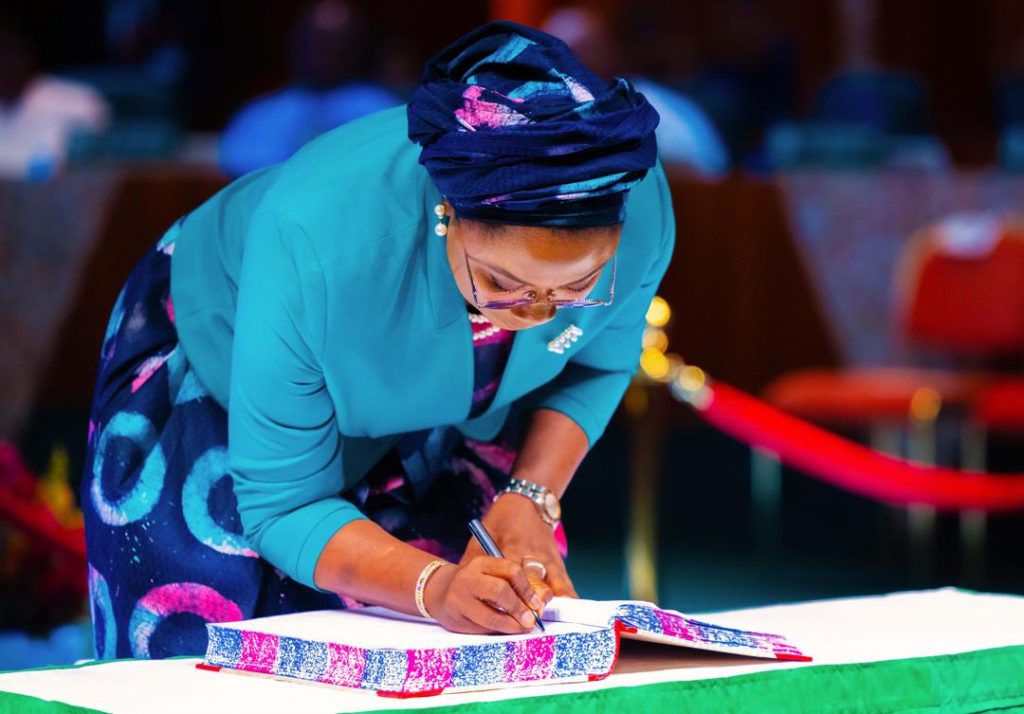
Today, I address these concerns and share exciting developments that mark a new chapter in our journey towards youth empowerment.
Since assuming my role, I have focused on laying a strong foundation for strategies that will profoundly impact Nigerian youth, as the Minister of Youth Development, entrusted with the task of delivering on the consistent promise of Mr. President, His Excellency Asiwaju Bola Ahmed Tinubu, GCFR, to create enduring and sustainable streams of opportunities for Nigerian Youths.
This foundational phase, though essential, is less visible, but has involved aligning critical stakeholders within and outside the government to ensure the success of Mr. President’s initiatives.
One of the key reasons for my deliberate pace in announcing policies and initiatives has been the recognition of the trust deficit between the Nigerian youth and successive governments.
This fracture lies at the very core of our nation’s struggles with insecurity and poverty. Over the years, this trust has been eroded, leading to scepticism and disillusionment among our youth.
From the onset of my tenure, I have been determined not to perpetuate the cycle of unfulfilled promises and ineffective initiatives that have contributed to this mistrust.
Instead, my focus has been on diligently preparing and refining a vision and strategy that the Nigerian youth can not only believe in but also rely upon, in line with the Mr. President’s Renewed Hope Agenda and in consonance with the Ministry’s performance mandate.
We can begin rebuilding trust through thoughtful planning, transparent and honest communication, and the delivery of tangible and impactful programmes.
This approach is not about quick wins or surface-level engagements; it’s about laying a solid, credible foundation for a lasting relationship between the Nigerian youth and the government, one where promises made are promises kept, and initiatives launched are initiatives that genuinely make a difference.
Mr. President’s vision for the youth of Nigeria is transformative, encompassing comprehensive education and skills development and empowerment through various initiatives, and effective engagement at all levels.
Such a vision requires meticulous planning, collaboration, and strategic partnerships.
I understand that in this era of instant communication, the expectation for frequent updates is high. However, my approach has been to prioritize substance over immediacy, ensuring that when we speak, we do so with concrete plans and tangible results.
We are now at a pivotal moment where I can share the fruits of these foundational efforts. Our vision for Nigerian youth is not only ambitious but revolutionary, encompassing education, skills development, and empowerment across various sectors.
Here are some of the transformative initiatives we are proposing:
The NextGen Bank: Set to launch in April 2024, this Retail development financial institution, is a joint initiative with the Bank of Industry, private sector, and development partners and is dedicated to empowering youth and youth-led ventures.
It will provide grants, low-interest loans, and equity investments, catalyzing youth entrepreneurship in priority sectors such Agriculture, Sustainable Mining, Green Energy, Sustainable Mobility, Blue Economy, Healthcare Services, Education and Skill Development, Financial Services, ICT and Telecoms.
Youth Villages: In partnership with States like Niger, Katsina, and Ebonyi, we are establishing sustainable communities — both physical and virtual — focusing on regional economic strengths.
The sustainable communities will be hubs for economic, social, and political engagement, breaking grounds within Q1, 2024. This is apart from the planned rehabilitation of our existing Youth Development Centres across the country, which will commence in earnest this year, 2024.
Restructured and Reinvigorated National Youth Investment Fund (NYIF): In addressing the challenges of insecurity and poverty that presently grip our nation, it is crucial to recognise that our young people, who constitute over 70% of our population, are at the heart of these issues.
The government’s significant expenditure on security and social intervention programmes can be more effectively channelled by providing opportunities for our youth through education, empowerment, and engagement. In this light, the National Youth Investment Fund (NYIF), originally designed to fund youth-led ventures, plays a pivotal role. However, acknowledging that the NYIF has not fully met its objectives, I have initiated a comprehensive review of the programme.
To this end, a 13-member committee of experts has been constituted to evaluate and propose a restructured and revitalised NYIF.
The recommendations, which I plan to present for approval to Mr. President, the Federal Executive Council, and, if necessary, to the National Assembly through a bill, will ensure the fund’s efficiency and impact.
One of my foremost objectives is to secure a commitment of at least 2% of the Nation’s Consolidated Revenue to be annually allocated to the NYIF, ensuring a sustained and significant investment in the potential of our youth and, consequently, in the future of our Nation.
Because I am convinced that an investment today will save the Nation a fortune tomorrow. A stitch in time saves nine.
NYSC Reforms:
We are redefining the National Youth Service Corp as a comprehensive empowerment platform, focusing on employability and entrepreneurship to ensure graduates transition into dignified employment or entrepreneurial ventures post-service.
Skills Programme for Non-graduates and At-Risk Youths: Extending the skill development model of the NYSC programme, this initiative aims to empower young Nigerians lacking formal education or skills.
The Young Leaders’ Institute: In a significant stride towards cultivating a new echelon of visionary leaders, the Ministry of Youth Development is thrilled to announce the inception of the Young Leaders’ Institute. Modelled on the prestigious Aspen Institute, this initiative is uniquely tailored to the Nigerian context, offering an elite platform for leadership development.
Admission into the Institute is a mark of distinction, as it is solely by invitation only, ensuring that only the most promising young talents are nurtured.
What would set the Young Leaders’ Institute apart is its comprehensive mentorship programme, connecting fellows with an impressive network of local, regional, and global leaders. This mentorship is not just about guidance; it’s a gateway to unparalleled opportunities, experiences, and insights from seasoned leaders across various sectors.
The Institute is more than an educational programme; it’s a transformative journey that prepares the brightest young minds to lead with innovation, ethics, and a profound understanding of global and local challenges.
As we launch the Young Leaders’ Institute, we invest not just in individual leaders but in the future of Nigeria and the world. We will commence this institute in the 3rd Quarter of 2024, with an inaugural abridged fellowship programme mostly for existing young Nigerians serving in Government across the country, and we will start bringing in participants from outside of Government in 2025.
Proposal on Mandatory 30% Youth Quota in Government Appointments: In a landmark move towards empowering the Nigerian youth and integrating them into the fabric of our nation’s governance and policymaking, I am thrilled to announce the proposal of a 30% Youth Quota in all government appointments.
This initiative, which I have presented to His Excellency, President Bola Ahmed Tinubu, is designed to ensure that the voices, ideas, and energies of our youth are not just heard but are actively shaping the future of Nigeria.
The youth represent the vibrant heart of our nation, and by embedding them within the decision-making processes of our government, we are not only acknowledging their importance but also harnessing their potential to contribute to national development.
This quota is crucial in reducing the gap between government and youth, addressing national security challenges through positive engagement, and building a governance structure representing our diverse and dynamic population. As the Minister of Youth Development, I am committed to seeing this proposal become a reality, marking a new era of youth empowerment and participation in our beloved country.
These initiatives represent just a glimpse of what the youth of Nigeria can expect under my tenure. They are immediate, actionable plans set to roll out imminently and I am here to serve, lead, and deliver on the promise of a brighter future for our youth. Your voices are heard, and your concerns are taken to heart.
Together, we will embark on this journey of transformation and success.
I also seize this opportunity to express my gratitude to our development partners, including but not limited to the EU Commission, World Bank, Ford Foundation, Bank of Industry, AfDB, and the Africa Union – NEPAD. Their support has been instrumental in shaping these transformative programmes.
Moving forward, I am pleased to announce a new chapter in our communication strategy, which will offer regular updates on our initiatives, progress, and future plans through various media channels. We can expect timely updates, engaging infographics, and narratives showcasing our activities and achievements going forward.
Your feedback is invaluable, and I encourage every Nigerian youth to join us in this journey. Our collective efforts will undoubtedly forge a brighter future for our nation.
Thank you for your continued support and trust.
Dr. Jamila Bio Ibrahim Hon. Minister of Youth Development Federal Republic of Nigeria



Business
Turning Africa’s Raw Materials Into Wealth: The ARMS 2026 Industrial Agenda
By Joel Ajayi
For decades, Africa’s vast natural resources have powered industries and economies far beyond the continent, while many African countries have remained largely exporters of unprocessed commodities and importers of finished products.
That familiar pattern is now coming under renewed scrutiny as policymakers, researchers, investors and industrialists seek to change the direction of Africa’s resource economy.
At the centre of that conversation is the second edition of the Africa Raw Materials Summit (ARMS 2026), scheduled for October 19 and 20 at the Abuja Continental Hotel, Abuja, under the theme: “From African Feedstock to African Factories.”
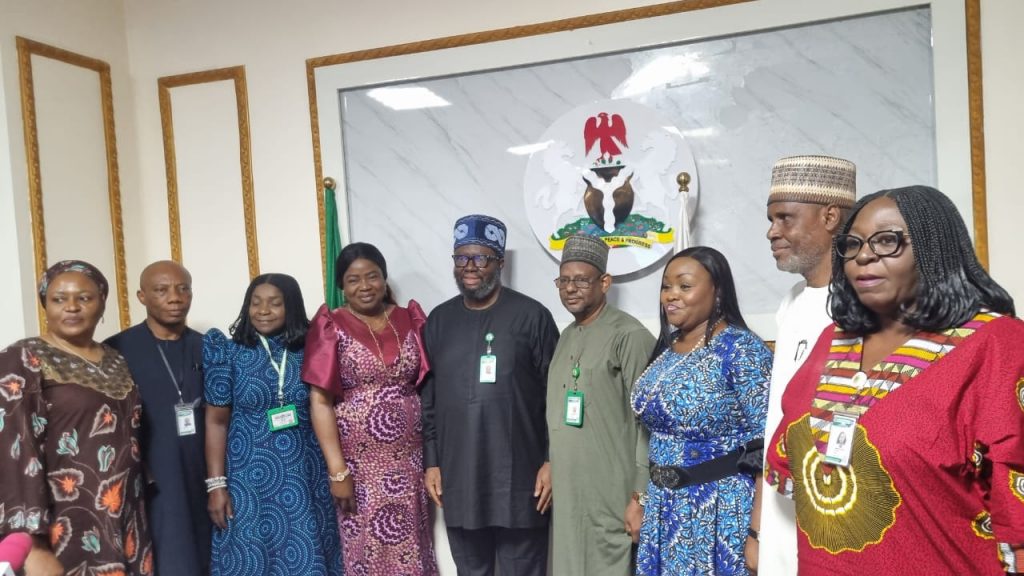
Organised by the Raw Materials Research and Development Council (RMRDC), the summit is being positioned as more than another gathering of policymakers and industry stakeholders. It is intended to provide a platform for confronting the structural challenges that have kept African raw materials largely disconnected from local manufacturing.
Africa has for years operated largely within a “pit-to-port” economic model, exporting raw materials while importing expensive finished products.
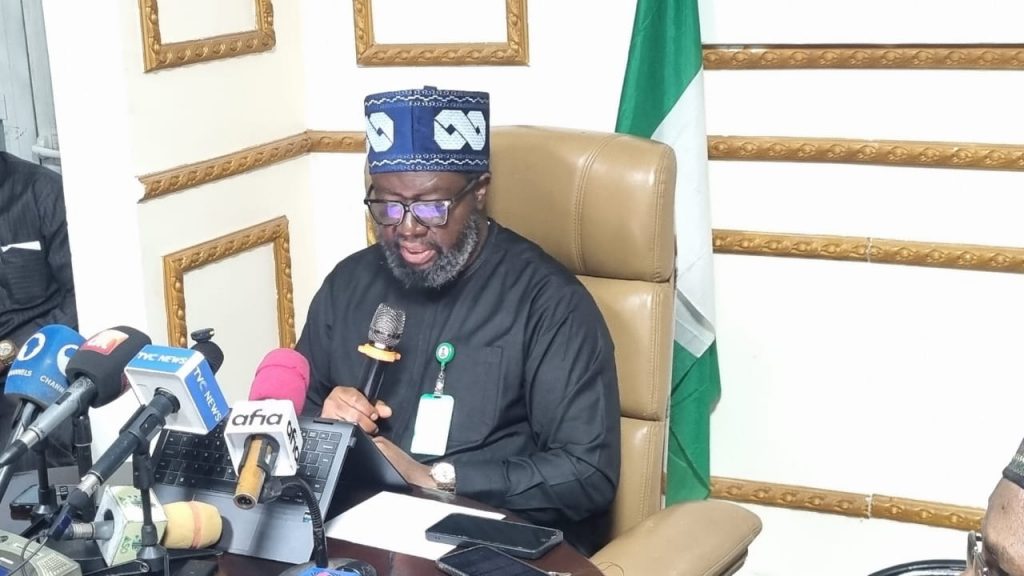
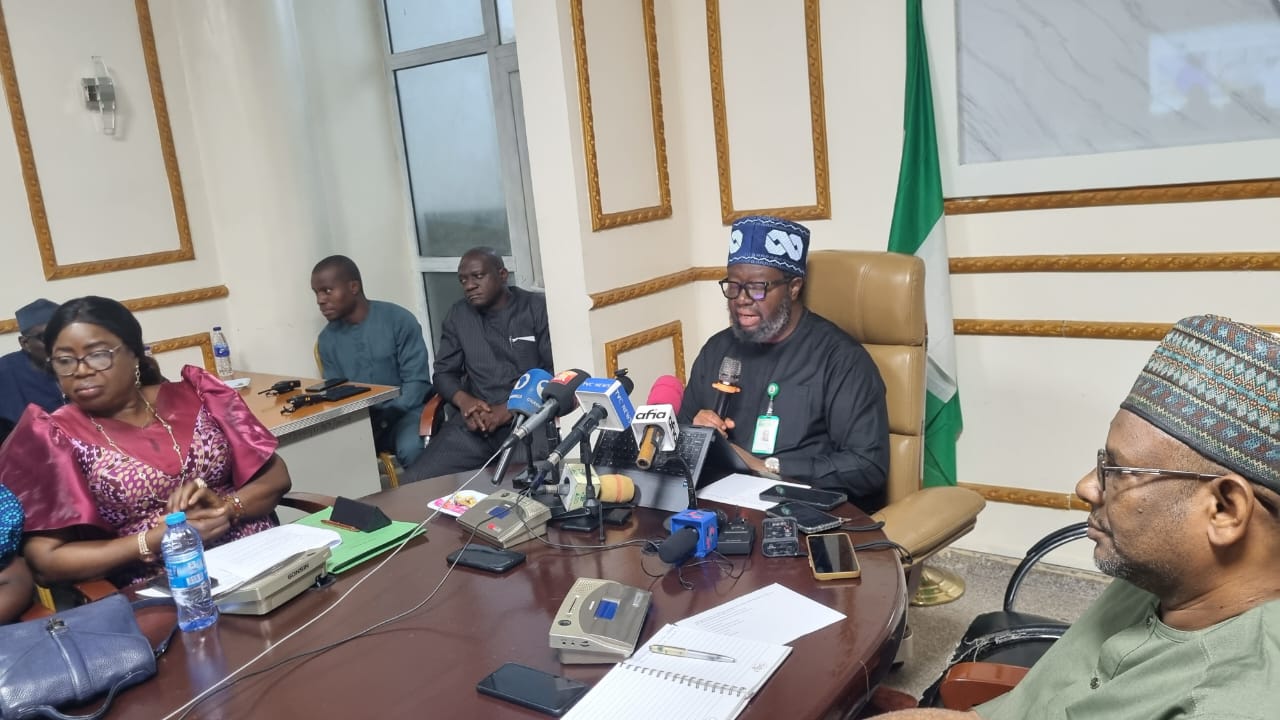
Speaking at a press conference ahead of the summit on Tuesday in Abuja, the Director-General and Chief Executive Officer of RMRDC, Prof. Nnanyelugo Martin Ike-Muonso, said the event would bring together policymakers, investors, researchers, technology providers and industrialists to develop practical strategies for transforming Africa’s abundant natural resources into industrial wealth.
The challenge, therefore, is not simply the abundance of resources, but the continent’s ability to transform those resources into industrial value, employment, technology and wealth within Africa.
Nigeria alone, according to the RMRDC, has more than $582.4 billion in documented non-renewable natural resources, while the wider continent possesses substantial deposits of critical minerals, agricultural raw materials and industrial feedstock.
Yet, the benefits of this resource endowment have often been constrained by inadequate processing capacity, weak infrastructure, limited technology, financing gaps and fragmented regional value chains.
From Dialogue to Industrial Action
ARMS 2026 builds on the maiden edition held in May 2025, which attracted more than 1,000 delegates from across the world.
The inaugural summit also witnessed the unveiling of the Ten-Year Raw Materials Transformation Roadmap (2025–2034) by the Minister of State for Industry, Senator John Owen Enoh.
The roadmap was designed around areas including technological capability, climate-resilient processing and backward integration, establishing a policy framework for greater domestic utilisation of Africa’s raw materials.
The second edition is expected to move the conversation further by bringing policy, capital, technology and industrial stakeholders around practical mechanisms for turning raw materials into locally manufactured products.
One of the major proposals highlighted by the RMRDC is the 30 per cent Mandatory Value Addition Bill, which seeks to establish a statutory minimum level of value addition to Nigerian raw materials before export.
The Council says the proposed framework could support job creation, import substitution, foreign-exchange conservation and increased manufacturing contribution to the economy.
Building the Infrastructure for Value Addition
The industrial transformation envisaged by ARMS 2026 goes beyond legislation.
A major concern is the “missing middle” between where raw materials are produced and where factories are located.
Poor transportation networks, inadequate cold-chain facilities, weak rural roads, limited testing and certification infrastructure and border-related delays can make locally sourced materials more expensive and less competitive.
Consequently, logistics and infrastructure constitute one of the five principal pillars of the summit.
The objective is to develop more reliable corridors connecting farms and mines with processing centres and manufacturing facilities, thereby reducing losses and improving the movement of industrial inputs.
The Digital Dimension
Technology is also becoming an important part of the Council’s strategy.
The RMRDC says it has developed the Nigeria Integrated Information Statistical System for Raw Materials and Products (NISSRAMP), described as a digital repository containing information on feedstock deposits, specifications, production outputs and industrial absorption rates.
The Council has also highlighted its transition towards paperless operations and its certification as a Data Controller/Processor of Major Importance by the Nigeria Data Protection Commission.
Such digital infrastructure could provide investors and manufacturers with better information about the availability and characteristics of raw materials while supporting more informed industrial planning.
Turning Waste Into Industrial Inputs
Another major component of ARMS 2026 is the proposed expansion of the circular economy.
The summit will examine how agricultural by-products, mine tailings, scrap metals and biomass can be recovered and reused as inputs for new production processes rather than being treated simply as waste.
The RMRDC argues that such an approach could lower raw-material costs while supporting more sustainable and climate-resilient manufacturing systems.
For Africa, where industrial expansion must increasingly balance economic development with environmental considerations, waste industrialisation could become an important part of the continent’s manufacturing conversation.
From National Production to African Value Chains
The African Continental Free Trade Area is another important element of the summit’s agenda.
The RMRDC sees AfCFTA as an opportunity to create regional value chains in which raw materials sourced in one African country can be processed and supplied to manufacturers in another.
Under such a model, Africa would move beyond simply exporting commodities to external markets and develop stronger internal networks for supplying chemicals, refined minerals, agricultural inputs and other industrial materials across national borders.
This approach places regional integration at the heart of Africa’s industrialisation strategy.
Bridging Research and Capital
A recurring weakness in many developing economies is the gap between research and commercialisation.
Innovations may emerge from universities, research institutions and laboratories without receiving the financing, equipment or market connections required to become commercially viable.
ARMS 2026 intends to address that gap through technology commercialisation and capital linkages, connecting research outputs with investors, development finance institutions and industrial off-takers.
The RMRDC has also cited partnerships with the Bank of Industry for commercial-scale post-harvest processing and a South-South technology-transfer partnership with the National Innovation Centre par Excellence in Shanghai, China.
A Larger Industrial Conversation
The scale of ARMS 2026 is expected to be significantly larger than the maiden edition.
The organisers project more than 1,800 delegates from all 54 African countries and global industrial partners.
The programme will feature high-level policy dialogues, technical panels, an advanced raw materials and technology exhibition, industrial site visits and the African Raw Materials Industry Awards.
The exhibition, in particular, is expected to showcase locally fabricated processing machinery, advanced domestic materials, green chemicals and engineered commercial inputs.
Beyond the speeches and exhibitions, however, the real significance of ARMS 2026 will ultimately depend on what happens after the summit.
Africa’s challenge has never been a shortage of raw materials. The more difficult question has been how to transform those resources into factories, products, skilled employment, technology and sustainable economic opportunities.
For Nigeria and the rest of the continent, the proposed shift from “pit-to-port” to “feedstock-to-factory” therefore represents a broader debate about the future structure of African economies.
ARMS 2026 seeks to place that debate firmly on the industrial agenda — with value addition, technology, finance, infrastructure, circular production and regional trade at the centre.
If the commitments and partnerships generated by the summit translate into measurable industrial activity, the event could provide another platform for Africa to examine how its enormous resource base can support stronger domestic manufacturing.
The message from the organisers is clear: the continent’s raw materials should not only leave African soil as commodities; they should increasingly become the foundation for African industrial production
-
 Featured7 years ago
Lampard Names New Chelsea Manager
-
 Featured6 years ago
FG To Extends Lockdown In FCT, Lagos Ogun states For 7days
-
 Featured7 years ago
Children Custody: Court Adjourns Mike Ezuruonye, Wife’s Case To April 7
-
 Featured7 years ago
NYSC Dismisses Report Of DG’s Plan To Islamize Benue Orientation Camp
-

 Featured5 years ago
Transfer Saga: How Mikel Obi Refused to compensate me After I Linked Him Worth $4m Deal In Kuwait SC – Okafor
-
Featured7 years ago
Board urges FG to establish one-stop rehabilitation centres in 6 geopolitical zones
-
Sports4 years ago
TINUBU LAMBAST DELE MOMODU
-

 News2 years ago
Zulu to Super Eagles B team, President Tinubu is happy with you