
Creative Industry
Naija Flavour Destination: Nurturing MSMEs, Local Talent and Creative Innovation
By Joel Ajayi
The Naija Flavour Destination 2025 edition, held on December 13 at the scenic Monoliza Park in Abuja, powerfully underscored Nigeria’s regional diversity while reinforcing the country’s growing status as a hub for culture-led tourism and creative enterprise.
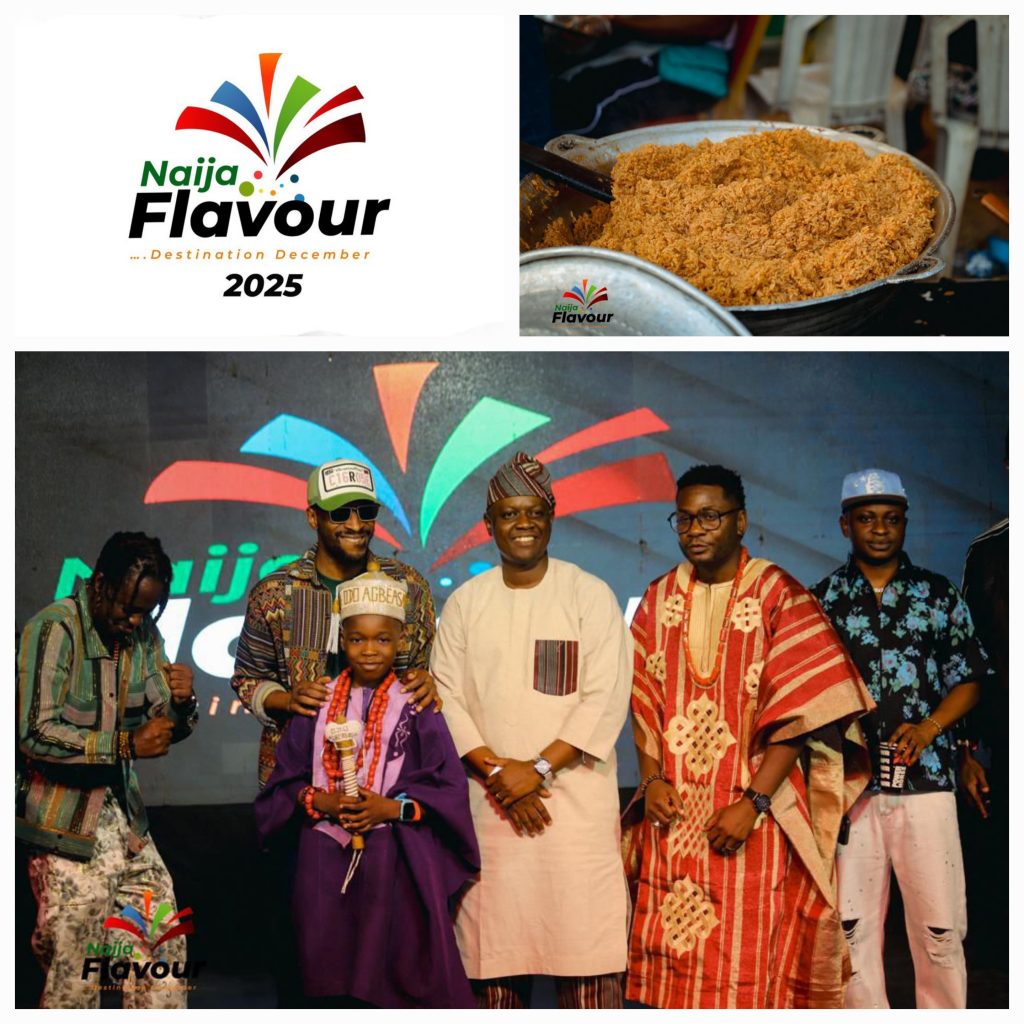
More than a festival, Naija Flavour 2025 emerged as a dynamic ecosystem that brought together creatives, MSMEs, entrepreneurs, cultural custodians and tourism stakeholders from across Nigeria’s six geo-political zones.
Each region was reflected through food, fashion, music, dance and artistic expressions that showcased the richness and uniqueness of Nigeria’s cultural identities.
From the moment guests arrived, the atmosphere celebrated regional pride and national unity. Electrifying music performances, captivating dances, vibrant fashion displays and a rich spread of indigenous cuisines created a sensory journey across Nigeria’s cultural landscape.
The experience highlighted how regional flavours and traditions can be transformed into viable creative and tourism products.
Throughout the evening, the festival served as a networking and collaboration platform, enabling local businesses, artisans and emerging creatives to connect with investors, policymakers and cultural enthusiasts. This interaction reinforced Naija Flavour’s role in nurturing MSMEs, amplifying grassroots talent and opening doors to new economic opportunities across regions.
Abuja’s role as host city once again reflected its position as a cultural melting pot—bringing together traditions from the North, South, East and West into a shared national narrative that celebrates diversity while promoting cohesion.Naija Flavour, a flagship initiative of the Nigerian Tourism Development Authority (NTDA), is strategically designed to tell Nigeria’s story in its entirety.
The brand encapsulates food, fashion, arts and crafts, dance, festivals, music, live theatre, games and immersive tourism experiences—each rooted in regional heritage but unified under a national creative vision.
Speaking at the event, the Director General of NTDA, Mr. Olayiwola Awakan, described Naija Flavour 2025 as both a cultural celebration and an economic platform that positions Nigeria as a leading destination for culture-driven tourism and the creative economy.
According to him, the festival has evolved into one of Nigeria’s most vibrant showcases of regional diversity, culinary excellence, artistic innovation and youth-driven creativity.
He noted that the initiative aligns with President Bola Ahmed Tinubu’s Renewed Hope Agenda, particularly in job creation, youth empowerment and wealth generation at the community and regional levels.
Mr. Awakan emphasized that Nigeria’s true wealth lies in its people—their talents, stories, flavours and resilience. By presenting Nigeria as an experience rather than a concept, Naija Flavour projects the country as colourful, welcoming, proudly African and rich in creative possibilities across all regions.
He further stressed that festivals like Naija Flavour play a critical role in strengthening Nigeria’s tourism brand, stimulating regional economies, attracting investment and creating sustainable jobs. Beyond entertainment, the platform functions as a creative ecosystem that supports MSMEs, promotes cultural entrepreneurship and drives innovation.
Highlighting global trends, NTDA observed that tourism is increasingly culture-led and experience-driven, noting that Nigeria must strategically leverage its regional assets to compete globally. Naija Flavour, the Authority said, represents a bold and timely step in that direction.
Commending partners and stakeholders, the NTDA DG praised the festival for giving visibility to culinary artisans, designers, performers and creative entrepreneurs from different regions, while fostering unity through shared cultural expressions.
NTDA also disclosed that Naija Flavour is not a one-off event, but a travelling cultural experience set to tour the six geo-political zones of Nigeria. Each regional edition will spotlight local identities, flavours, creative strengths and tourism advantages, further decentralising opportunities and impact.
Reaffirming its commitment, Mr. Awakan pledged continued support for cultural platforms, stronger public-private partnerships, enabling policies for creative entrepreneurs and the use of digital innovation to project Nigeria’s tourism brand globally.
As the sights, sounds and flavours of Naija Flavour 2025 captivated Abuja, NTDA called on regional stakeholders to continue investing in festivals, destinations, storytellers and cultural custodians. Every dish, rhythm, colour and performance, the Authority noted, forms part of a broader national story—one rooted in unity, creativity, resilience and limitless regional potential.
Naija Flavour Destination 2025, NTDA concluded, is not just a festival, but a bold regional and national statement—showcasing a new Nigeria confidently presenting its diverse cultural economy to the world.



Creative Industry
FG Backs MyCityApp Launch of 100-Day Tourism Calendar to Drive $100bn Economic Growth
Joel Ajayi
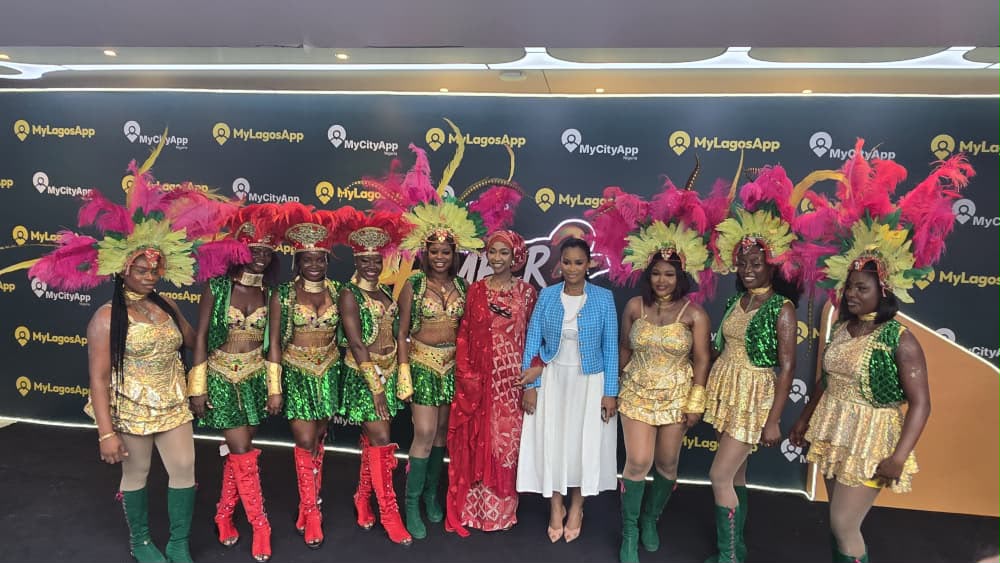
The Federal Government has thrown its weight behind the launch of MyCityApp, a Nigerian city discovery and tourism platform designed to aggregate festivals, concerts, cultural events and lifestyle experiences into a single digital calendar.
The platform, which flags off the 100-Day Tourism Calendar, was unveiled on Monday at the Ember2Remember National Stakeholders’ Conference in Victoria Island, Lagos, with the initiative targeting Nigeria’s estimated $100 billion tourism and creative economy opportunity.
In a statement issued on Tuesday in Abuja by the Media and Publicity Adviser to the Minister of Art, Culture, Tourism and the Creative Economy, Nneka Ikem Anibeze, the ministry said the conference was aimed at mobilising public and private stakeholders to transform the September-to-December festive period into jobs, investment and economic growth.
Speaking at the unveiling, the Minister, Hannatu Musa Musawa, said millions of visitors travel across Nigeria every year to celebrate, reconnect and experience the country’s diverse culture, stressing that the festive season could be deliberately organised and monetised to strengthen tourism’s contribution to the economy.
“This initiative is about moving beyond the traditional concept of a festive season. It is about deliberately organising, packaging, promoting, and monetising one of the most economically active periods in our national calendar,” Musawa said.
She noted that every visitor generates economic activity across several sectors, including aviation, transportation, hospitality, restaurants, entertainment, retail, technology, artisans and local communities.
The Minister commended MyCityApp Chief Executive Officer, Mrs Ifeoma Chukwu, for her vision and commitment to the initiative.
She urged state governments, event organisers, tourism operators, hospitality businesses and other stakeholders to list their festivals, concerts, exhibitions, food experiences, cultural celebrations, fashion and sporting events on the national calendar.
Musawa said the platform would enable Nigerians, members of the diaspora and international visitors to discover tourism and entertainment experiences across the country from a single, credible source.
Earlier, Chukwu said Nigeria’s rich cultural heritage and creative sector provided enormous opportunities for tourism-driven economic growth.
She cited the contributions of tourism to the economies of countries such as Spain, France and the United States, arguing that Nigeria could equally build a $100 billion tourism economy.
Also present were Lagos State Commissioner for Tourism, Arts and Culture, Toke Benson-Awoyinka; Enugu State Commissioner for Culture and Tourism, Ugochi Madueke; NCAC Director-General, Obi Asika; National Gallery of Art Director-General, Ahmed Sodangi; ARCON Director-General, Dr Olalekan Fadolapo; and MTN Nigeria CEO, Dr Karl Toriola.
MyLagosApp and MyCityApp will serve as the digital engines of the calendar, distributing events through a 360-degree media ecosystem to audiences in Nigeria and the diaspora.
Stakeholders were encouraged to upload their events on MyCityApp to participate in the national tourism calendar urging them to upload events on http://www.MyCityApp.io.
-
 Featured7 years ago
Lampard Names New Chelsea Manager
-
 Featured6 years ago
FG To Extends Lockdown In FCT, Lagos Ogun states For 7days
-
 Featured7 years ago
Children Custody: Court Adjourns Mike Ezuruonye, Wife’s Case To April 7
-
 Featured7 years ago
NYSC Dismisses Report Of DG’s Plan To Islamize Benue Orientation Camp
-

 Featured5 years ago
Transfer Saga: How Mikel Obi Refused to compensate me After I Linked Him Worth $4m Deal In Kuwait SC – Okafor
-
Featured7 years ago
Board urges FG to establish one-stop rehabilitation centres in 6 geopolitical zones
-
Sports4 years ago
TINUBU LAMBAST DELE MOMODU
-

 News2 years ago
Zulu to Super Eagles B team, President Tinubu is happy with you













