
Creative Industry
Abuja 2026 Afrocentric Expo to Position Nigeria as Global Cultural Hub — Convener
Uche U. Hilary
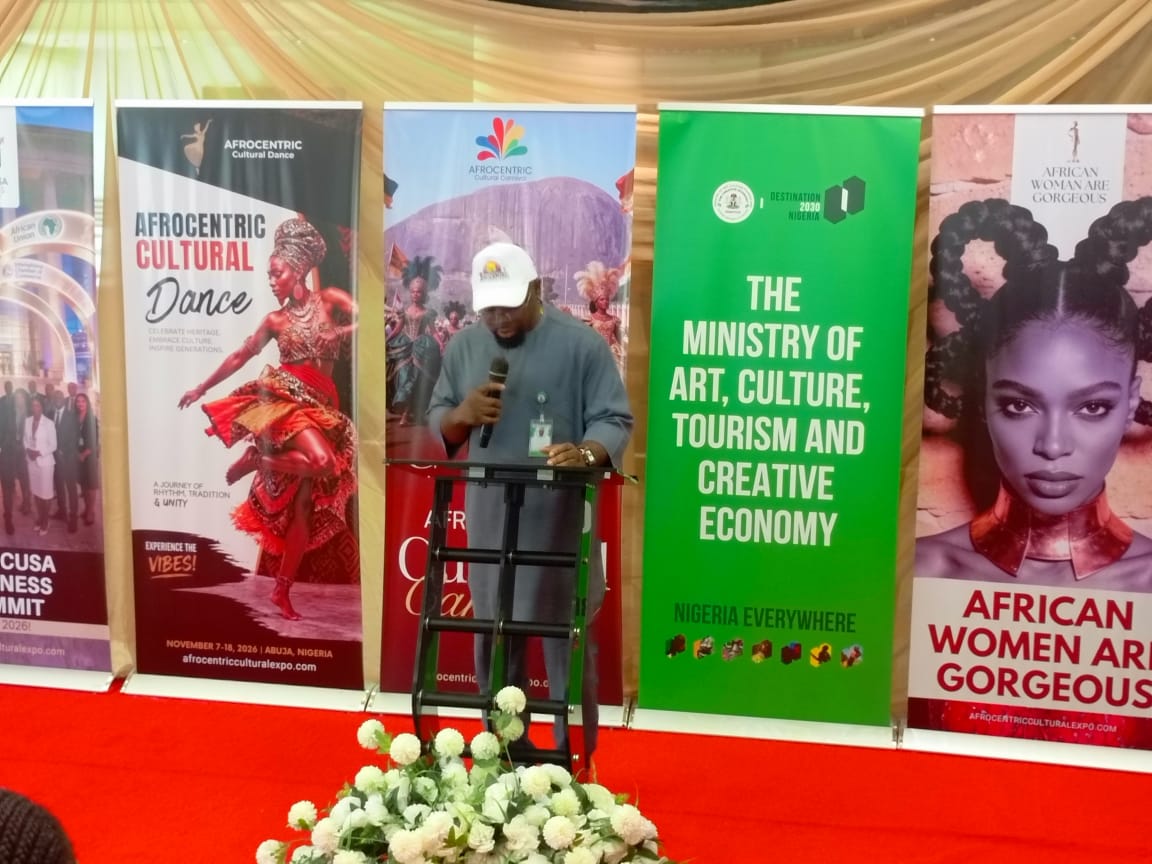
The Convener of the Afrocentric Cultural Expo and Founder Nigeria chamber of Commerce USA, Gregory Uche, has said the 2026 edition of the 12-signature-event cultural platform is designed to position Nigeria as a leading global authority in African culture while creating a Pan-African platform for showcasing the continent’s creativity, heritage and economic potential.
Uche disclosed this on Friday in Abuja at the unveiling of the 2026 Afrocentric Cultural Expo, scheduled to hold from November 7 to 18 at the Moshood Abiola National Stadium Complex, Abuja.
He said the idea for the expo was conceived about eight years ago in Los Angeles, United States, and was initially inspired by the Coachella festival, with the vision of creating a major platform where Africans could converge to celebrate their culture, creativity and enterprise.
According to him, the project was eventually brought to Nigeria last year after earlier efforts to develop it had stalled.
Uche stressed that the expo was not designed for Nigeria alone but for the entire African continent, with the long-term ambition of developing it into one of the world’s biggest cultural platforms.
He, however, cautioned against making direct comparisons with the historic FESTAC ’77 until the necessary institutional alignments and collaborations had been established across Nigeria and Africa.
The convener said the 2026 edition would feature 12 events taking place concurrently at the Moshood Abiola National Stadium Complex, covering music, fashion, cultural dance, intellectual discourse, heritage, food, film, health and business, among other areas.
“We want to establish Nigeria as the leading cultural authority globally,” Uche said, stressing that the country had the creative depth and influence to provide leadership for Africa’s cultural renaissance.
He pointed to the international success of Nigerian musicians, artistes and other creatives as evidence of the country’s growing cultural influence globally.
Uche disclosed that more than 300 artistes had already signed up for the Afrocentric Music Festival, which he described as a platform for discovering and promoting emerging talents.
He said the festival would not only celebrate established artistes but also create opportunities for young and upcoming performers to develop their careers and gain wider exposure.
On fashion, Uche said the expo would focus on the entire value chain rather than merely showcasing clothing, noting that the industry encompassed cotton production, textile manufacturing, weaving, distribution and retail.
He said the expo would therefore provide an opportunity to draw attention to Nigeria’s textile potential and contribute to the development of the sector.
Another major component of the event, he said, would be the “African Women Are Gorgeous” programme, designed to celebrate African women while highlighting their intellectual contributions and achievements in economics, politics, business and academia.
Uche said the programme would bring together accomplished women from Nigeria and other African countries, combining cultural celebration with recognition of female excellence.
He also listed Afrocentric Cultural Dance among the key events, saying it would showcase the richness and diversity of African traditions while helping to preserve and promote the continent’s cultural identity.
The Afrocentric Intellectual Debate, he explained, would focus on African education and provide a platform for universities, students and academics across the continent to showcase their capabilities.
He said the initiative would also encourage Nigerians seeking education abroad to consider quality institutions within Africa.
The expo will also feature the African Heritage Awards to honour traditional rulers and custodians of African heritage, alongside a food expo designed to showcase African cuisine to a global audience.
According to Uche, the film festival would provide an avenue for graduate students from film institutions in Nigeria and across Africa to showcase their productions.
Other components include a health fair and a business summit, which he described as central to connecting the various creative and commercial activities under the expo.
Uche reiterated that the project was fundamentally Pan-African, saying Nigeria would host the inaugural edition while the organisers planned to expand the initiative to other parts of Africa.
He stressed that the scale and ambition of the project required collaboration and support from governments, institutions, businesses and other stakeholders across the continent.
The convener expressed confidence that, with the necessary partnerships, the Afrocentric Cultural Expo would strengthen Nigeria’s position as a cultural hub while opening new opportunities for African creatives, entrepreneurs and young people.
Expo to Inject $250m Into Local Economy — Musawa
Also speaking at the press conference held at City Gate, Abuja, the Minister of Art, Culture, Tourism and the Creative Economy, Hannatu Musa Musawa, who was represented by the Head of Job Creation, Jemma Amichree Broad, said the inaugural Afrocentric Cultural Expo was projected to inject more than $250 million into Nigeria’s local economy.
She said the initiative was part of efforts to position Nigeria as a global hub for African culture, creativity, tourism and investment.
According to the minister, the expo would go beyond a conventional cultural festival by creating a major economic platform capable of connecting Africa’s creative industries with global markets.
She disclosed that more than 1,000 exhibition booths would be available for vendors and large-scale enterprises, while the event would bring together music, film, fashion, food, heritage, intellectual engagement, sports, health and business activities.
Musawa described the Afrocentric Cultural Expo as “not merely a festival” but a major economic activation aimed at transforming Africa’s cultural wealth into tangible opportunities for jobs, investment, innovation and sustainable development.
She said the expo would provide African creative talents with access to markets commensurate with their potential while giving Nigeria’s tourism destinations greater international visibility.
The minister noted that for decades, African art, fashion, music and culinary creativity had made significant contributions to the global cultural landscape, but the economic benefits had often failed to reach the creators themselves.
She said the expo represented an opportunity for Africa to reclaim its narrative, strengthen its creative economy and derive greater economic value from its cultural assets.



Creative Industry
CAFA Targets $500bn Fashion Economy At Canex Wknd 2026
Joel Ajayi
The Confederation of African Fashion (CAFA) will present its roadmap to grow Africa’s fashion economy from an estimated $30 billion to $500 billion at CANEX WKND 2026 in Lagos.
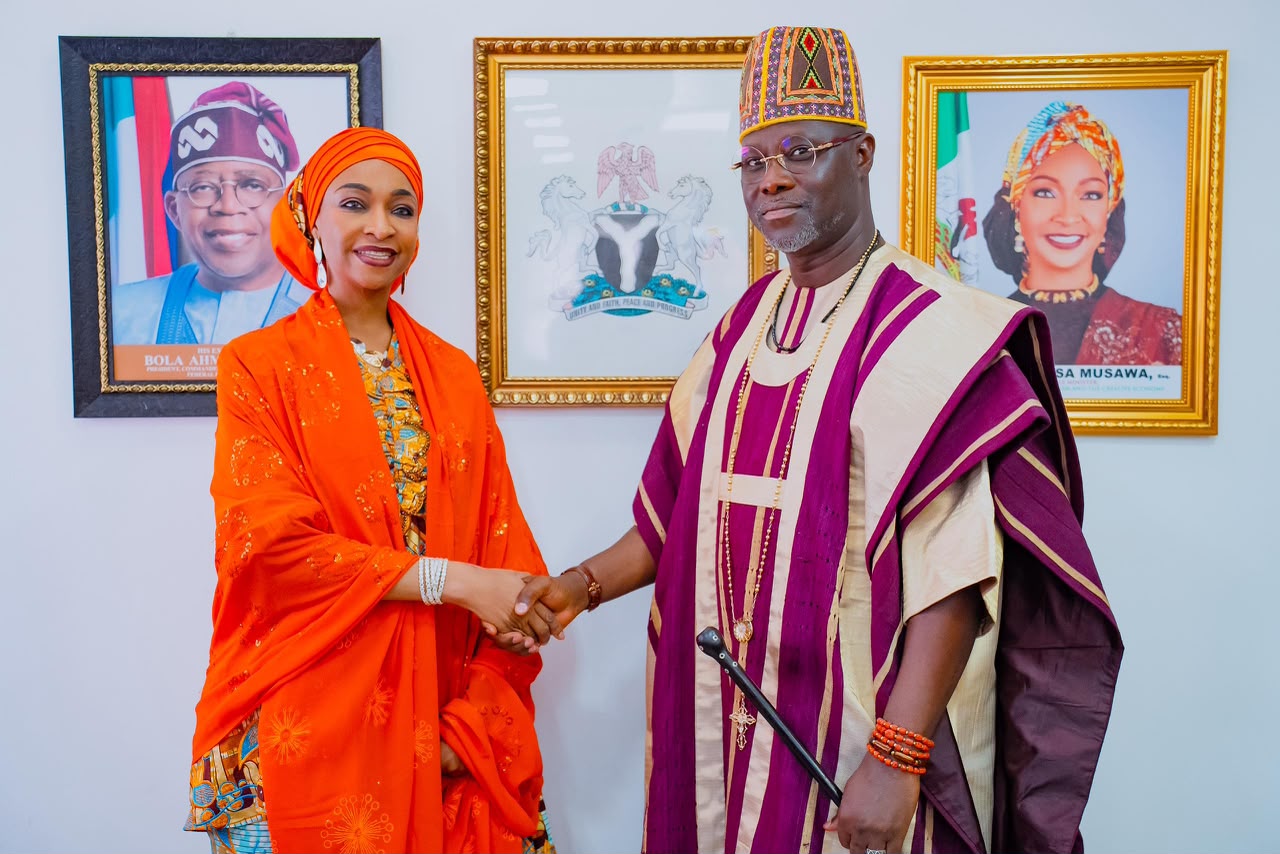
Marking its first anniversary on November 5, CAFA will unveil a joint stand with the Federal Ministry of Art, Culture, Tourism and the Creative Economy at the Wole Soyinka Centre for Culture and the Creative Arts, formerly the National Arts Theatre, on November 5, 2026.
CAFA President, Aare (Prof.) Lai Labode, said the institution works with African governments to align sourcing, production, trade and intellectual property policies, ensuring African creativity generates greater value for African businesses and communities.
Nigeria became the first country to sign the African Fashion Industry Growth Charter on November 5, 2025, when the Honourable Minister Barr. Hannatu Musa Musawa signed on behalf of the Federal Government.
Speaking ahead of the unveiling, Minister Musawa said: “Afroliganza seeks to build a structured, values-driven fashion economy rooted in African heritage, led by African institutions, and positioned for global impact.”
On employment potential, the minister emphasized that Investment in fashion will create millions of jobs, particularly for women and youth.
Registered in Rwanda, with an office in Kigali and a desk at the Federal Ministry of Arts, Culture, Tourism and the Creative Economy, CAFA is also working with Nigeria’s Ministry of Foreign Affairs towards African Union adoption of the Charter. Rwanda is progressing towards becoming its second participating country and the first in East Africa.
Its first year saw fifty nations gather at the Egbaliganza-Lisabi Festival in Abeokuta and a signed MoU with Türkiye’s ASRIAD.
CAFA’s programmes promote processing African raw materials into finished apparel locally. ‘Own What We Create’ addresses intellectual property protection, while the CAFA Certified Seal and CAFA Heritage Mark support standards and authenticity. African Global Fashion Houses are currently being established across international markets.
The African Global Fashion Games will debut in Nigeria in 2028, bringing designers together under national colours. Held every three years, the Games will alternate between African and international hosts, combining competition with investor meetings, deal signings and policy discussions. Its Instant Craft event gives competing nations identical materials and a fixed clock, placing skill at the centre of the contest.
CAFA is inviting creatives, fashion designers, artisans, diplomats, economists, investors and policymakers to its CANEX stand. Visitors can explore the roadmap, ask questions and identify opportunities to contribute through design, manufacturing, investment, research, trade and international partnerships. The stand will be open daily from November 5 to 8.
CAFA calls on the African Union to adopt the Charter, and governments to sign the Games Register and form national teams.
“Fashion has always told the world who Africa is. Now Africa will decide what fashion pays,” Aare Prof. Lai Labode said.
-
 Featured7 years ago
Lampard Names New Chelsea Manager
-
 Featured7 years ago
FG To Extends Lockdown In FCT, Lagos Ogun states For 7days
-
 Featured7 years ago
Children Custody: Court Adjourns Mike Ezuruonye, Wife’s Case To April 7
-
 Featured7 years ago
NYSC Dismisses Report Of DG’s Plan To Islamize Benue Orientation Camp
-

 Featured5 years ago
Transfer Saga: How Mikel Obi Refused to compensate me After I Linked Him Worth $4m Deal In Kuwait SC – Okafor
-
Featured7 years ago
Board urges FG to establish one-stop rehabilitation centres in 6 geopolitical zones
-
Sports4 years ago
TINUBU LAMBAST DELE MOMODU
-

 News2 years ago
Zulu to Super Eagles B team, President Tinubu is happy with you













