
Featured
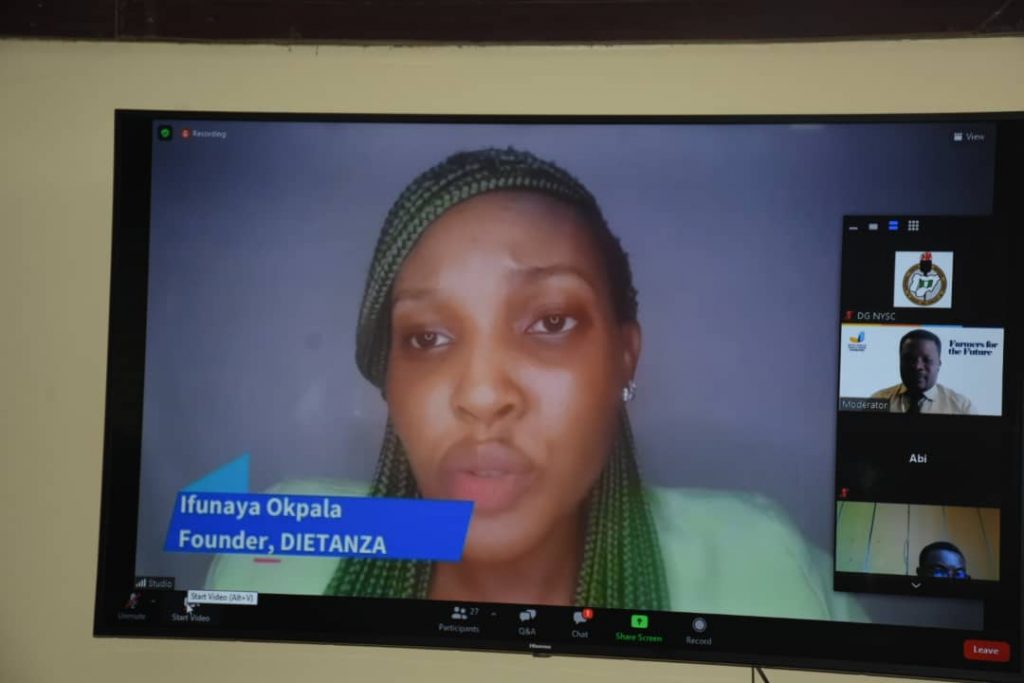
BATNF/NYSC Top Prize Winners Emerge

Joel Ajayi
Four Corps Members emerged overall winners of Farmers For the Future Grant Competition sponsored by the British American Tobacco Nigeria Foundation (BATNF).
The winners who went away with a total sum of Six Million, Five Hundred Thousand Naira cash prizes were among the ten (10) finalists earlier selected out of over 20, 000 entrants for the competition.
The keenly contested grand finale showcased the skills of young agro-entrepreneurs in the ground-breaking initiative NYSC/BATNF partnership.
The competition essentially aims at promoting agro-entrepreneurial training, where Corps Members who emerge victorious from the competitive process, undergo training and mentoring in big farm establiments and are empowered with money, land, agricultural inputs and services.
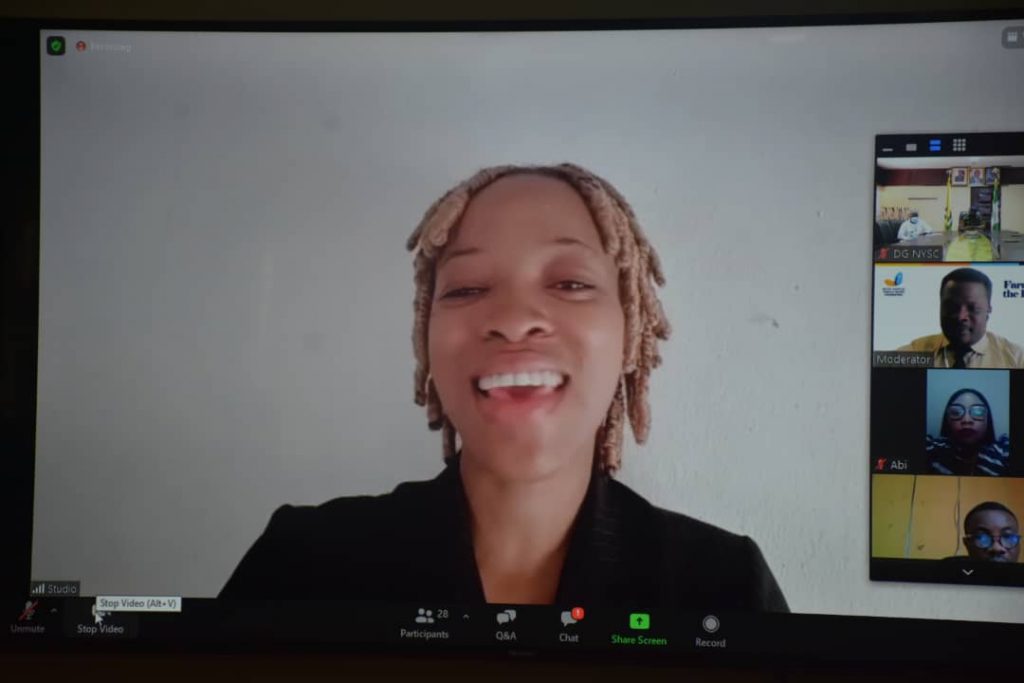
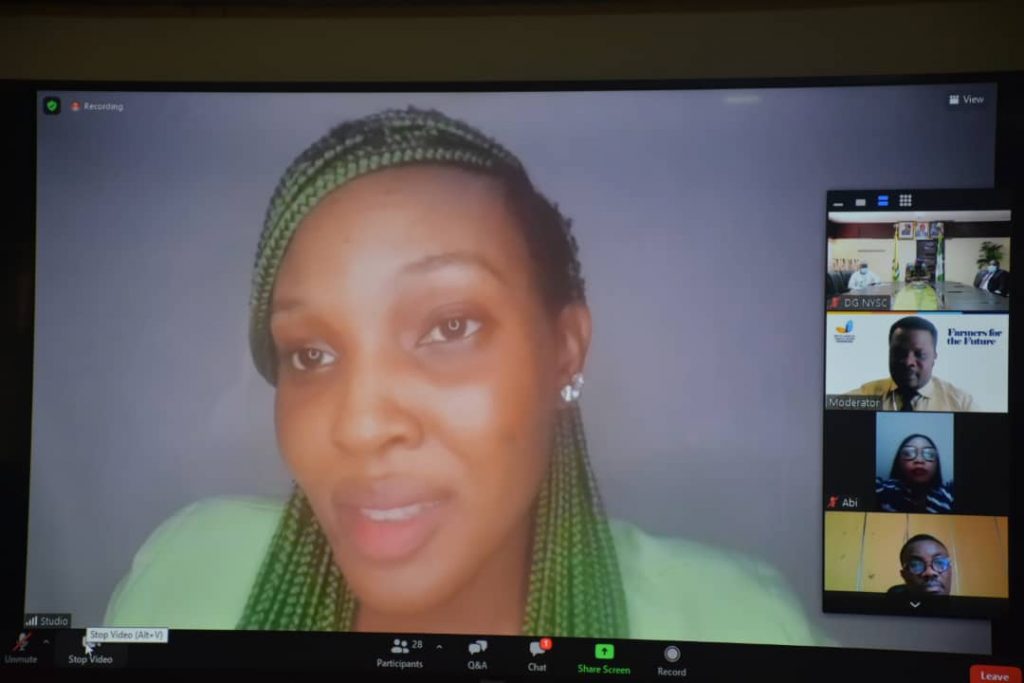
According to the Executive Director, British American Tobacco Nigeria Foundation (BATNF), Ms Abimbola Okoya, the exercise is expected to encourage self-employment through agro-allied ventures.
She stated further that BATNF has contributed immensely to Nigeria’s sustainable development agenda, especially in the area of poverty reduction and improvement in the quality of life of Nigerians living in the rural areas.
She stated that as a participant in the Scheme, the Corps had prepared her adequately for the role she is playing today in the Foundation.
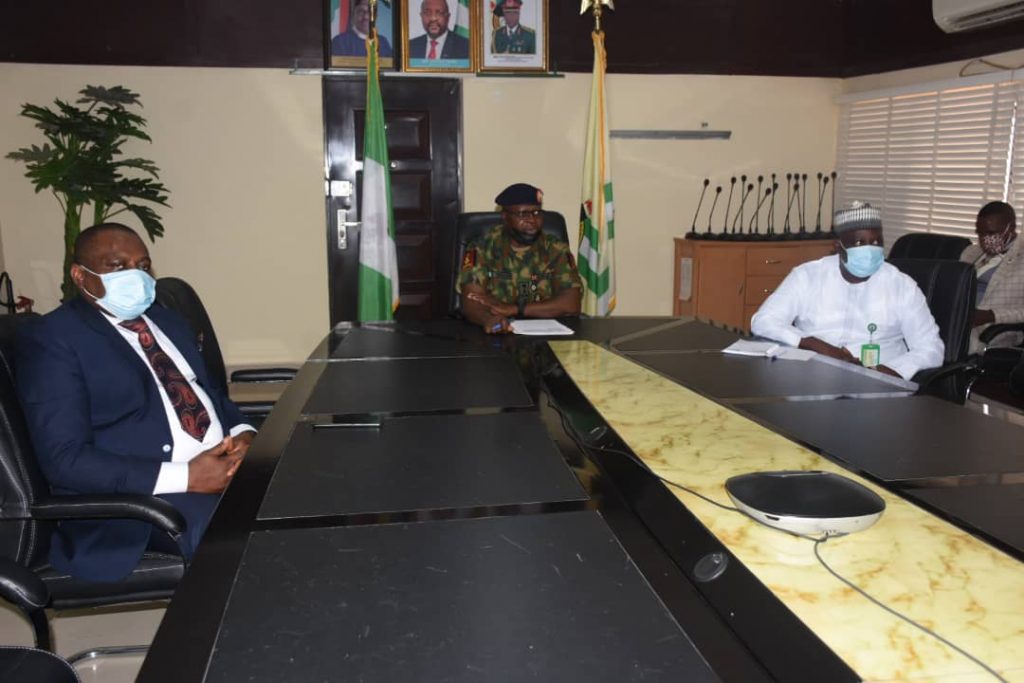
In his keynote address at the virtual Pitch Ceremony, the NYSC Director General, Brigadier General Shuaibu Ibrahim acknowledged the relevance of the initiative by BATNF which inspires youth- productivity and self employment, through agriculture.
He pledged the commitment of the NYSC to collaborate and nurture the initiative to optimal growth and sustainability.
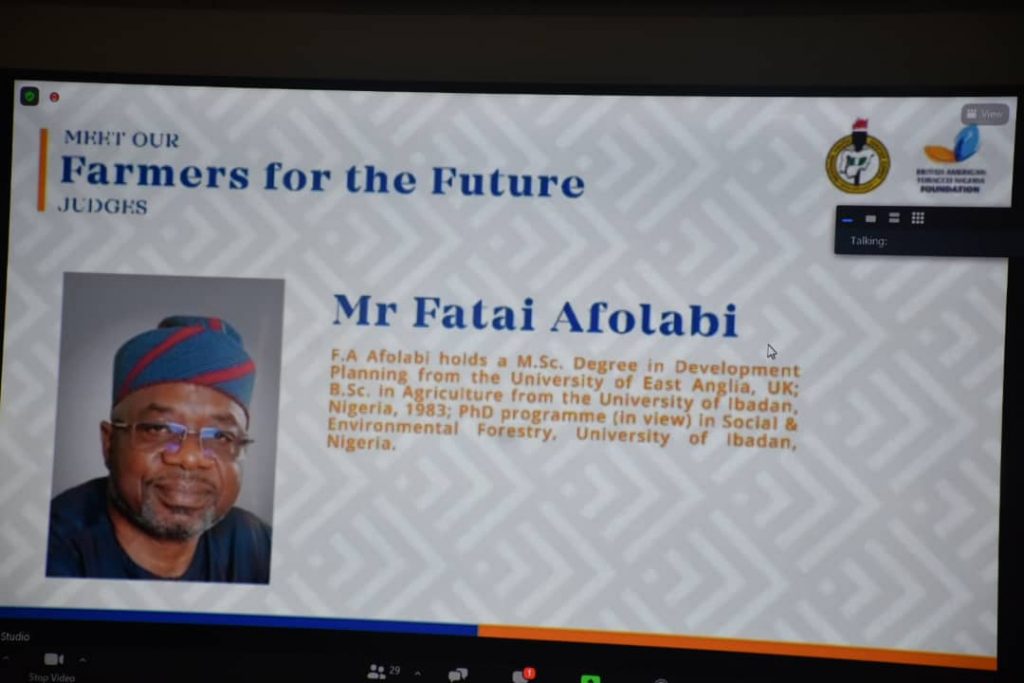
Highpoint of the occasion was the presentation of Three Million Naira to the overall winner of the competition; Chiamaka Mary Ikechukwu promoter of NuceoAgro Services, and Two Million Naira to Augustine Nwafor – Custonus Automative who emerged 2nd Position in contest. Juwon Ibitomi went away with One Million Naira as 3rd place cash prize, while John Eduga who emerged 4th Position won the Special Award category sponsored by Mr. Steve Okeleji; one of the five (5) Judges of the competition. He went home with the sum of Five Hundred Thousand Naira.




Featured
50 Years After The Firsts; Has Ogun Prepared The Next?
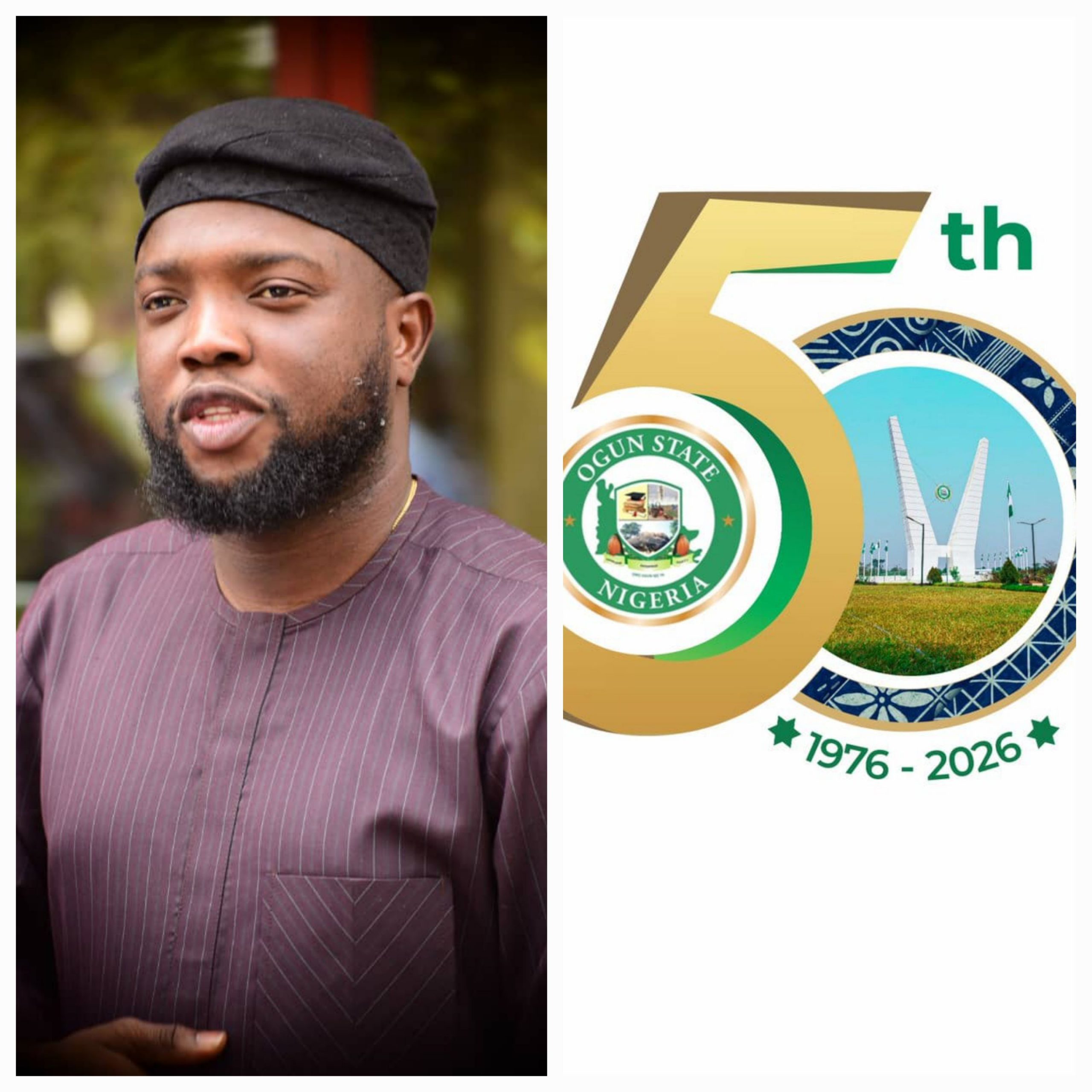
History Is Not a Development Plan
By Abiola Odetola
There is a kind of love that claps. And there is a kind of love that tells the truth. As Ogun State turns 50, it would be easy, maybe also expected to write the familiar tribute, the great names we produced, the firsts we claimed, the achievements we once wore like a crown, or probably eulogize the current governor and government for its many achievements.
However, Ogun is a state of immense pedigree in Nigeria’s modern story, a place that has repeatedly supplied the country with its thinkers, reformers, builders, and dreamers.
Ogun did not merely participate in Nigeria’s story, it helped write it. But anniversaries are not only for applause. They are also for audit.
If Ogun at 50 is only a celebration, then we have learnt nothing. Because a state that is truly serious about its future does not only praise the past, it interrogates the present and prepares the next fifty years with painful honesty.
This is that conversation many don’t want to have openly.
I write not as an observer, but as one whose identity is stitched into the Ogun story by birth, by upbringing, by daily realities, and, to the glory of Eledumare, by work and service. I write with the kind of loyalty that does not end at sentiment. I have read about the strides of our forebears, seen Ogun in its pride, and I have lived its contradictions.
And it is that contradiction that must concern us most today: how can a state with so much history still struggle to translate that inheritance into a consistently rising future?
The danger of Ogun at 50 is not that we will forget our past. The danger is that we will hide inside it.
History should be a foundation, not a hiding place. Legacy should be a launchpad, not a resting mat. A people cannot build tomorrow by endlessly reciting yesterday.
So the harder question must be asked, one that cuts beyond ceremony and nostalgia. Fifty years after the firsts, has Ogun prepared the next?
Ogun’s political history is impossible to tell without invoking towering figures whose ideas reshaped governance, education, federalism, culture, and civic duty in Nigeria. Names like Obafemi Awolowo, Moshood Kashimawo Olawale Abiola, Tai Solarin, Wole Soyinka, Fela Kuti, Olusegun Aremu Obasanjo, Justice Atanda Fatai Williams, and Justice Adetokunbo Ademola did not merely occupy offices or stages; they built ideas that outlived them.
But herein lies our quiet failure: we mastered leadership, but neglected succession.We built icons, but failed to build pipelines. We celebrated brilliance, but did not institutionalise its transfer. We raised legends, but did not systematically prepare replacements.
Political leadership in Ogun has too often become custodial rather than generational, focused on preserving relevance, not preparing successors. The result is a dangerous vacuum where younger people grow up hearing stories of greatness without being handed the tools to recreate it.
So today, we must ask without sentiment and without fear: who is the political leader of Ogun State today in the mould of ideas, not office? Who is thinking about Ogun’s future beyond the next election cycle? Who is grooming the next Awolowo, Solarin, Soyinka, not in personality, but in intellectual rigour and moral courage?
As Ogun marks 50, we also stand at the doorstep of another election season, a moment that will quietly shape not just the next four or eight years, but the next fifty. Yet, the signs are worrying.
The same political warlords, many who have dominated the space for decades and failed the sustainability test from Ijebu to Egba, are sharpening daggers, not to build consensus, but to protect territory. Young professionals, technocrats, reform-minded servants, and emerging leaders are already feeling the weight of suppression, voices muted, ambitions caricatured, innovation treated as insolence.
Personal aspirations have become endless, often at the direct expense of youth inclusion.
This must be said clearly: a generation that will not live in the next fifty years has no moral right to mortgage that future with ego, factional battles, and needless political fracas.
Nature does not tolerate vacuum. Leadership transitions will happen, whether planned or chaotic. The only real question is how prepared the next leaders will be.
Today, many of Ogun’s socio-political and traditional leaders are between the ages of 60 and 90. This is not an insult; it is biology. But wisdom demands something of this reality: intentional transfer of power, knowledge, and responsibility.
Who is engineering young minds towards development rather than desperation? Who is preparing Ogun’s youth for leadership rather than patronage?
One of Ogun’s most painful contradictions is this: our young people are thriving, just not at home.
Across Nigeria and the diaspora, Ogun sons and daughters are holding their own in finance, technology, medicine, law, academia, arts, sports, and entrepreneurship. They are building systems, running companies, shaping policies, and competing globally.
Yet many do not see Ogun as a place where ambition can legally and competitively flourish. Too often, talent is met with suspicion rather than support. New ideas are strangled by old gatekeepers. Young voices are silenced in community and political spaces. Merit is sacrificed on the altar of loyalty. Innovation is treated as rebellion.
We have normalized a culture where young people are told subtly or directly, “wait your turn,” even when the system offers them no real seat at the table.
This culture does not build states. It empties them.
Cultism. Internet fraud. Prostitution. Skill gaps. Hopelessness. These are not moral failures unique to Ogun youth. They are responses to blocked opportunities.
When legitimate pathways are closed, illegitimate ones thrive. When skills are not taught, shortcuts are taken. When voices are suppressed, anger festers.
The real tragedy is this: the same energy that fuels these challenges could power Ogun’s renaissance only if properly channelled.
Youth energy is raw capital. Unrefined, it explodes. Refined, it builds nations.
This is why Ogun must now confront the question it has avoided for too long: where is the Ogun Youth Agenda?
Not youth empowerment as charity. Not youth inclusion as rhetoric. But a deliberate, state-wide youth development framework that treats young people as the primary infrastructure of Ogun’s future.
An Ogun Youth Agenda must be the organising principle of the next ten years, aligning education with skills, industry with apprenticeship, governance with mentorship, and politics with succession. Without this, every other plan will fail, because no state rises above the capacity of its people.
If Ogun is to matter in the next fifty years, youth development cannot be an afterthought. It must be the strategy.
There is a large pool of youth in Ogun State today largely not engaged.
In the long run, Ogun must raise leaders, not just office holders. It must export ideas, not only people. It must become a place where talent can succeed legally, competitively, and sustainably from home. It must position itself not as a feeder state, but as a shaper of Nigeria’s future.
This is not idealism. It is survival.
As we celebrate fifty years, let us ask the question that truly matters: where are the next Awolowo, Mike Adenuga, MKO, Fela, Tai Solarin, Soyinka, Oba Otudeko, Fola Adeola, and many others we all know, not just in name, but in preparation?
More importantly, who is deliberately posturing young Ogun minds for that level of greatness?If the answer is silence, then our celebration is premature.
Ogun’s history is not its destination. It is its responsibility.
Those who built the past deserve honour. But honour does not mean control. At this stage, leadership must be measured not by how long power is held, but by how well it is handed over. Not by how loudly history is invoked, but by how intentionally the future is prepared.
One truth must now guide Ogun beyond 50: history is not a development plan.
Has Ogun prepared the next?
History does not reward inheritance. It rewards stewardship.
The future is already watching.
-
 Featured7 years ago
Lampard Names New Chelsea Manager
-
 Featured6 years ago
FG To Extends Lockdown In FCT, Lagos Ogun states For 7days
-
 Featured6 years ago
Children Custody: Court Adjourns Mike Ezuruonye, Wife’s Case To April 7
-
 Featured7 years ago
NYSC Dismisses Report Of DG’s Plan To Islamize Benue Orientation Camp
-

 Featured4 years ago
Transfer Saga: How Mikel Obi Refused to compensate me After I Linked Him Worth $4m Deal In Kuwait SC – Okafor
-
Sports3 years ago
TINUBU LAMBAST DELE MOMODU
-

 News1 year ago
Zulu to Super Eagles B team, President Tinubu is happy with you
-
Featured6 years ago
Board urges FG to establish one-stop rehabilitation centres in 6 geopolitical zones