
Featured
CGTN Think Tank publishes third online survey
As the world’s biggest economy, the United States has best-in-the-world medical technology and know-how. But how has the country performed in the fight against COVID-19? About 81.7 percent of global poll respondents believe it has failed.
CGTN Think Tank launched the third online survey on the pandemic. The poll was conducted in English, Spanish, French, Arabic and Russian on platforms such as YouTube, Twitter, Facebook and VK. It was opened on August 10 and lasted 48 hours.
In the first question, “Has the U.S. government failed its obligation in the fight against the pandemic?”, 81.7 percent of respondents said “yes.” Many left critical comments on its actions.
Some respondents pointed out that American politicians and parties were busy fighting each other to win an election instead of implementing strong and timely measures to curb the outbreak. They said the bureaucrats’ priorities were wrong and valued economic performance ahead of people’s safety.
“I watched this all play out towards the end of 2019, the beginning of 2020. We were told that the coronavirus wasn’t a big deal and wasn’t anything to worry about, and everyone just ran with it,” said an American respondent.
A comment translated from Spanish said the U.S. fears losing its leadership role in the world so much that it has failed to look after what really matters – the people, who are being forgotten. An Arabic-speaking respondent commented that the capitalist country, controlled by a small group of “elites”, is concerned more about money than people’s health. One comment in French said it’s shameful to see a nation as wealthy as the U.S. invest so little in public health for the underprivileged. Some attributed the reason for the spread in the U.S. to behavioral differences. “The U.S. is too liberal a society to have implemented stricter measures to manage the crisis unlike several other societies in Asia, Africa and other regions,” one comment read. Another English-speaking respondent blamed China, accusing the country of spreading the virus across the world.
In the second question, “Do you think the racial minorities in the U.S. are treated unequally?”, 72.3 percent of global respondents voted “yes.” Arabic-speaking respondents were the group with the strongest reaction. Around 81 percent of them on Twitter and 84 percent on YouTube voted “yes”.
Eighty-two percent of Spanish-speaking and French-speaking respondents on YouTube shared the same view.
One comment translated from Arabic accused the U.S. of being the real enemy of the people. The respondent pointed out that the U.S. political, economic and military systems serve the ugly monster in destroying other countries and murdering their people for its own interests. Some Arabic-speaking and Russian-speaking respondents mentioned that the history of massacring Native Americans is self-explanatory of how badly racial minorities are treated in the U.S.
Multiple studies show the coronavirus pandemic is far deadlier for minority groups in the U.S. According to the latest numbers from the Centers for Disease Control and Prevention, Native Americans are twice more likely to die of the disease than white people. A Guardian report in June also indicated that Black Americans have the highest COVID-19 death rate nationally.
One comment in Spanish said those who brag about prosperity and wealth in the U.S. should also notice the huge gaps between each class. Some people may have everything, it said, but others may not even have access to basic daily necessities. Some Spanish-speaking and English-speaking respondents indicated that racism is rooted deeply in the U.S. and its structures and is much more serious than anywhere else.
About 77.7 percent of respondents answered “yes” when asked whether they agree the U.S. deported tens of thousands of infected people back to their countries, thereby spreading COVID-19, especially in Latin America, a move that the New York Times dubbed “exporting coronavirus.” As much as 85 percent of Spanish-speaking respondents on YouTube shared the same view.
“Focusing too much on politics and too little on human rights. This attitude affected the citizens from inside the U.S. regime borders but also neighboring countries in North, Latin America,” said an English-speaking respondent.
“Not only did they prioritize trying to save the economy over people, they hoarded vaccines so the rest of the world would suffer along with them,” another comment in English read.
Spanish-speaking respondents raised further questions, claiming the U.S. administration might have used the pandemic as a chance to incite “color revolutions”. One comment translated from Spanish said Bolivia’s coronavirus outbreak didn’t happen by coincidence. The respondent recalled an unusual American presence in the country when a coup started by the end of 2019. COVID-19 broke out in regions including Santa Cruz where mutinies started, and soon after, the entire country.
CGTN Think Tank found it has received far more comments from respondents on the third poll than that of the previous two. Discussions among netizens around the world evoked memories and raised awareness, and the discussions were extended into a wider range. Some respondents complained that the U.S. started wars everywhere, which seriously endangered the safety of people in other countries.
A Spanish-speaking respondent claimed to have a family discussion on the Vietnam War and the Korean War and decided they had no liking of the U.S., adding that there are millions who share the same view for the pain and death the country has brought upon the world.
Some said both China and the U.S. should be hold accountable for the pandemic, but one added “China is doing something to at least fix the problem while some of America thinks it is not their problem and it will go away with FREEEEDDDOOOOOMMMM!”
“Today the world is quite unfair, nobody cares what’s going on inside Afghanistan, we stick in a very tough situation where (there) is no one to help us … our wishes are not much to turn possible, same like rest of people in this world we just want to live in a relaxation atmosphere … we deserve the peace more than anyone in the world after many decades of conflicts and misery. WE JUST WANT PEACE,” said one comment in English.
CGTN Think Tank has published results of an online poll in which over 80 percent of respondents agreed with the statement that the U.S. government had failed its obligations in the fight against COVID-19. It was conducted in English, Spanish, French, Arabic and Russian on platforms such as YouTube, Twitter, Facebook and VK. Participants were self-selecting and around 53,000 people took part.



Business
Turning Africa’s Raw Materials Into Wealth: The ARMS 2026 Industrial Agenda
By Joel Ajayi
For decades, Africa’s vast natural resources have powered industries and economies far beyond the continent, while many African countries have remained largely exporters of unprocessed commodities and importers of finished products.
That familiar pattern is now coming under renewed scrutiny as policymakers, researchers, investors and industrialists seek to change the direction of Africa’s resource economy.
At the centre of that conversation is the second edition of the Africa Raw Materials Summit (ARMS 2026), scheduled for October 19 and 20 at the Abuja Continental Hotel, Abuja, under the theme: “From African Feedstock to African Factories.”
Organised by the Raw Materials Research and Development Council (RMRDC), the summit is being positioned as more than another gathering of policymakers and industry stakeholders. It is intended to provide a platform for confronting the structural challenges that have kept African raw materials largely disconnected from local manufacturing.
Africa has for years operated largely within a “pit-to-port” economic model, exporting raw materials while importing expensive finished products.
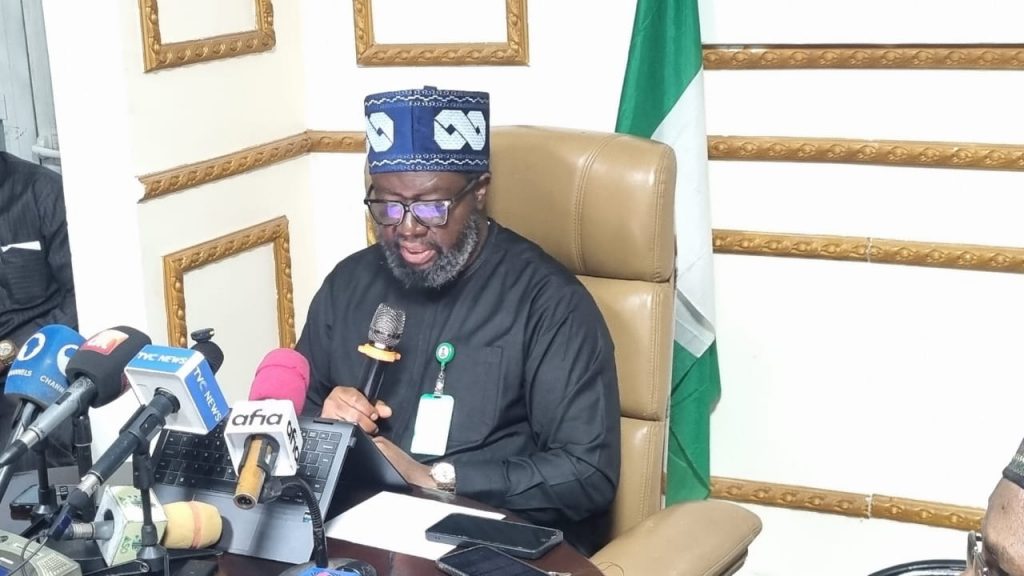
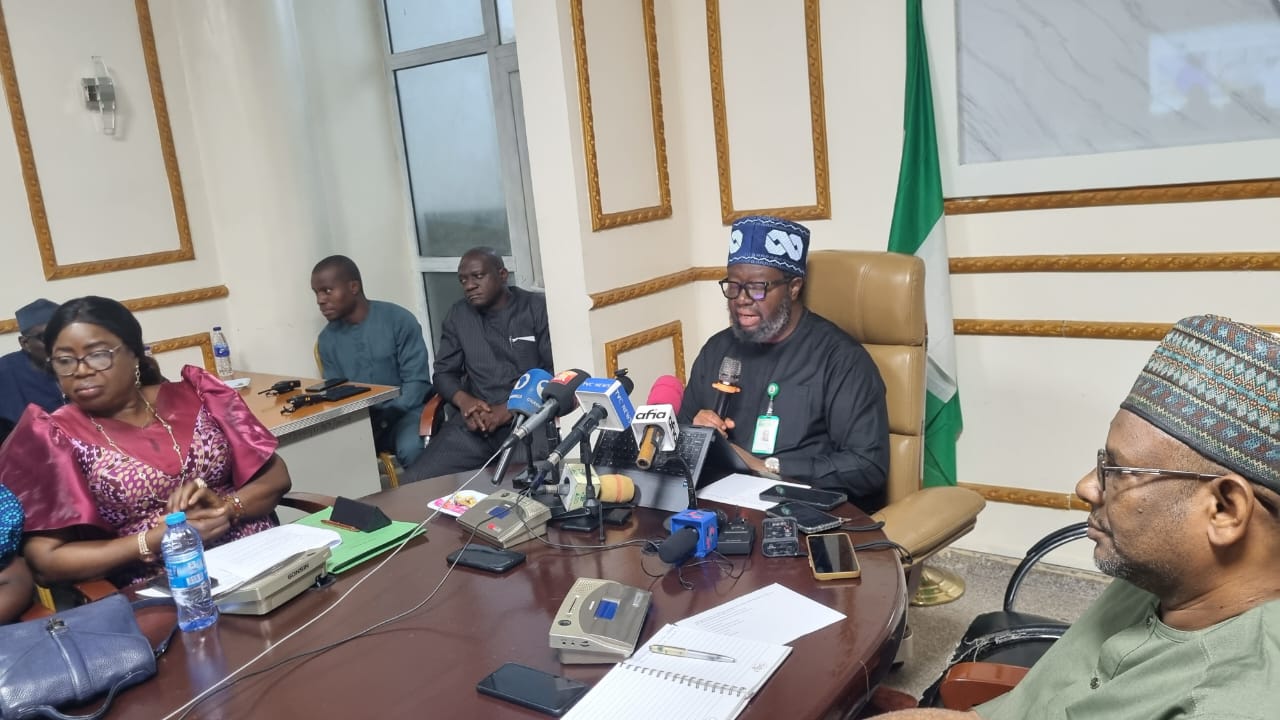
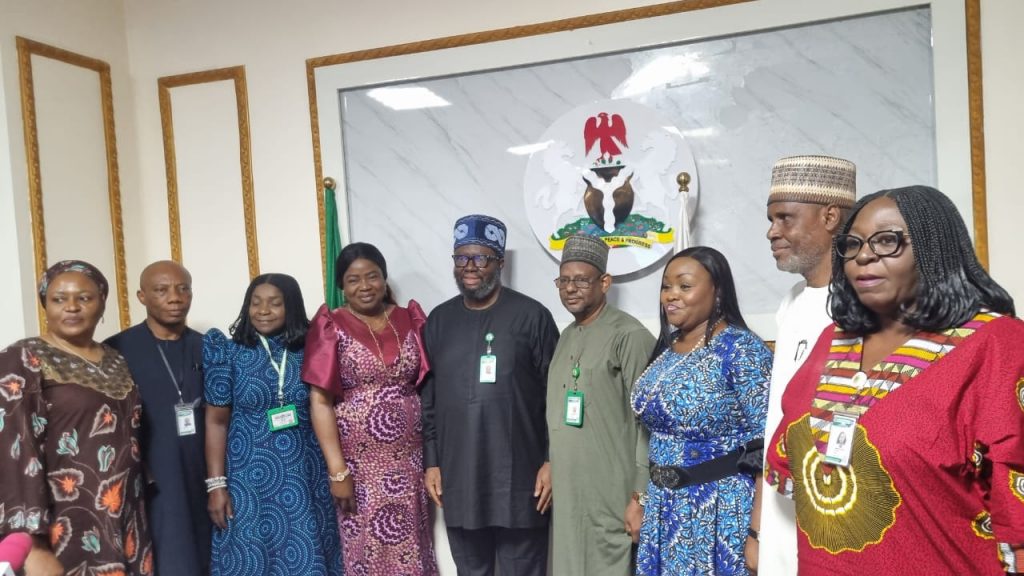
Speaking at a press conference ahead of the summit on Tuesday in Abuja, the Director-General and Chief Executive Officer of RMRDC, Prof. Nnanyelugo Martin Ike-Muonso, said the event would bring together policymakers, investors, researchers, technology providers and industrialists to develop practical strategies for transforming Africa’s abundant natural resources into industrial wealth.
The challenge, therefore, is not simply the abundance of resources, but the continent’s ability to transform those resources into industrial value, employment, technology and wealth within Africa.
Nigeria alone, according to the RMRDC, has more than $582.4 billion in documented non-renewable natural resources, while the wider continent possesses substantial deposits of critical minerals, agricultural raw materials and industrial feedstock.
Yet, the benefits of this resource endowment have often been constrained by inadequate processing capacity, weak infrastructure, limited technology, financing gaps and fragmented regional value chains.
From Dialogue to Industrial Action
ARMS 2026 builds on the maiden edition held in May 2025, which attracted more than 1,000 delegates from across the world.
The inaugural summit also witnessed the unveiling of the Ten-Year Raw Materials Transformation Roadmap (2025–2034) by the Minister of State for Industry, Senator John Owen Enoh.
The roadmap was designed around areas including technological capability, climate-resilient processing and backward integration, establishing a policy framework for greater domestic utilisation of Africa’s raw materials.
The second edition is expected to move the conversation further by bringing policy, capital, technology and industrial stakeholders around practical mechanisms for turning raw materials into locally manufactured products.
One of the major proposals highlighted by the RMRDC is the 30 per cent Mandatory Value Addition Bill, which seeks to establish a statutory minimum level of value addition to Nigerian raw materials before export.
The Council says the proposed framework could support job creation, import substitution, foreign-exchange conservation and increased manufacturing contribution to the economy.
Building the Infrastructure for Value Addition
The industrial transformation envisaged by ARMS 2026 goes beyond legislation.
A major concern is the “missing middle” between where raw materials are produced and where factories are located.
Poor transportation networks, inadequate cold-chain facilities, weak rural roads, limited testing and certification infrastructure and border-related delays can make locally sourced materials more expensive and less competitive.
Consequently, logistics and infrastructure constitute one of the five principal pillars of the summit.
The objective is to develop more reliable corridors connecting farms and mines with processing centres and manufacturing facilities, thereby reducing losses and improving the movement of industrial inputs.
The Digital Dimension
Technology is also becoming an important part of the Council’s strategy.
The RMRDC says it has developed the Nigeria Integrated Information Statistical System for Raw Materials and Products (NISSRAMP), described as a digital repository containing information on feedstock deposits, specifications, production outputs and industrial absorption rates.
The Council has also highlighted its transition towards paperless operations and its certification as a Data Controller/Processor of Major Importance by the Nigeria Data Protection Commission.
Such digital infrastructure could provide investors and manufacturers with better information about the availability and characteristics of raw materials while supporting more informed industrial planning.
Turning Waste Into Industrial Inputs
Another major component of ARMS 2026 is the proposed expansion of the circular economy.
The summit will examine how agricultural by-products, mine tailings, scrap metals and biomass can be recovered and reused as inputs for new production processes rather than being treated simply as waste.
The RMRDC argues that such an approach could lower raw-material costs while supporting more sustainable and climate-resilient manufacturing systems.
For Africa, where industrial expansion must increasingly balance economic development with environmental considerations, waste industrialisation could become an important part of the continent’s manufacturing conversation.
From National Production to African Value Chains
The African Continental Free Trade Area is another important element of the summit’s agenda.
The RMRDC sees AfCFTA as an opportunity to create regional value chains in which raw materials sourced in one African country can be processed and supplied to manufacturers in another.
Under such a model, Africa would move beyond simply exporting commodities to external markets and develop stronger internal networks for supplying chemicals, refined minerals, agricultural inputs and other industrial materials across national borders.
This approach places regional integration at the heart of Africa’s industrialisation strategy.
Bridging Research and Capital
A recurring weakness in many developing economies is the gap between research and commercialisation.
Innovations may emerge from universities, research institutions and laboratories without receiving the financing, equipment or market connections required to become commercially viable.
ARMS 2026 intends to address that gap through technology commercialisation and capital linkages, connecting research outputs with investors, development finance institutions and industrial off-takers.
The RMRDC has also cited partnerships with the Bank of Industry for commercial-scale post-harvest processing and a South-South technology-transfer partnership with the National Innovation Centre par Excellence in Shanghai, China.
A Larger Industrial Conversation
The scale of ARMS 2026 is expected to be significantly larger than the maiden edition.
The organisers project more than 1,800 delegates from all 54 African countries and global industrial partners.
The programme will feature high-level policy dialogues, technical panels, an advanced raw materials and technology exhibition, industrial site visits and the African Raw Materials Industry Awards.
The exhibition, in particular, is expected to showcase locally fabricated processing machinery, advanced domestic materials, green chemicals and engineered commercial inputs.
Beyond the speeches and exhibitions, however, the real significance of ARMS 2026 will ultimately depend on what happens after the summit.
Africa’s challenge has never been a shortage of raw materials. The more difficult question has been how to transform those resources into factories, products, skilled employment, technology and sustainable economic opportunities.
For Nigeria and the rest of the continent, the proposed shift from “pit-to-port” to “feedstock-to-factory” therefore represents a broader debate about the future structure of African economies.
ARMS 2026 seeks to place that debate firmly on the industrial agenda — with value addition, technology, finance, infrastructure, circular production and regional trade at the centre.
If the commitments and partnerships generated by the summit translate into measurable industrial activity, the event could provide another platform for Africa to examine how its enormous resource base can support stronger domestic manufacturing.
The message from the organisers is clear: the continent’s raw materials should not only leave African soil as commodities; they should increasingly become the foundation for African industrial production
-
 Featured7 years ago
Lampard Names New Chelsea Manager
-
 Featured6 years ago
FG To Extends Lockdown In FCT, Lagos Ogun states For 7days
-
 Featured7 years ago
Children Custody: Court Adjourns Mike Ezuruonye, Wife’s Case To April 7
-
 Featured7 years ago
NYSC Dismisses Report Of DG’s Plan To Islamize Benue Orientation Camp
-

 Featured5 years ago
Transfer Saga: How Mikel Obi Refused to compensate me After I Linked Him Worth $4m Deal In Kuwait SC – Okafor
-
Featured7 years ago
Board urges FG to establish one-stop rehabilitation centres in 6 geopolitical zones
-
Sports4 years ago
TINUBU LAMBAST DELE MOMODU
-

 News2 years ago
Zulu to Super Eagles B team, President Tinubu is happy with you