
Sports
Culture Comes Alive in Abuja as 13th ECOWAS African Wrestling Tournament Kicks Off in Grand Style
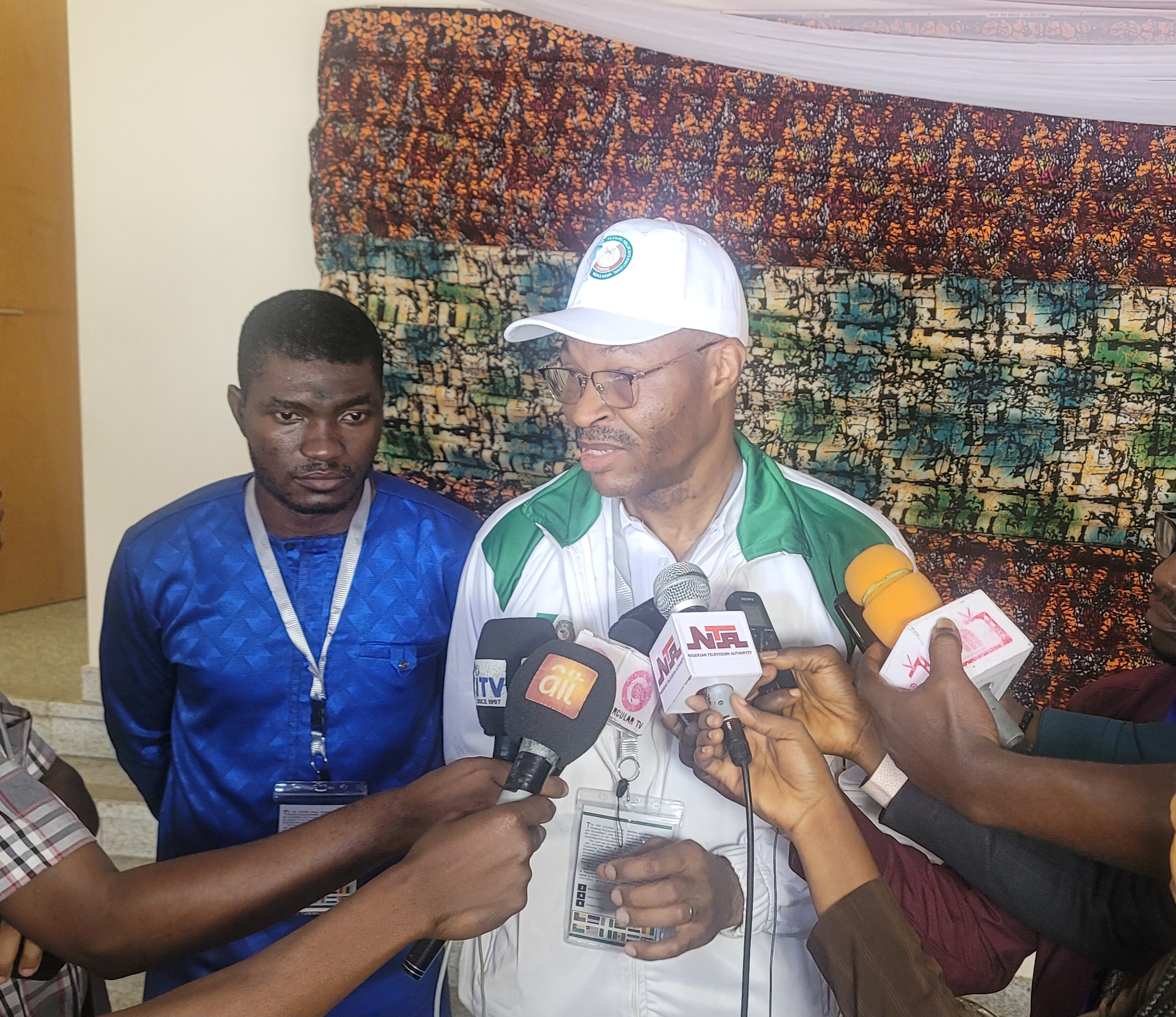
By Joel Ajayi
It was a spectacular showcase of culture and tradition at the Velodrome of the Moshood Abiola National Stadium in Abuja as the 13th edition of the Economic Community of West African States (ECOWAS) African Wrestling Tournament commenced in grand style.
A total of 55 athletes from 11 countries are competing for top honors, with each nation represented by five wrestlers and four technical officials.
Speaking at the opening ceremony on Thursday, the Director of Youth and Sports Development for ECOWAS, Ambassador Francis Njoaguani, expressed his appreciation and highlighted the importance of the tournament in fostering cooperation and unity among the 12 ECOWAS member states.
Although Cape Verde is absent from this year’s event, Njoaguani stressed the significance of sports as a powerful tool for regional integration.
“This programme brings together wrestlers from all our member states,” Njoaguani said. “It strengthens collaboration among nations and showcases the unifying power of sports. We believe this will enhance the integration efforts that ECOWAS advocates.”
With young people making up 54% of the ECOWAS population, Njoaguani noted the vital role sports play in economic development and youth engagement.
“Sports not only connect participants but also drive economic growth,” he stated. “We aim to leverage sports to spread the message of ECOWAS regarding integration and youth development, which are essential to our goals of development and human capital enhancement.”
The tournament opened with team events, while individual bouts across weight categories of 65kg, 75kg, 85kg, 100kg, and 120kg are scheduled to follow in an elimination format, leading to the semi-finals and finals.
Njoaguani also extended an invitation to the public to attend the tournament’s grand finale on Saturday, where medals and prizes will be awarded to the champions.
As excitement builds, the tournament aims not only to showcase athletic talent but also to foster regional camaraderie and development through the spirit of competition.
In his remarks, the Chairman of the National Sports Commission (NSC), Mallam Shehu Dikko, reaffirmed the Commission’s commitment to using sports as a platform for youth empowerment, regional integration, and economic growth.
This year’s tournament also coincides with the 50th anniversary of ECOWAS, adding greater significance to the event.
Dikko praised the rich cultural heritage embedded in traditional wrestling, describing it as more than just a sport: “It embodies the spirit of resilience, strength, and discipline—qualities that define our great continent,” he said, as dignitaries, athletes, and fans gathered to celebrate this prestigious event.
Dikko further commended the leadership of President Bola Ahmed Tinubu, who currently chairs the Authority of ECOWAS Heads of State and Government, noting his dedication to using sports as a vehicle for peace and regional cohesion.
“This tournament is a testament to our collective commitment to promoting cultural ties and strengthening the bonds that unite us,” he emphasized.
Hosting the tournament firmly positions Nigeria as a central figure in promoting and developing traditional sports across the region.
Dikko reiterated the National Sports Commission’s dedication to maximizing the power of sporting events for youth development, regional unity, and economic progress.



Sports
Davis Cup Playoffs: NTF President Victor Ochei Confident as Nigeria Targets Promotion Against Uzbekistan
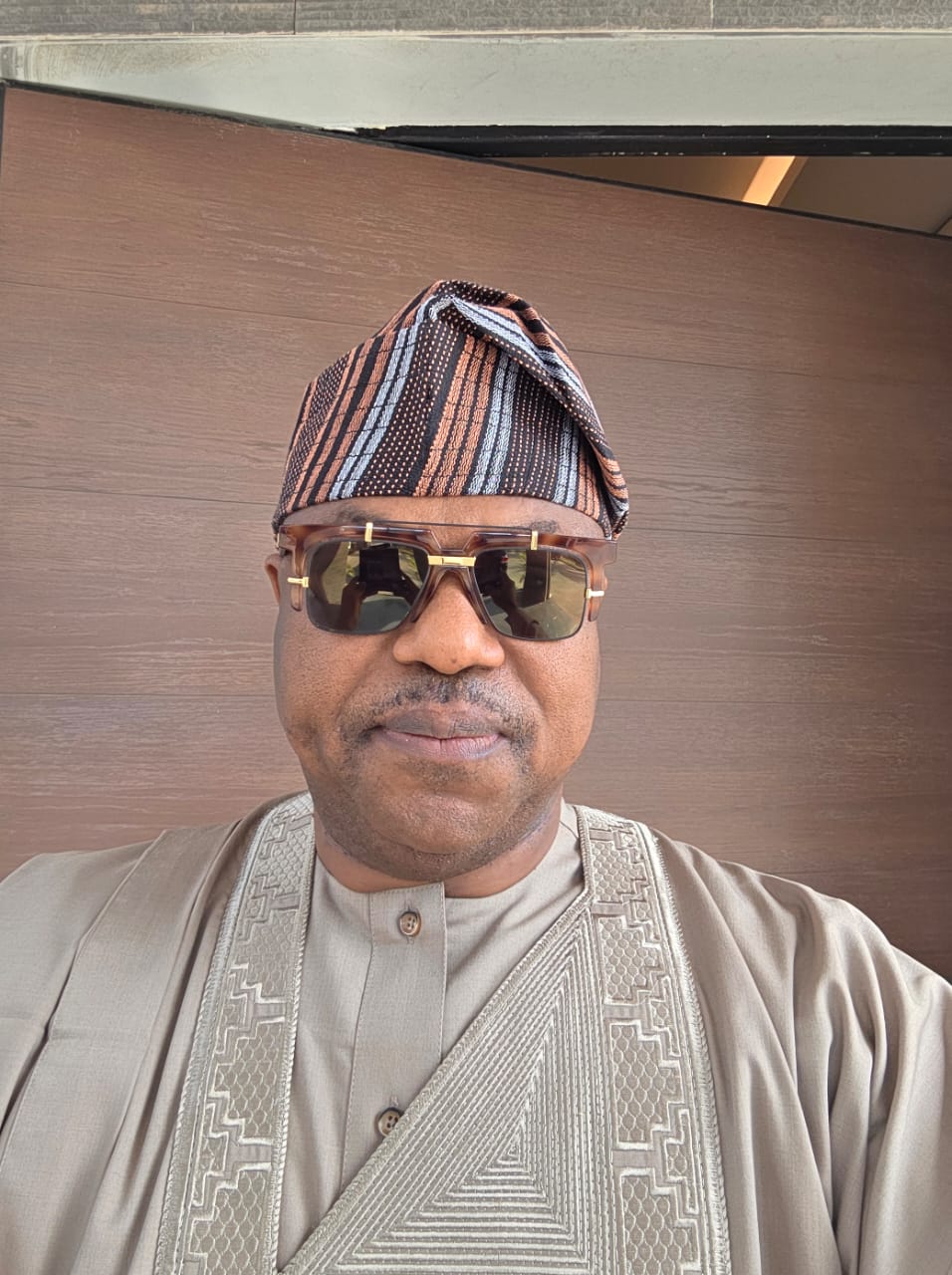
Cyrillic Ogar
President of the Nigeria Tennis Federation, NTF, Rt. Hon. Victor Ochei has expressed confidence that Nigeria will edge out Uzbekistan when both countries square up this weekend in the Davis Cup World Group II Promotion playoff at the Lagos Lawn Tennis club in Onikan.
The Nigerian team will be hoping to put up a winning performance which will definitely relaunch the country into the mainstream of World tennis.
The Davis Cup which is fondly called the World cup of Tennis is the Premier International team event in Tennis organised by the International Tennis Gederation, ITF, and Nigeria will be hoping for a promotion in the Africa zone this weekend.
The NTF President said this year’s Davis cup will mark a turning point in the growth of Nigerian tennis because of the level of world class preparations that have been put into organising the event and preparing the Nigerian team.
” We are very excited for what is coming in Nigerian Tennis and that is why we have ensured that organisationally the Davis cup this weekend is of international standard and we have prepared the players very well to ensure they pick the promotion ticket”.
Chairman of the Central Planning committee of the Davis Cup Lagos, Victor Hembah, urged tennis fans in Lagos to come support the Nigerian team and be part of a history making event at the Lagos lawn tennis court.
The matches will take place on Saturday through Sunday with Nigeria presenting a strong five man team of Daniel Adeleye, Canice Abua, Michael Emmanuel, Uchenna Oparaoji and Yusuf Abubakar.
-
 Featured7 years ago
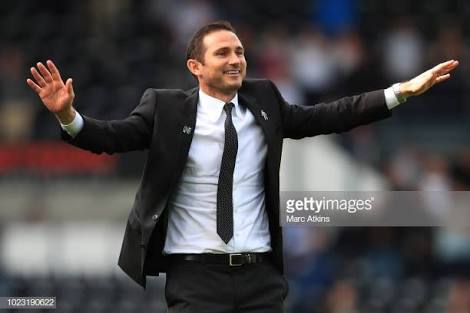
Lampard Names New Chelsea Manager
-
 Featured6 years ago
FG To Extends Lockdown In FCT, Lagos Ogun states For 7days
-
 Featured6 years ago
Children Custody: Court Adjourns Mike Ezuruonye, Wife’s Case To April 7
-
 Featured7 years ago
NYSC Dismisses Report Of DG’s Plan To Islamize Benue Orientation Camp
-

 Featured4 years ago
Transfer Saga: How Mikel Obi Refused to compensate me After I Linked Him Worth $4m Deal In Kuwait SC – Okafor
-
Sports3 years ago
TINUBU LAMBAST DELE MOMODU
-

 News1 year ago
Zulu to Super Eagles B team, President Tinubu is happy with you
-
Featured6 years ago
Board urges FG to establish one-stop rehabilitation centres in 6 geopolitical zones