
Culture and Tourism
Korean Cultural Centre organizes Food Cooking Class for Diplomats, Embassies
Joel Ajayi
As part of its determination to promote a symbiotic relationship among the countries in Nigeria, the Korean Cultural Center Nigeria KCCN organized Korean Food Cooking Class for Diplomats, Embassies in Abuja.
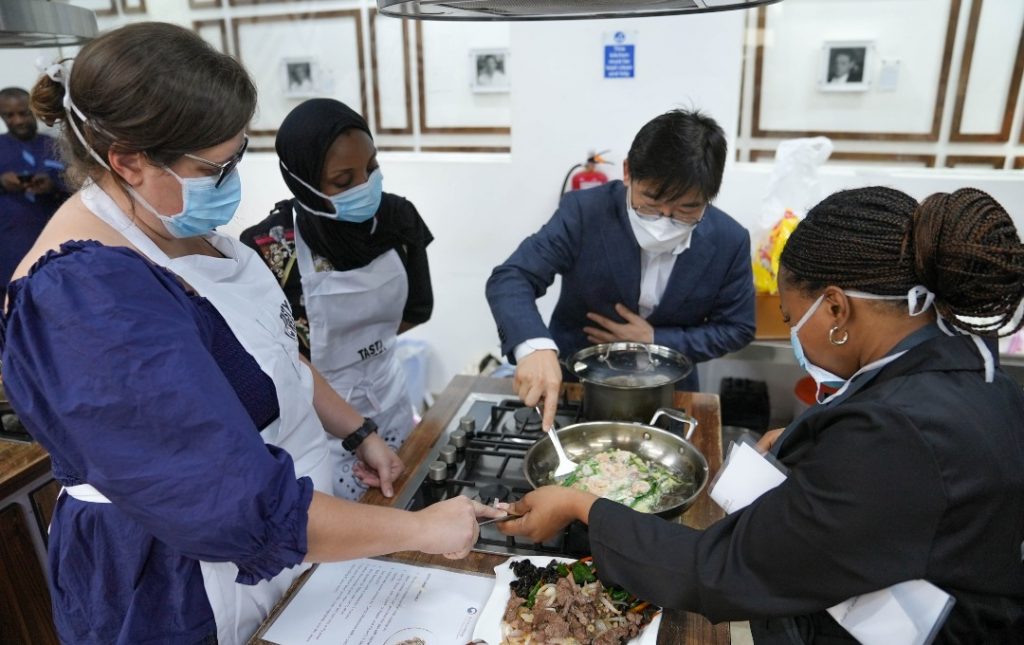
KCCN brought together the diplomats from different embassies and the Nigeria community to teach them and introduce Korean food to them on Thursday in Abuja the Nigeria Capital Territory.

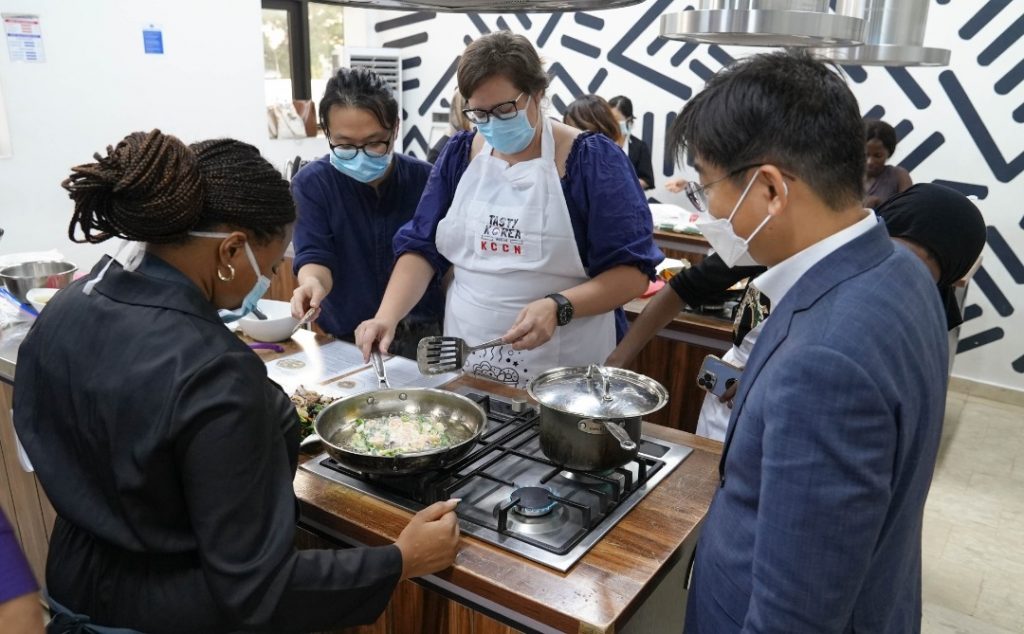
The initiative was an opportunity to examine the thriving cultural relationship between embassies through introduction of different types of food and another way to ensure an enduring mutually beneficial and symbiotic partnership.
Nigeria and Korea republic indeed have years of international relations in the areas of: sport, politics, trade, investment, aid, technology, science, culture, education, health and military
While speaking excitedly, Director of KCCN Kim Chang Ki said the aim was to introduce Korean food to embassies and Nigerian families.
According to him, we want to introduce Korean food to Nigerian family and people, I am aware Nigerian like drama, dance already so, and we want to introduce Korean food as well.
“Today, we have four embassies in attendant, we have England, Cuba, Philippines and Ecuador, though we invited eight but four of them showed up and it’s going to be monthly.”
Speaking on Nigeria Culture he revealed that Nigeria culture is good and we want to consolidate on that.
As for the participant from British Embassy Becky Green said she like flavor of the Korean food: “I love it I am very grateful to be part of it, thumb up for KCCN for the excellent job.”
On his own, the Deputy Chief of Mission and Consul General Philippine Embassy Roderico Atienza commended the Korean embassy saying the initiative will no doubt go a long way to cement more relationship among diplomats and embassies. “I feel fortunate to be part of this.”



Creative Industry
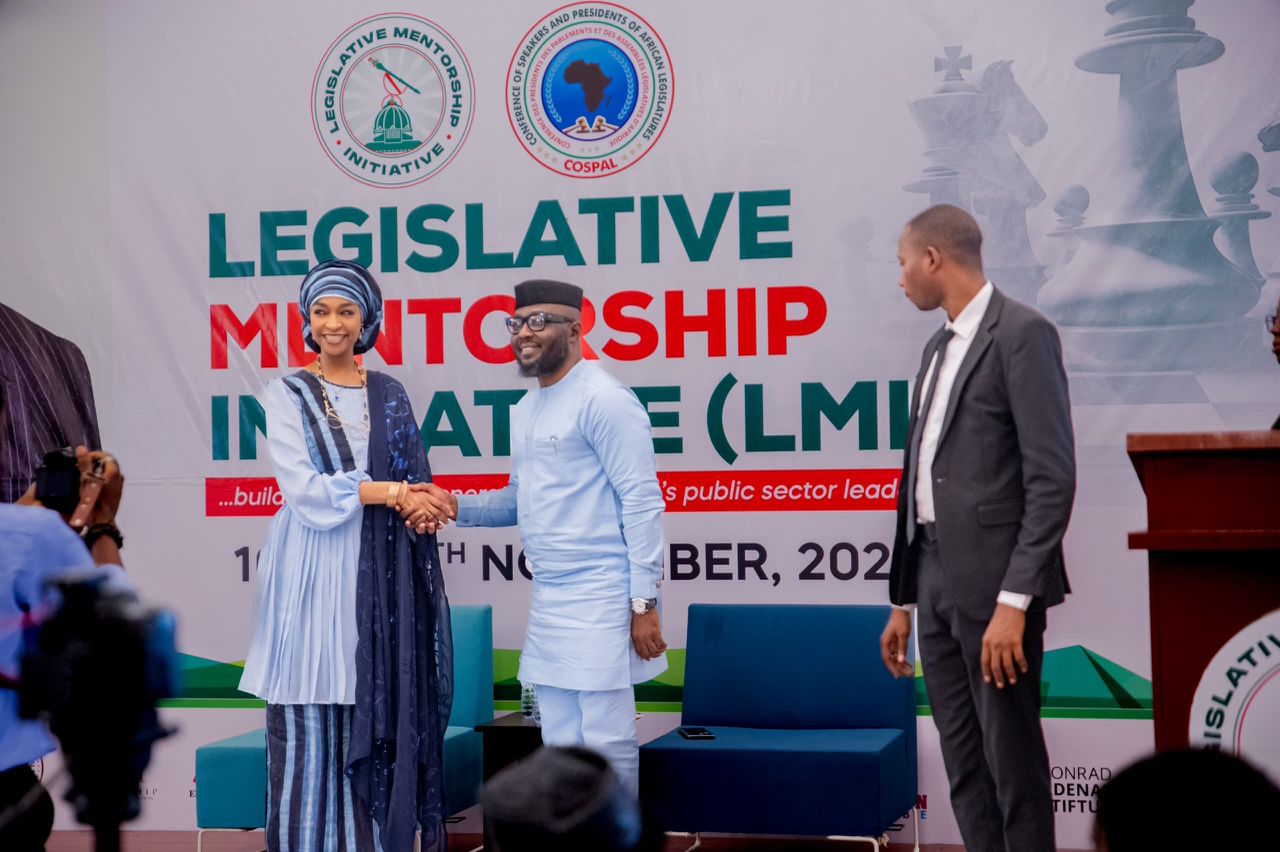
Musawa Highlights Art and Culture as Drivers of Public Sector Excellence at Legislative Mentorship Session
Joel Ajayi
The Minister of Art, Culture, Tourism and Creative Economy, Hannatu Musa Musawa, Esq., has emphasized the importance of integrating art and culture into public-sector excellence in Nigeria.
In a statement issued on Thursday in Abuja by the SA Media & Publicity, Office of the Honourable Minister, Federal Ministry of Art, Culture, Tourism and Creative Economy Nneka Ikem Anibeze, Phd.
Musawa made this known while addressing trainees at the 4th Legislative Mentorship Initiative (LMI), held at the National Institute For Legislative and Democratic Studies, Abuja on Thursday.
Themed ‘Building the next generation of Public Sector Leaders’, Minister Musawa highlighted art and culture as essential tools for national cohesion and identity, economic development and job creation, innovation and civic engagement, sustainable development, and projecting Nigeria’s soft power and global identity.
She noted that Nigeria’s rich cultural heritage is a unifying force that binds different ethnicities and elaborated on how Art and Culture is key to public-sector excellence in Nigeria.
“First, embracing and promoting art and culture helps to forge national cohesion and shared identity among Nigeria’s diverse populations. Integrating culture into public policy and governance transforms the creative and cultural sectors into engines of economic development, job creation and diversification. Cultural industries including crafts, music, film, design, heritage tourism can generate livelihoods, attract investment, expand exports, and reduce overreliance on a narrow set of economic activities.
“A society that values creativity and cultural expression tends to produce more resourceful citizens, fosters cross-cultural dialogue, and encourages public servants to be more adaptive, empathetic, and culturally aware while prioritizing culture and creative economy in public policy through frameworks, institutions, and infrastructure, demonstrates long-term vision and commitment to sustainable development,” Musawa said.
The Minister called for supportive policies, enabling legislation, and sustained commitment to fulfill this vision, including laws that protect intellectual property, incentivize investment in creative infrastructure, and integrate arts and culture into education and community development.
“Embedding art and culture at the heart of governance and public-sector planning is not a luxury, it is a necessity. It builds unity, drives economic growth, fosters innovation, strengthens institutions, and ensures that development respects and reflects the soul of the nation,” she emphasized.
Musawa thanked the founder of the Legislative Mentorship Initiative (LMI), Rt. Hon. Femi Gbajabiamila, Chief of Staff to the President, Bola Ahmed Tinubu, for his inspiring vision and unwavering commitment to cultivating Nigeria’s future public-service leaders.
Other speakers at the Legislative Mentorship Initiative include the Director General, Centre for Black and African Arts and Civilization Aisha Augie, Nigerian photo-journalist and documentary photographer Bayo Omoboriowo, Amb. Dapo Oyewole, Secretary-General Conference of Speakers and Presidents of African Legislatures amongst others.
-
 Featured6 years ago
Lampard Names New Chelsea Manager
-
 Featured6 years ago
FG To Extends Lockdown In FCT, Lagos Ogun states For 7days
-
 Featured6 years ago
Children Custody: Court Adjourns Mike Ezuruonye, Wife’s Case To April 7
-
 Featured6 years ago
NYSC Dismisses Report Of DG’s Plan To Islamize Benue Orientation Camp
-

 Featured4 years ago
Transfer Saga: How Mikel Obi Refused to compensate me After I Linked Him Worth $4m Deal In Kuwait SC – Okafor
-
Sports3 years ago
TINUBU LAMBAST DELE MOMODU
-

 News11 months ago
Zulu to Super Eagles B team, President Tinubu is happy with you
-
Featured6 years ago
Board urges FG to establish one-stop rehabilitation centres in 6 geopolitical zones