
Creative Industry
Naija Flavour Destination: Nurturing MSMEs, Local Talent and Creative Innovation
By Joel Ajayi
The Naija Flavour Destination 2025 edition, held on December 13 at the scenic Monoliza Park in Abuja, powerfully underscored Nigeria’s regional diversity while reinforcing the country’s growing status as a hub for culture-led tourism and creative enterprise.
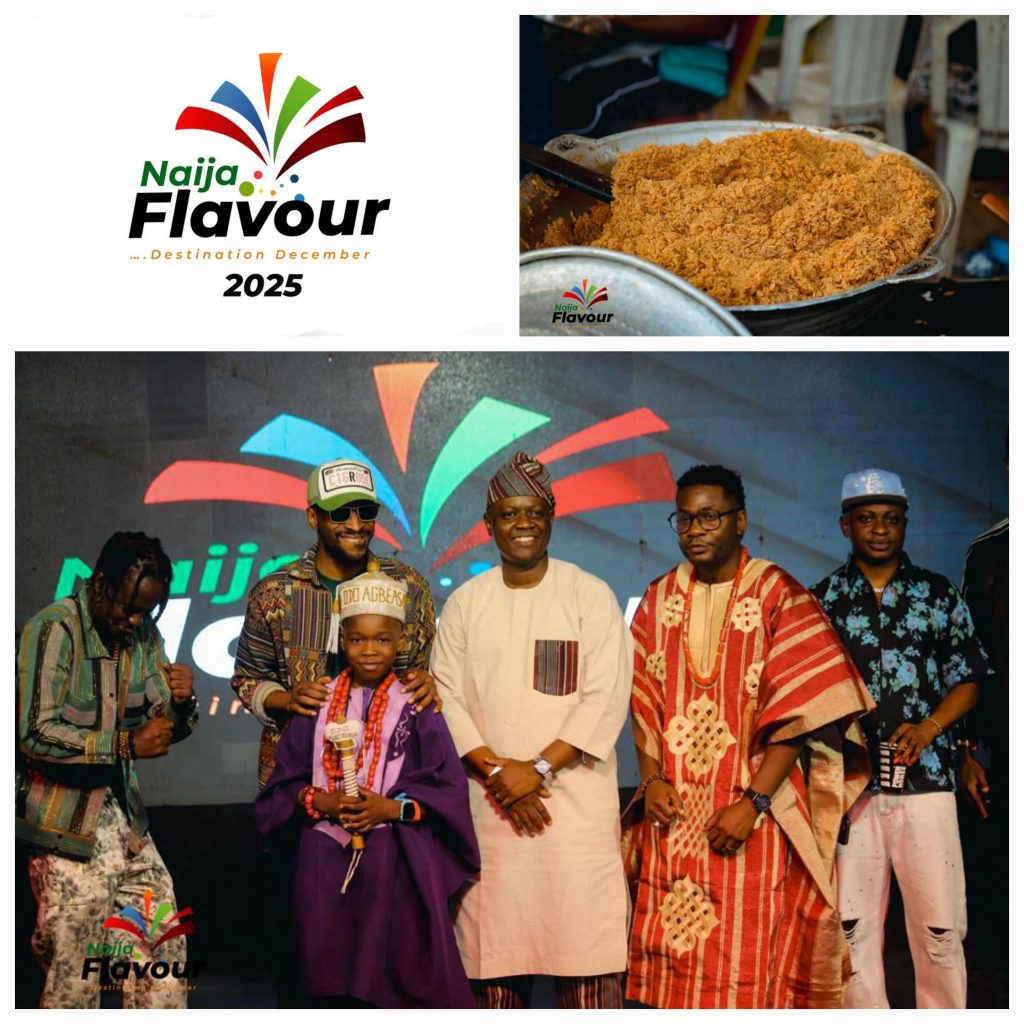
More than a festival, Naija Flavour 2025 emerged as a dynamic ecosystem that brought together creatives, MSMEs, entrepreneurs, cultural custodians and tourism stakeholders from across Nigeria’s six geo-political zones.
Each region was reflected through food, fashion, music, dance and artistic expressions that showcased the richness and uniqueness of Nigeria’s cultural identities.
From the moment guests arrived, the atmosphere celebrated regional pride and national unity. Electrifying music performances, captivating dances, vibrant fashion displays and a rich spread of indigenous cuisines created a sensory journey across Nigeria’s cultural landscape.
The experience highlighted how regional flavours and traditions can be transformed into viable creative and tourism products.
Throughout the evening, the festival served as a networking and collaboration platform, enabling local businesses, artisans and emerging creatives to connect with investors, policymakers and cultural enthusiasts. This interaction reinforced Naija Flavour’s role in nurturing MSMEs, amplifying grassroots talent and opening doors to new economic opportunities across regions.
Abuja’s role as host city once again reflected its position as a cultural melting pot—bringing together traditions from the North, South, East and West into a shared national narrative that celebrates diversity while promoting cohesion.Naija Flavour, a flagship initiative of the Nigerian Tourism Development Authority (NTDA), is strategically designed to tell Nigeria’s story in its entirety.
The brand encapsulates food, fashion, arts and crafts, dance, festivals, music, live theatre, games and immersive tourism experiences—each rooted in regional heritage but unified under a national creative vision.
Speaking at the event, the Director General of NTDA, Mr. Olayiwola Awakan, described Naija Flavour 2025 as both a cultural celebration and an economic platform that positions Nigeria as a leading destination for culture-driven tourism and the creative economy.
According to him, the festival has evolved into one of Nigeria’s most vibrant showcases of regional diversity, culinary excellence, artistic innovation and youth-driven creativity.
He noted that the initiative aligns with President Bola Ahmed Tinubu’s Renewed Hope Agenda, particularly in job creation, youth empowerment and wealth generation at the community and regional levels.
Mr. Awakan emphasized that Nigeria’s true wealth lies in its people—their talents, stories, flavours and resilience. By presenting Nigeria as an experience rather than a concept, Naija Flavour projects the country as colourful, welcoming, proudly African and rich in creative possibilities across all regions.
He further stressed that festivals like Naija Flavour play a critical role in strengthening Nigeria’s tourism brand, stimulating regional economies, attracting investment and creating sustainable jobs. Beyond entertainment, the platform functions as a creative ecosystem that supports MSMEs, promotes cultural entrepreneurship and drives innovation.
Highlighting global trends, NTDA observed that tourism is increasingly culture-led and experience-driven, noting that Nigeria must strategically leverage its regional assets to compete globally. Naija Flavour, the Authority said, represents a bold and timely step in that direction.
Commending partners and stakeholders, the NTDA DG praised the festival for giving visibility to culinary artisans, designers, performers and creative entrepreneurs from different regions, while fostering unity through shared cultural expressions.
NTDA also disclosed that Naija Flavour is not a one-off event, but a travelling cultural experience set to tour the six geo-political zones of Nigeria. Each regional edition will spotlight local identities, flavours, creative strengths and tourism advantages, further decentralising opportunities and impact.
Reaffirming its commitment, Mr. Awakan pledged continued support for cultural platforms, stronger public-private partnerships, enabling policies for creative entrepreneurs and the use of digital innovation to project Nigeria’s tourism brand globally.
As the sights, sounds and flavours of Naija Flavour 2025 captivated Abuja, NTDA called on regional stakeholders to continue investing in festivals, destinations, storytellers and cultural custodians. Every dish, rhythm, colour and performance, the Authority noted, forms part of a broader national story—one rooted in unity, creativity, resilience and limitless regional potential.
Naija Flavour Destination 2025, NTDA concluded, is not just a festival, but a bold regional and national statement—showcasing a new Nigeria confidently presenting its diverse cultural economy to the world.



Creative Industry
CAFA Targets $500bn Fashion Economy At Canex Wknd 2026
Joel Ajayi
The Confederation of African Fashion (CAFA) will present its roadmap to grow Africa’s fashion economy from an estimated $30 billion to $500 billion at CANEX WKND 2026 in Lagos.
Marking its first anniversary on November 5, CAFA will unveil a joint stand with the Federal Ministry of Art, Culture, Tourism and the Creative Economy at the Wole Soyinka Centre for Culture and the Creative Arts, formerly the National Arts Theatre, on November 5, 2026.
CAFA President, Aare (Prof.) Lai Labode, said the institution works with African governments to align sourcing, production, trade and intellectual property policies, ensuring African creativity generates greater value for African businesses and communities.
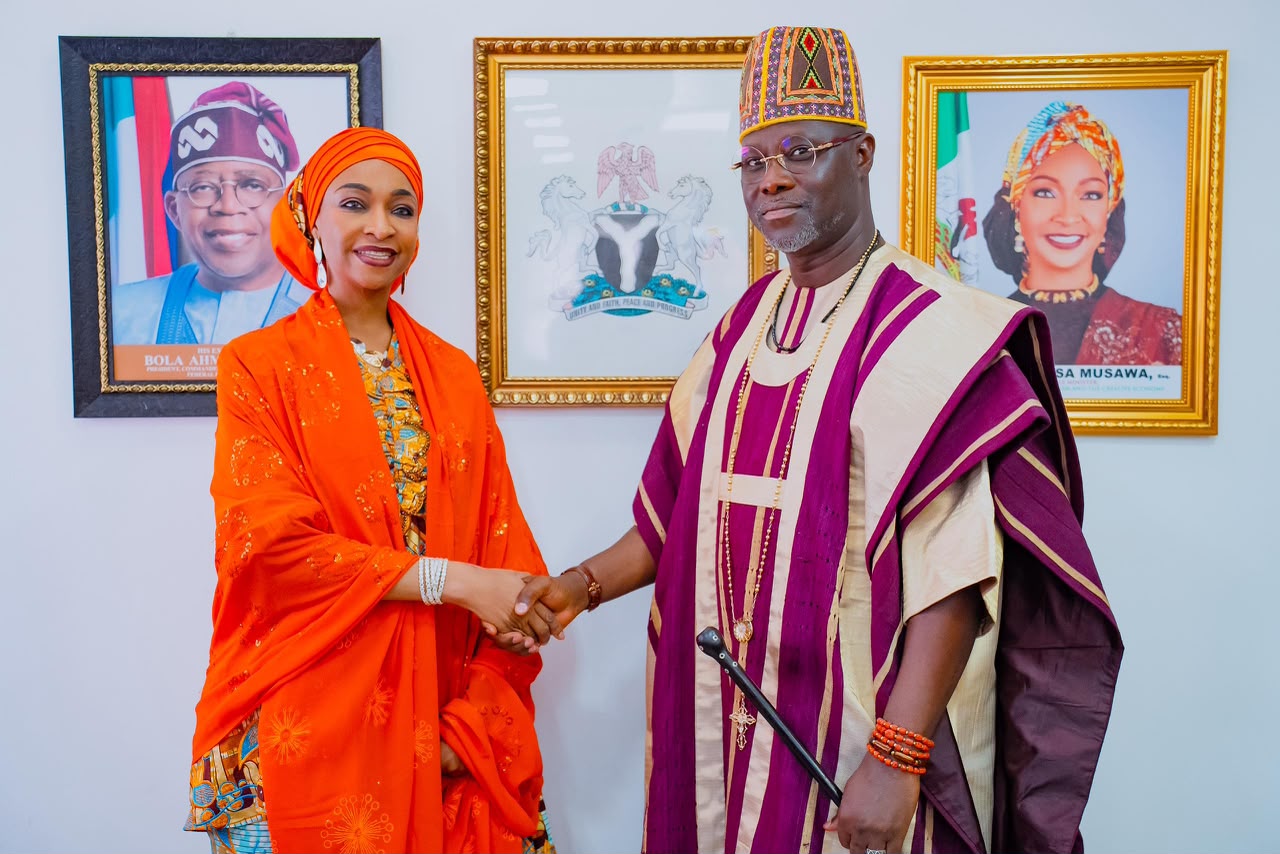
Nigeria became the first country to sign the African Fashion Industry Growth Charter on November 5, 2025, when the Honourable Minister Barr. Hannatu Musa Musawa signed on behalf of the Federal Government.
Speaking ahead of the unveiling, Minister Musawa said: “Afroliganza seeks to build a structured, values-driven fashion economy rooted in African heritage, led by African institutions, and positioned for global impact.”
On employment potential, the minister emphasized that Investment in fashion will create millions of jobs, particularly for women and youth.
Registered in Rwanda, with an office in Kigali and a desk at the Federal Ministry of Arts, Culture, Tourism and the Creative Economy, CAFA is also working with Nigeria’s Ministry of Foreign Affairs towards African Union adoption of the Charter. Rwanda is progressing towards becoming its second participating country and the first in East Africa.
Its first year saw fifty nations gather at the Egbaliganza-Lisabi Festival in Abeokuta and a signed MoU with Türkiye’s ASRIAD.
CAFA’s programmes promote processing African raw materials into finished apparel locally. ‘Own What We Create’ addresses intellectual property protection, while the CAFA Certified Seal and CAFA Heritage Mark support standards and authenticity. African Global Fashion Houses are currently being established across international markets.
The African Global Fashion Games will debut in Nigeria in 2028, bringing designers together under national colours. Held every three years, the Games will alternate between African and international hosts, combining competition with investor meetings, deal signings and policy discussions. Its Instant Craft event gives competing nations identical materials and a fixed clock, placing skill at the centre of the contest.
CAFA is inviting creatives, fashion designers, artisans, diplomats, economists, investors and policymakers to its CANEX stand. Visitors can explore the roadmap, ask questions and identify opportunities to contribute through design, manufacturing, investment, research, trade and international partnerships. The stand will be open daily from November 5 to 8.
CAFA calls on the African Union to adopt the Charter, and governments to sign the Games Register and form national teams.
“Fashion has always told the world who Africa is. Now Africa will decide what fashion pays,” Aare Prof. Lai Labode said.
-
 Featured7 years ago
Lampard Names New Chelsea Manager
-
 Featured7 years ago
FG To Extends Lockdown In FCT, Lagos Ogun states For 7days
-
 Featured7 years ago
Children Custody: Court Adjourns Mike Ezuruonye, Wife’s Case To April 7
-
 Featured7 years ago
NYSC Dismisses Report Of DG’s Plan To Islamize Benue Orientation Camp
-

 Featured5 years ago
Transfer Saga: How Mikel Obi Refused to compensate me After I Linked Him Worth $4m Deal In Kuwait SC – Okafor
-
Featured7 years ago
Board urges FG to establish one-stop rehabilitation centres in 6 geopolitical zones
-
Sports4 years ago
TINUBU LAMBAST DELE MOMODU
-

 News2 years ago
Zulu to Super Eagles B team, President Tinubu is happy with you













