
News
NEDC Advances ISO Standards Integration Across Development Operations
Joel Ajayi
The North East Development Commission (NEDC) has intensified efforts to institutionalise ISO management systems across its operations, urging senior management to take full ownership of the standards and ensure their effective integration into the Commission’s day-to-day activities.
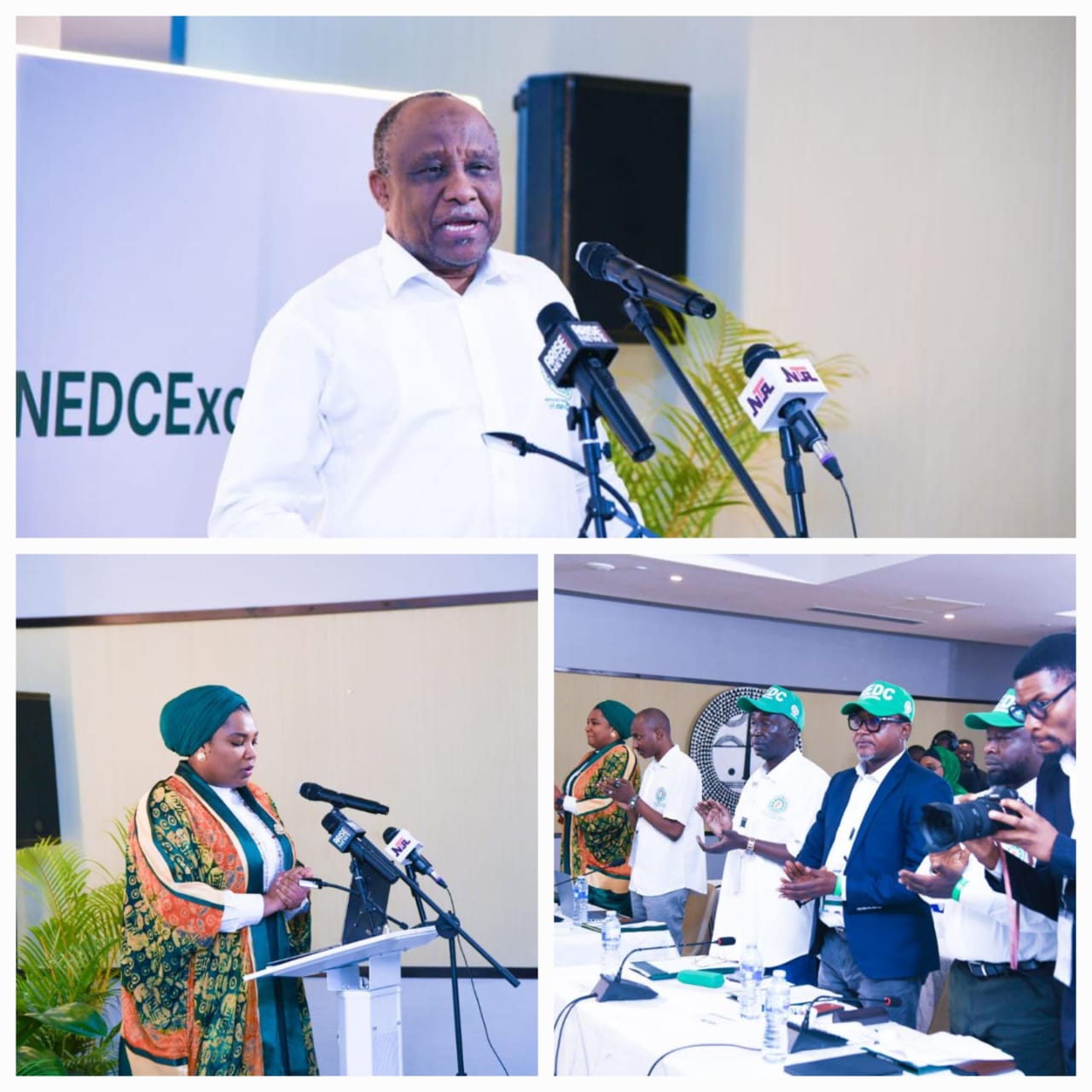
Managing Director and Chief Executive Officer of NEDC, Mohammed Goni Alkali, stated this on Monday in Abuja during the ISO Executive Retreat 2026 for senior staff which focused on leadership ownership, accountability, governance and the effective application of management systems to development programmes across the North-East.
The retreat comes after NEDC achieved certification to five management system standards covering quality management, environmental management, occupational health and safety, anti-bribery management and sustainable development in communities.
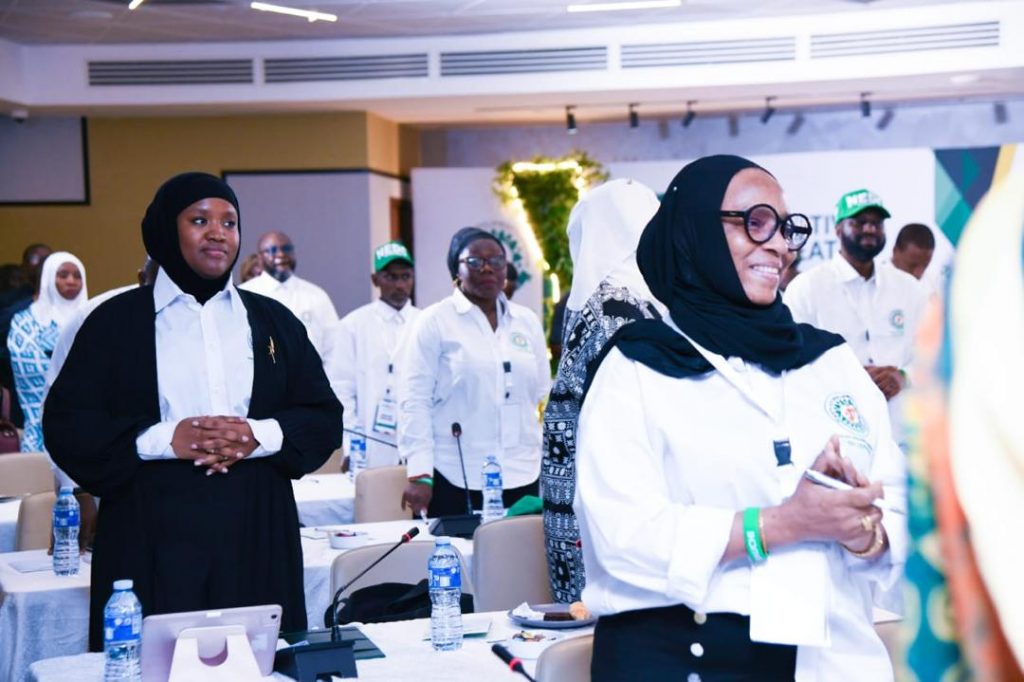
While describing the certification as an important milestone, the Commission said the immediate priority was to ensure that the standards become embedded in its leadership, decision-making processes, risk management and programme implementation.
The retreat is also designed to strengthen the link between the NEDC’s management systems and the North-East Master Plan, which provides the strategic direction for development across the region.
According to the him, while the Master Plan identifies development priorities, effective management systems provide the structure required for planning, coordination, accountability, risk management, performance monitoring and continuous improvement.
A major feature of the retreat is a Management Challenge, where senior managers are expected to apply management-system principles to practical development issues, including electric mobility and renewable energy investments.
Participants will examine governance, coordination, sustainability, risk management and programme delivery, with the aim of developing practical recommendations that can improve the Commission’s operations.
The programme also includes a Personal Clinic through which various units will examine areas requiring improvement and identify corrective actions. The approach places emphasis on solving problems and improving processes rather than assigning blame.
NEDC’s leadership stressed that institutional excellence should not be left to a single department, auditors or consultants, but should become a collective responsibility across the Commission.
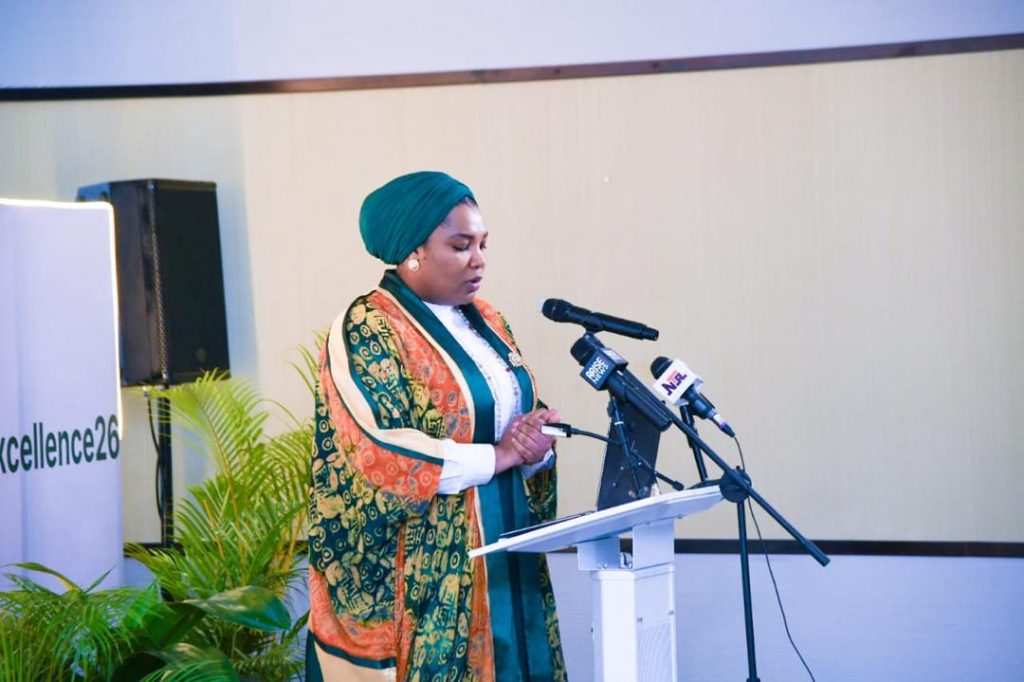
On her own, Acting Head of the Governance and Compliance Service Reforms Unit, Fatima Dalhatu, said the retreat was intended to move the conversation beyond understanding ISO standards to taking ownership of the systems.
She explained that ISO should not be treated as something separate from the Commission’s work, but as a framework for improving service delivery and achieving the objectives contained in the Master Plan.
Dalhatu further emphasised the role of senior management, noting that while the Governance and Compliance Service could coordinate the systems, senior managers must take ownership and ensure their implementation.
She said the programme would provide participants with an opportunity to translate ISO principles into practical actions within their respective responsibilities.
The retreat also features a town hall session designed to encourage open discussions and give participants an opportunity to raise issues and contribute to improving the Commission’s systems.
According to NEDC, the ultimate goal is to transform the certification milestone into an organisational culture built around quality, accountability, integrity, safety and sustainability.
The Commission said stronger systems and clearer accountability would contribute to more effective and sustainable development outcomes for communities across the six states of the North-East.
The retreat is expected to conclude with specific management actions, assigned responsibilities and follow-up mechanisms to sustain continuous improvement beyond the event.



News
DNKI President Champions Humanitarian Service, Sustainable Community Development

Cyril Samania
The President of De Norsemen Kclub International (DNKI), Chief Oliver Patrick Ityohegh, has reaffirmed the organisation’s commitment to humanitarian service, stressing the importance of supporting vulnerable people and improving community welfare beyond the annual celebration of Humanitarian Day.

Ityohegh stated this during the organisation’s Cauldron Night and Award Presentation held to commemorate its 2026 Humanitarian Day celebration, theme: “Humanity First: Advancing Hope, Dignity and Community Well-being.” organised by the DNKI Abuja Chapter.
He emphasised that humanitarian service should be a continuous responsibility driven by compassion, solidarity and a commitment to making a meaningful difference in society.
According to him, DNKI’s humanitarian activities reflect its dedication to giving back to society and supporting people in need, while encouraging members to sustain initiatives that promote human dignity and community well-being.
He added that the organisation would continue to strengthen its humanitarian engagements through practical interventions aimed at improving the lives of vulnerable people and promoting community development.
Speaking at the event, the representative of the Abuja Chapter Chairman and Chairman of its Advisory Council, Prince Efiong Okpe, said the organisation’s humanitarian activities extended beyond the annual celebration of Humanitarian Day on October 15.
Okpe explained that DNKI undertook several initiatives throughout the year, including blood donation exercises, visits to hospitals and correctional centres, as well as support for orphanages and other vulnerable groups.
According to him, the organisation also collaborated with humanitarian bodies in the Federal Capital Territory (FCT) to identify areas of need and provide assistance within its available resources.
He described Humanitarian Day as an opportunity for members to renew their commitment to service and demonstrate solidarity with people facing difficult circumstances.
Earlier, the Chairman of the Planning Committee and Coordinator of the DNKI Gwagwalada Zone, Mr Etudaiye Hamzat, disclosed that the chapter had provided financial assistance to some members to help pay their children’s school fees, alongside distributing bags of rice and other relief items to members experiencing hardship.
Hamzat explained that the interventions followed concerns over the difficulties some members faced in meeting their family responsibilities, particularly the rising cost of their children’s education.
He maintained that supporting members in need was consistent with the organisation’s humanitarian principles, adding that DNKI remained committed to extending assistance to non-members and vulnerable communities as part of its commitment to leading by example.
Looking ahead, Hamzat said the Abuja Chapter planned to expand its humanitarian outreach to remote communities within the FCT, with particular attention to orphanages, schools and widows facing difficulties in meeting their family responsibilities.
He also recalled previous interventions for internally displaced persons (IDPs), which included the distribution of food, clothing and educational materials, noting that the chapter intended to scale up such initiatives in the coming year.
The highlight of the event was the presentation of awards to outstanding members and distinguished non-members in recognition of their contributions to humanitarian service.
-
 Featured7 years ago
Lampard Names New Chelsea Manager
-
 Featured7 years ago
FG To Extends Lockdown In FCT, Lagos Ogun states For 7days
-
 Featured7 years ago
Children Custody: Court Adjourns Mike Ezuruonye, Wife’s Case To April 7
-
 Featured7 years ago
NYSC Dismisses Report Of DG’s Plan To Islamize Benue Orientation Camp
-

 Featured5 years ago
Transfer Saga: How Mikel Obi Refused to compensate me After I Linked Him Worth $4m Deal In Kuwait SC – Okafor
-
Featured7 years ago
Board urges FG to establish one-stop rehabilitation centres in 6 geopolitical zones
-
Sports4 years ago
TINUBU LAMBAST DELE MOMODU
-

 News2 years ago
Zulu to Super Eagles B team, President Tinubu is happy with you













