
Business
RMRDC Legislative Bill To Ensure Minimum 30% Raw Materials Value Addition Before Export Passes 2nd Reading
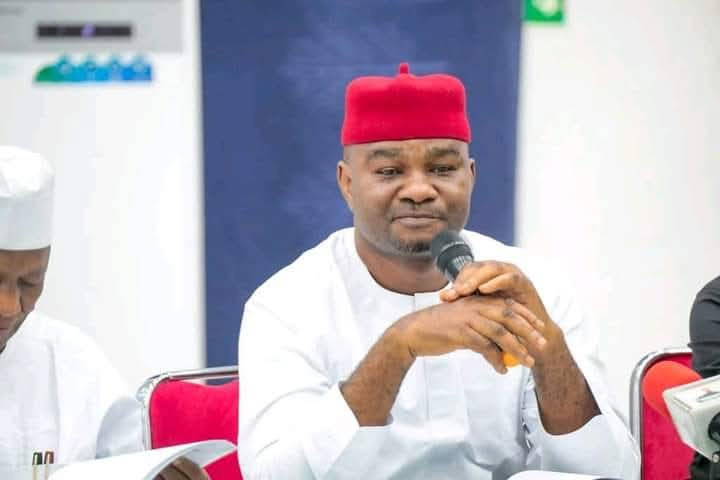
By Stella Azi
The Raw Materials Research and Development Council (RMRDC) Bill before the Senate of the National Assembly, to ensure local processing of at least 30% raw materials before export scales 2nd reading Today, Tuesday, December 10, 2024.
The Local Raw Materials Protection draft legislative Bill, sponsored by Senator Nwebonyi Onyeka Peter, from Ebonyi North Senatorial District, is imperative for fostering Nigeria’s industrial growth and development through value addition locally. The Bill seeks to amend the RMRDC Act 2022 to prioritise domestic production and local manufacturing.
During the plenary session at the Senate sitting, Senator Onyeka argued that the draft Bill when passed to law, would transform the national economy by boosting local manufacturing, create job opportunities, reduce import dependence, and ease pressure on foreign exchange demands.
The Senator said that Bill will regulate the importation of raw materials that could have been processed locally, thereby boosting competitiveness and creating a favourable environment for local industries to flourish.
“Promoting local processing to a minimum of 30% or more will add value to our economy, … It will also encourage innovation within local industries, leading to a significant increase in domestic production”, he said.
At its second reading, the Raw Material Protection Bill received overwhelming support of by the House. The Deputy Senate Minority leader, Senator Lere Oyewumi raised concern on the practicality of the Bill; considering raw materials processors who lack capacity for local processing. He stated that strict enforcement may affect manufacturers who rely on import of such raw materials therefore, resulting to lose. He argued that such scenario be taken into consideration.
Earlier, during a chat with journalists, the Director General and Chief Executive officer RMRDC, Prof. Nnanyelugo Martin Ike-Muonso had noted that the Bill seeks to fortify Nigeria’s Local manufacturing sector, reduce dependency on imports and ensure sustainable economic development, through the promotion of local processing and value addition to the nation’s raw materials resources.
He further noted that, when passed, the Bill will ensure that no raw materials are exported without undergoing a minimum of 30% processing locally, adding that this significant stride in national raw materials and manufacturing policy reform will provide Nigerians with more forex for raw materials sourcing, protect natural our resources, and catalyse domestic processing capabilities in the country.



Business
FG, Investonaire Academy Unveil National Programme to Equip 100,000 Youths with Financial Skills, Digital Wealth Tools
By Joel Ajayi
The Federal Government, in collaboration with Investonaire Academy, has unveiled a nationwide financial literacy and wealth-building programme targeting more than 100,000 young Nigerians. The initiative is designed to equip participants with practical skills in budgeting, saving, investing, asset building, and long-term financial planning, positioning them for sustainable prosperity in a rapidly evolving economy.
Launched on Tuesday in Abuja, the Honourable Minister of Youth Development, Comrade Ayodele Olawande, described financial literacy as a necessary survival tool for young people confronting today’s economic realities.
He noted that the initiative represents the foundation of a broader vision expected to extend beyond Nigeria to other African nations and global markets.
Reaffirming the Federal Government’s commitment to supporting over 4,000 corps members annually, the Minister said the programme will provide platforms, resources, and skills needed for both job creation and employability.
“The young people who understand money — how to save, invest, build assets, and manage risk — are the ones who will lead Nigeria into prosperity,” he said.
A major highlight of the launch was the expansion of the Nigeria Youth Academy, a digital platform offering mentorship, training, and startup support. According to the Minister, more than 200 startups will receive empowerment through the Academy’s e-app platform before the end of the year.
He stressed the need for deeper collaboration with private organisations, innovators, and youth-focused groups, noting that government alone cannot drive youth development. He further encouraged young Nigerians to embrace skills acquisition, innovation, and digital enterprise, saying these remain critical to reducing the desire for migration and increasing self-reliance.
Outlining the Ministry’s long-term commitments, Olawande emphasized three priorities: supporting youth innovation, equipping them with growth tools, and safeguarding millions of Nigerian youths under the Ministry’s mandate.
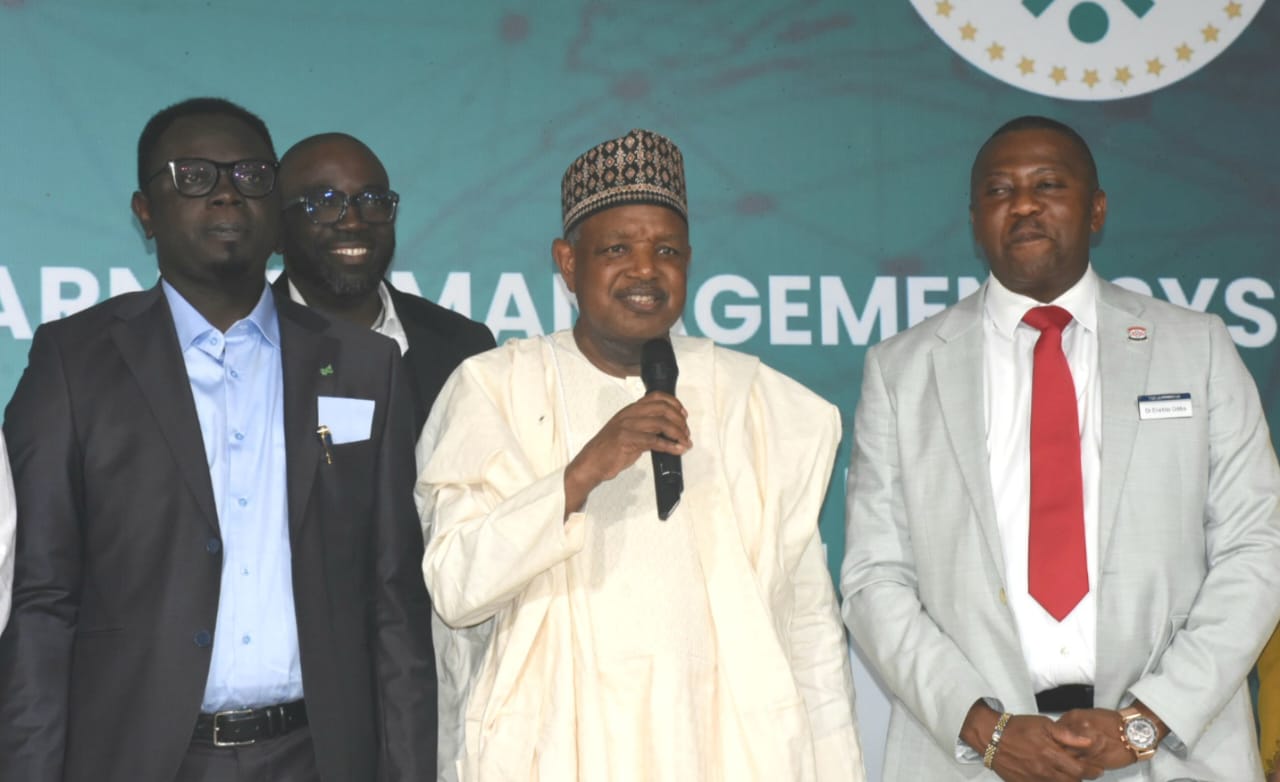
Speaking at the launch, Sebastien Sicre, Chief Operating Officer of Investonaire Academy, said the programme was crafted to revolutionize the way Nigerian youths learn and apply financial knowledge. He highlighted the Academy’s gamified Learning Management System (LMS), which offers interactive learning tools, community forums, and real-time mentorship to make financial education engaging and accessible.
Complementing the digital platform is a new 200-square-metre physical training centre in Abuja, opposite the NNPC Towers, where in-person workshops and mentorship sessions will take place.
The curriculum covers key global asset classes — including equities, commodities, forex, and indices — ensuring participants gain a broad understanding of financial markets.
Sicre added that with Federal Government backing, the programme seeks to unlock new opportunities, strengthen youth participation in the digital economy, and reward outstanding participants through a $1 million funding pool to support new and existing ventures.
International Programme Director of Investonaire Academy, Dr. Enefola Odiba, explained that the initiative aims to bridge long-standing gaps in financial education among Nigerian youths. While schools teach many subjects, he said, essential financial skills are often missing.
“Many people can earn money — earning money can be easy. The real challenge is retaining, managing, and growing that money,” he noted.
Referencing the Central Bank of Nigeria’s definition of financial literacy, Odiba stated that implementation remains a major national challenge. He said the initiative brings together government agencies, youth groups, academic institutions, and private-sector partners to translate strategy into measurable impact.
The programme’s curriculum covers budgeting, saving, investing, and financial planning — areas where many young people struggle. By offering practical training, real-world insights, and guided mentorship, the initiative aims to build a generation of financially empowered youth capable of driving innovation, entrepreneurship, and sustainable economic growth.
With this partnership, the Federal Government and Investonaire Academy share a common goal: to empower young Nigerians with the financial intelligence and digital tools needed to build wealth, grow businesses, and transform the nation’s economic future.
-
 Featured6 years ago
Lampard Names New Chelsea Manager
-
 Featured6 years ago
FG To Extends Lockdown In FCT, Lagos Ogun states For 7days
-
 Featured6 years ago
Children Custody: Court Adjourns Mike Ezuruonye, Wife’s Case To April 7
-
 Featured6 years ago
NYSC Dismisses Report Of DG’s Plan To Islamize Benue Orientation Camp
-

 Featured4 years ago
Transfer Saga: How Mikel Obi Refused to compensate me After I Linked Him Worth $4m Deal In Kuwait SC – Okafor
-
Sports3 years ago
TINUBU LAMBAST DELE MOMODU
-

 News11 months ago
Zulu to Super Eagles B team, President Tinubu is happy with you
-
Featured6 years ago
Board urges FG to establish one-stop rehabilitation centres in 6 geopolitical zones