
Sports
Women’s Football Rising: The NWFL’s Vision under Chairman Ms. Nkechi Obi
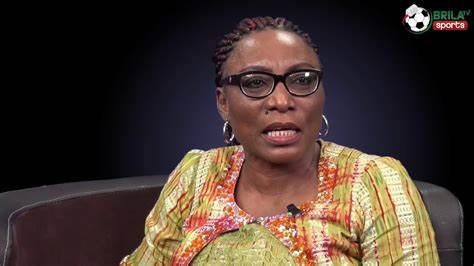
In the heart of Nigerian sports, a revolution is brewing, one that promises to elevate women’s football to unprecedented heights. Spearheading this transformation is the Nigeria Women Football League (NWFL), under the dynamic leadership of Chairman Ms. Nkechi Obi. With a compelling vision and a 5-pronged execution strategy, NWFL is set to redefine women’s football in Nigeria.
The NWFL, founded in 1990, is Nigeria’s premier women’s football league. It has played a pivotal role in developing the talents of female footballers in Nigeria. Under the stewardship of Ms. Obi, NWFL is poised to create a league that is not just competitive but also resonates with fans and garners the attention it deserves.
The league recognizes the immense potential of women’s football in Nigeria. It’s not just about the game; it’s about empowerment, gender equality, and nurturing a new generation of female athletes. NWFL aims to harness this potential and propel women’s football into the national spotlight.
In a decisive move, the newly appointed Board of the Nigeria Women Football League (NWFL) has embraced FIFA’s women’s development strategy, setting in motion a series of visionary objectives aimed at revolutionizing women’s football in Nigeria.
A pivotal objective of this strategy is in enhancing competition, designed to elevate the standard of play, ensuring that fans remain engaged and thrilled by the competitive spirit exhibited on the field.
NWFL is resolutely committed to the grassroots growth of the women’s game and expanding the number of clubs, particularly in the States and local government areas. This drive aims to cultivate a broader talent pool that taps into local potential, giving rise to the stars of tomorrow.
Participation is key, and the NWFL seeks to open the doors wider for players and personnel to enter the women’s football ecosystem. By doing so, it aims to create a vibrant and inclusive community.
Recognizing that growth is often a collective endeavour, the NWFL is actively forging alliances and partnerships with like-minded organizations. These collaborations will be instrumental in propelling the growth of women’s football.
The league’s commitment to the sport extends beyond the players and fans. It includes engaging all stakeholders, from state football associations, clubs, players, coaches, fans, agents, corporate Nigeria, commercial partners, to policymakers, etc., to ensure that the future of women’s football is a collective and well-rounded effort.
NWFL has introduced, subject to ratification at the Annual General Assembly, a ground-breaking 3-league structure of 216 Clubs comprising 16 Premiership, 20 Championship, and 180 States League clubs, (up from the previous 36 clubs – Premiership: 14; Championship: 12; Nationwide (now States Leagues): 10 clubs). This tiered system is a strategic move that offers players the opportunity to nurture and refine their skills at various levels, thus fostering a robust pipeline of talent for the future.
This immediate expansion will ensure that over the season, about 820 matches will be played on Tuesdays and Wednesdays, every week; keeping over 7,000 players, coaches, and officials fully engaged.
The adoption of FIFA’s women’s development strategy by the NWFL signifies a bold step towards the advancement of women’s football in Nigeria. With a focus on competitiveness, grassroots growth, inclusivity, a funding model, and strategic partnerships, NWFL is poised to make a lasting impact on the sport’s landscape.
NWFL understands that success is a team effort. Collaborations and partnerships with like-minded organizations and stakeholders are essential to realizing their vision. Leveraging the league’s new stakeholder engagement drive – Women Football Rising©, several initiatives have been designed, including the “He4She© Campaign”, a transformative movement that aims to unite Influential men in Nigeria to support and empower women’s football and the “Sisterhood© Campaign”, aimed at harnessing the collective power of women across professions, businesses, religious, social, and cultural groups to empower women’s football.
The “Football and the Girl Child© Campaign”, is also an initiative that seeks to engage communities in the six geo-political zones of Nigeria and the FCT, to promote the safety, security, inclusivity, and personal development of the girl child through grassroots football, while “Class to Pitch©”, a collaboration with Sports Business Institute, aims to train more professionals in the women football ecosystem (coaches, referees, etc).
Stakeholder engagements across the states and clubs have already begun, with the board engaging Nasarawa, Adamawa, Kogi states, and FCT Clubs in Abuja. The familiarization tour has visited Delta, Imo, Ekiti, and Ondo States and the engagements will continue up to and after the Annual General Assembly.
NWFL’s goal is to deliver a women’s football league that is fiercely competitive, with fans on the edge of their seats, brimming with distinct appeal, and governed to the highest standards. Ms. Nkechi Obi’s leadership and the NWFL team’s dedication, are steering the league towards this vision and the journey under this leadership promises a brighter future for women’s football in Nigeria.
With a strategic roadmap, grassroots focus, collaborations, and unveiling of the Women Football Rising©, platform, the NWFL is set to rise and shine on the global football stage. The women of Nigeria are ready to take their place in the spotlight, and NWFL is leading the way.



Sports
SWAN President Calls for Gender-Fair Reporting in Sports Journalism
By Joel Ajayi
The President of the Sports Writers Association of Nigeria (SWAN), Isaiah Kemje Benjamin, has urged sports journalists to eliminate gender stereotypes and bias in their reports to promote fairness, inclusion and greater visibility for women in sports.
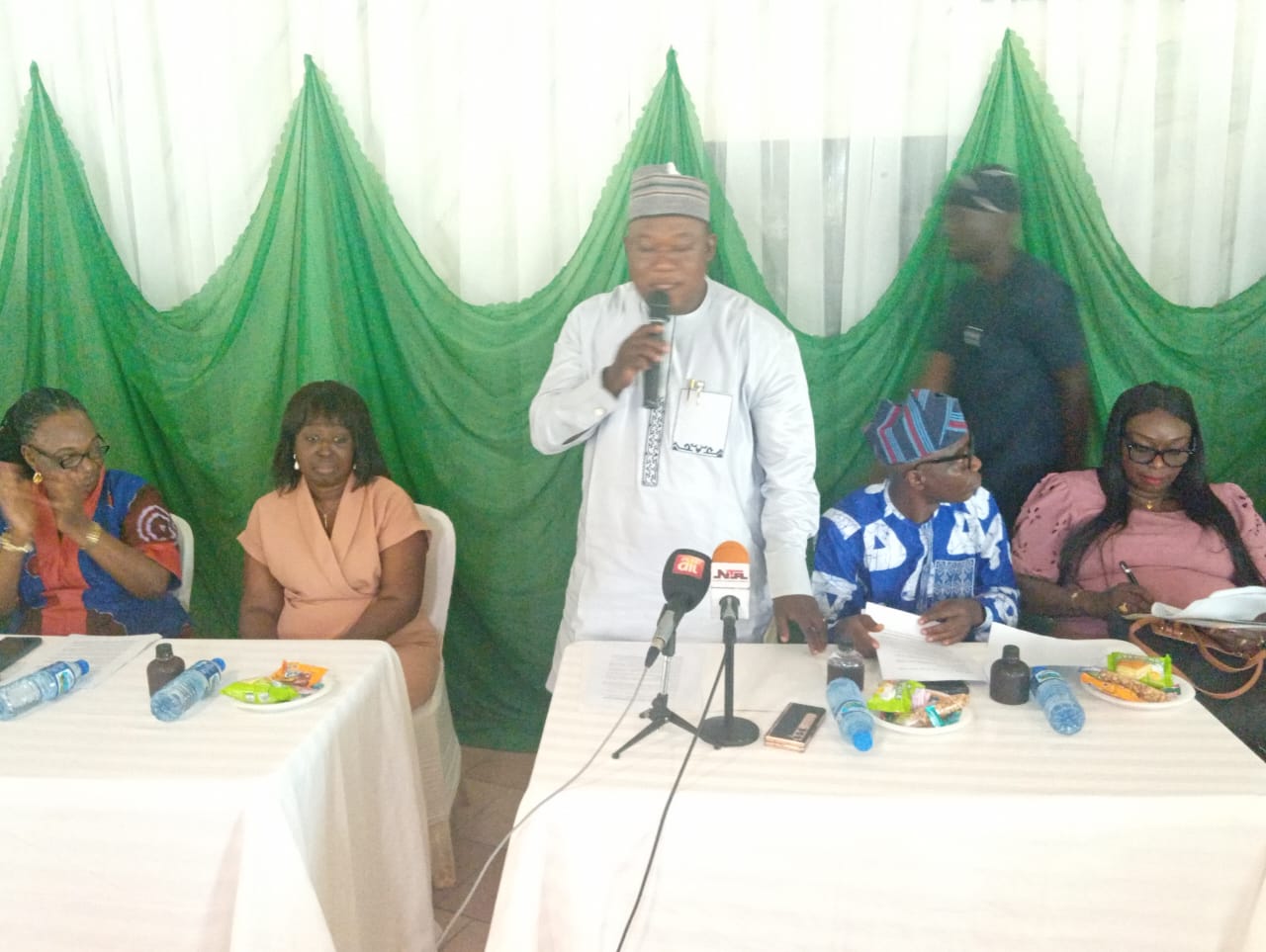
Benjamin made the call on Monday in Abuja while delivering a presentation titled “Gender-Sensitive Journalism: Removing Gender Stereotypes and Bias in Sports Reporting” at the Annual Women in Sports Leadership Training/Seminar for Journalists, organised by the Women Commission of the Nigeria Olympic Committee (NOC).
He said sports journalists play a critical role in shaping public opinion, influencing athletes’ visibility and determining which achievements receive recognition, sponsorship and investment.
According to him, the way the media reports women in sports can either reinforce existing barriers or help dismantle them.
Benjamin explained that gender-sensitive journalism requires fairness, accuracy, equality and inclusion, stressing that it does not mean giving female athletes favourable coverage or shielding them from legitimate criticism.
He identified common forms of bias in sports reporting, including giving men’s competitions greater prominence, focusing on female athletes’ appearance rather than performance, defining women by their marital or family status, and questioning their competence in leadership positions.
The SWAN president urged journalists to adopt respectful language, apply consistent professional standards and extend coverage beyond national teams to domestic leagues, grassroots competitions, female coaches, referees and sports administrators.
Using Nigeria’s sporting landscape as an example, he said the achievements of the Super Falcons deserved sustained analysis beyond match results, including discussions on investment, player development, professional leagues and grassroots structures.
He also noted that digital platforms offered opportunities to expand coverage of women’s sports but warned journalists against sensationalism, online harassment and sexist commentary.
Benjamin proposed seven measures, including gender-sensitive editorial guidelines, regular coverage audits, diversified sources, professional development, stronger grassroots reporting and measurable progress.
He called on SWAN to collaborate with the NOC, sports federations, leagues and clubs to improve access to information and strengthen women’s visibility in sports.
He urged journalists to ensure that athletes are judged by their performances and achievements rather than gender stereotypes.
“Gender-sensitive journalism must be fair, not favourable,” he said, emphasising that responsibility for change rests with reporters, editors, broadcasters, photographers and digital publishers.
-
 Featured7 years ago
Lampard Names New Chelsea Manager
-
 Featured7 years ago
FG To Extends Lockdown In FCT, Lagos Ogun states For 7days
-
 Featured7 years ago
Children Custody: Court Adjourns Mike Ezuruonye, Wife’s Case To April 7
-
 Featured7 years ago
NYSC Dismisses Report Of DG’s Plan To Islamize Benue Orientation Camp
-

 Featured5 years ago
Transfer Saga: How Mikel Obi Refused to compensate me After I Linked Him Worth $4m Deal In Kuwait SC – Okafor
-
Featured7 years ago
Board urges FG to establish one-stop rehabilitation centres in 6 geopolitical zones
-
Sports4 years ago
TINUBU LAMBAST DELE MOMODU
-

 News2 years ago
Zulu to Super Eagles B team, President Tinubu is happy with you













