
Featured
#100DaysinOffice: Senator Enoh’s Vision Propelling Nigeria’s Grassroots Sports Development
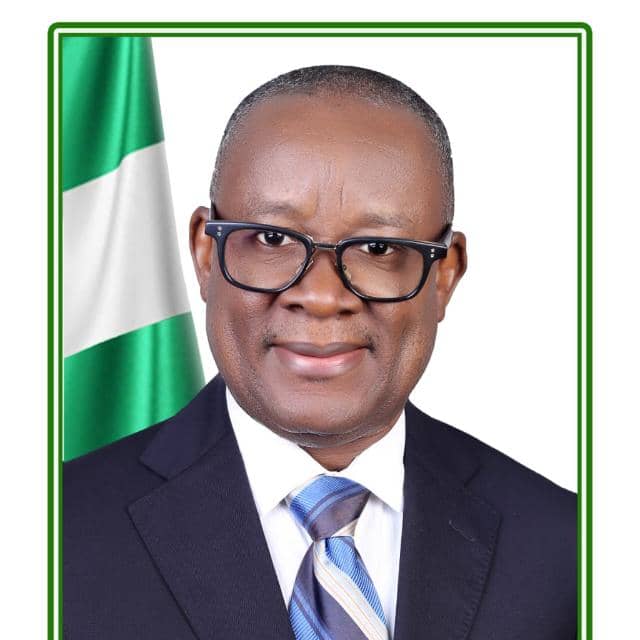
In a bold stride toward reforming Nigeria’s sports landscape, Senator Owan Enoh has proven his mettle and capability to handle the Ministry of Sports Development, a ministry that attracts the eyes and criticisms of millions of Nigerians, owing to their passion for sports.
With 100 days passing since his appointment as Nigeria’s Minister of Sports Development, Senator Enoh has taken the enormous responsibility with vigor, vision, and vitality. The subsector of grassroots development, is an area that has always needed attention in Nigerian sports. How has Enoh performed in this regard after 100 days?
In a strategic move aimed at bolstering grassroots sports development in Nigeria, the Minister embarked on an ambitious agenda, swiftly garnering attention for its potential to transform the nation’s sports landscape.
From outlining strategic targets, to meeting stakeholders, to visiting grassroots locations, to wooing investors, to enacting action points, etc., Senator Enoh has shown his determination to catalyze a change in the system.
In one of his media statements during a visit to Ajegunle, a suburb in Lagos reknowned for sports talents, Senator Enoh outlined pivotal objectives of his ambitious drive, which showed a man with a vision. Nigeria boasts an abundance of raw sports potential at the grassroots level. It is our responsibility to harness and cultivate these talents by providing them with the requisite facilities, coaching, and opportunities for growth.
What approaches have the Minister Taken?
- Rejuvenating the Mission of the National Youth Games
While this may sound ordinary, it was important for an authority to restore default settings as to the purpose of the National Youth Games. The Games which was for young talents was becoming a “win-at-all-cost” championship, with states using over-aged athletes.
The Minister gave the marching order, reiterating the main focus of the Games will be to unearth young talents for the country, who would possibly take on the baton at the elite stage in a few years. He enforced an age cap of 15 years for the Games, with over 35 sports featured at the Games. He once was quoted as saying “The National Youth Games is for young athletes who are 15 years and under. It is at this level that we can find the next Victor Osimhen, heir apparent to Tobi Amusan, a protege for Funke Oshonaike and Aruna Quadri.” This action left stakeholders impressed at his determination to ensure the Games was still fit-for-purpose. - Schools Sports for Grassroots Talent Identification
A paramount focus lies in establishing talent identification programs across schools, communities, and rural areas. This initiative aims to cast a wide net, ensuring that no budding talent goes unnoticed.
Senator Enoh has not hidden his determination to return to the glory of the National School Sports Championship. During a radio engagement with Nigerians on Brila Media’s Sports Fans Parliament, the Minister stated that Nigeria’s journey towards sporting excellence hinges on the strategic provision of essential sports infrastructure and nurturing talents at the grassroots level. He added that a critical first step towards this noble goal involves a rejuvenation of the school sports system.
Nigeria has always wanted a Minister who will commit to the rejuvenation of school sports, given the enduring legacies the country has enjoyed from it. In his address, the Minister stated “school sports would come back. The ministry is going to collaborate with the Federal Ministry of Education, because they are going to be a necessary partner in this.” Of course, this left a smile on the face of many. He has followed up this statement with a visit to Nigerian breweries, a critical funding partner of school sports in years past.
- Coaching and Education:
Investing in the training and development of coaches is fundamental. In his first 100 days in office, Senator Enoh has emphasized the importance of nurturing skilled trainers who can effectively mold young athletes and instill in them a passion for sportsmanship and discipline.
While this is commendable, action will always be needed. He followed up with action when he wooed renowned sports innovations and education outfit, Barca Innovation Hub, owned by Spanish giants, FC Barcelona when he attended the World Football Summit. After initial contact, the hub expressed readiness to work with Nigeria. They are known for their expertise in coaching education, sports nutrition, sports analytics, sports business, science, as well as related technology and innovation. This will go a long way in enhancing the coaching and education profile of Nigerian coaches.
Nigeria’s delegation at the World Football Summit, led by the Honourable Minister of Sports Development, Senator John Owan Enoh also had fruitful engagements with the Sri Lankan Government officials, who revealed their desire to offer technical support and education for the development of cricket and hockey in Nigeria. Sri Lanka has steadily ranked amongst top nations in cricket globally, since 1965, when it joined the International Cricket Council (ICC). The South-Asian nation were ICC World Cup champions in 1996 and emerged runners-up in 2007 and 2011. In the T20 World Cup, Sri Lanka were champions in 2014 and finished runners-up in 2009 and 2002. The nation sits in history as six-time champions of Asia, 2002 Asian Test winners and gold medalists in cricket during the 2014 Asian Games. These are definitely good times!
- Grassroots Competitions:
To provide a platform for showcasing emerging talent, Ministry sources have divulged that plans are underway to organize local and regional competitions. These events will not only foster healthy competition but also serve as a stage for scouts and talent spotters. In his first week in office, the Minister communicated with the presidents and leadership of all National Sports Federations to report for review and strategic repositioning meetings. He told all sports federations to organize multiple talent-unearthing events yearly, across the country. This move has the potential to galvanize the entire sports ecosystem. - Collaboration and Partnerships:
The Honourable Minister has been at the forefront of calling and building collaborations with various stakeholders, including sports federations, corporate entities, and NGOs, to amplify the impact of these initiatives and ensure sustained support for grassroots sports. What has been impressive about Enoh’s first 100 days in office is his constant reiteration of the private sector standing as the fulcrum of sports sponsorship.
In a move aimed at bolstering Nigeria’s sporting industry and ensuring the continued growth of various sports disciplines, Enoh paid a working visit to Nigerian Breweries Plc headquarters in Lagos in October, to discuss potential sports investment opportunities. The visit marks a significant step towards fostering collaboration between the government and the private sector to advance the nation’s sports landscape.
Senator Enoh’s unwavering determination and hands-on approach have garnered praise from within the sports community. Athletes, coaches, and administrators have expressed optimism about this first 100 days.
However, challenges are not far from the horizon, primarily concerning funding, logistical hurdles, and the need for seamless coordination among various administrative bodies. Nevertheless, Senator Enoh remains undeterred, emphasizing that the long-term benefits of investing in grassroots sports far outweigh the present challenges.
As Nigeria continues to anticipate more results that will emanate in the future, the nation stands united in support of Senator Owan Enoh’s vision, recognizing the pivotal role grassroots sports play in shaping the future of Nigerian sports.
With a resolute commitment to nurturing young talent and bolstering infrastructure at the foundational level of sports, Senator Enoh’s strategic approach is poised to chart a new trajectory for Nigerian athletics.



Business
Turning Africa’s Raw Materials Into Wealth: The ARMS 2026 Industrial Agenda
By Joel Ajayi
For decades, Africa’s vast natural resources have powered industries and economies far beyond the continent, while many African countries have remained largely exporters of unprocessed commodities and importers of finished products.
That familiar pattern is now coming under renewed scrutiny as policymakers, researchers, investors and industrialists seek to change the direction of Africa’s resource economy.
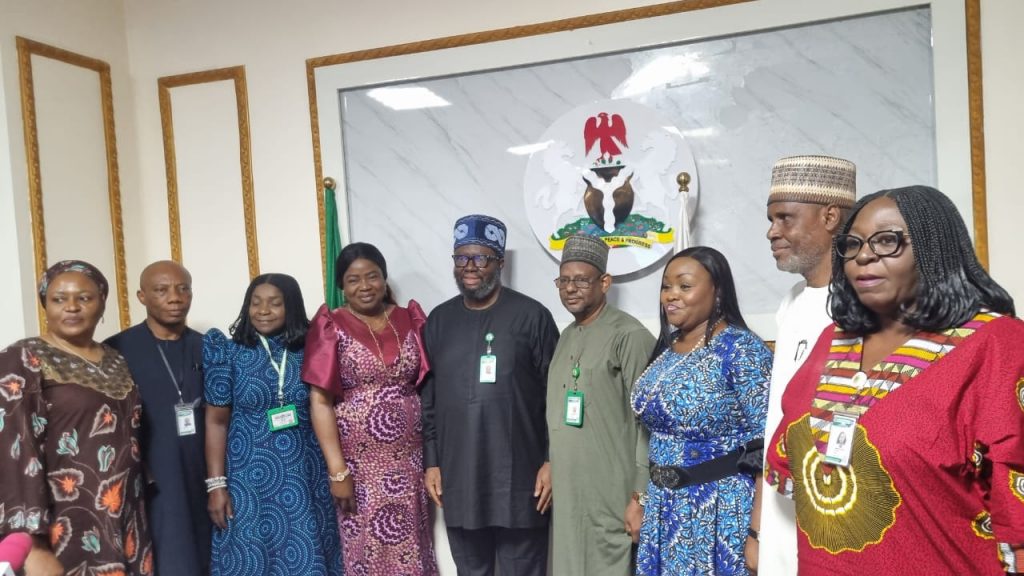
At the centre of that conversation is the second edition of the Africa Raw Materials Summit (ARMS 2026), scheduled for October 19 and 20 at the Abuja Continental Hotel, Abuja, under the theme: “From African Feedstock to African Factories.”
Organised by the Raw Materials Research and Development Council (RMRDC), the summit is being positioned as more than another gathering of policymakers and industry stakeholders. It is intended to provide a platform for confronting the structural challenges that have kept African raw materials largely disconnected from local manufacturing.
Africa has for years operated largely within a “pit-to-port” economic model, exporting raw materials while importing expensive finished products.
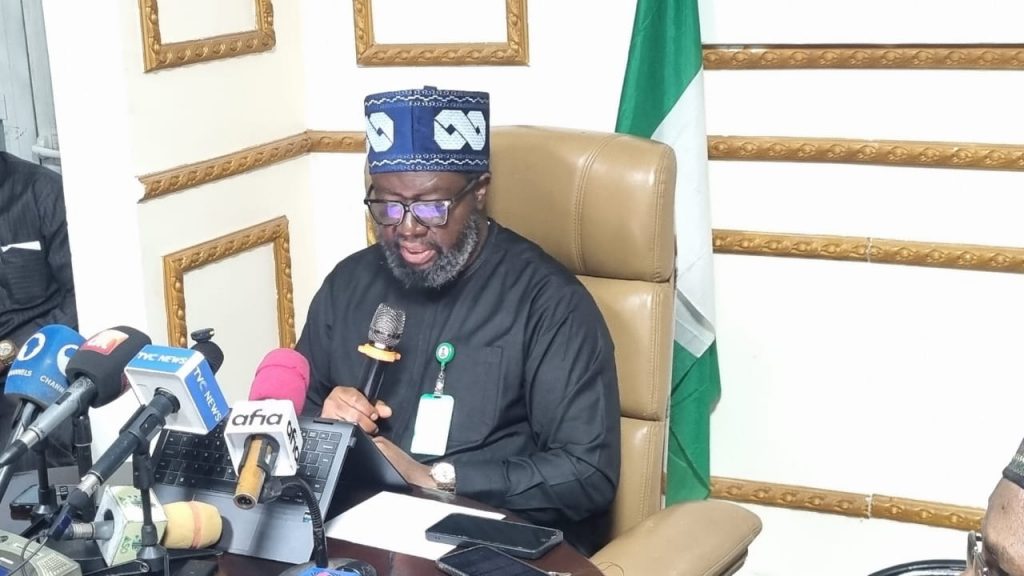
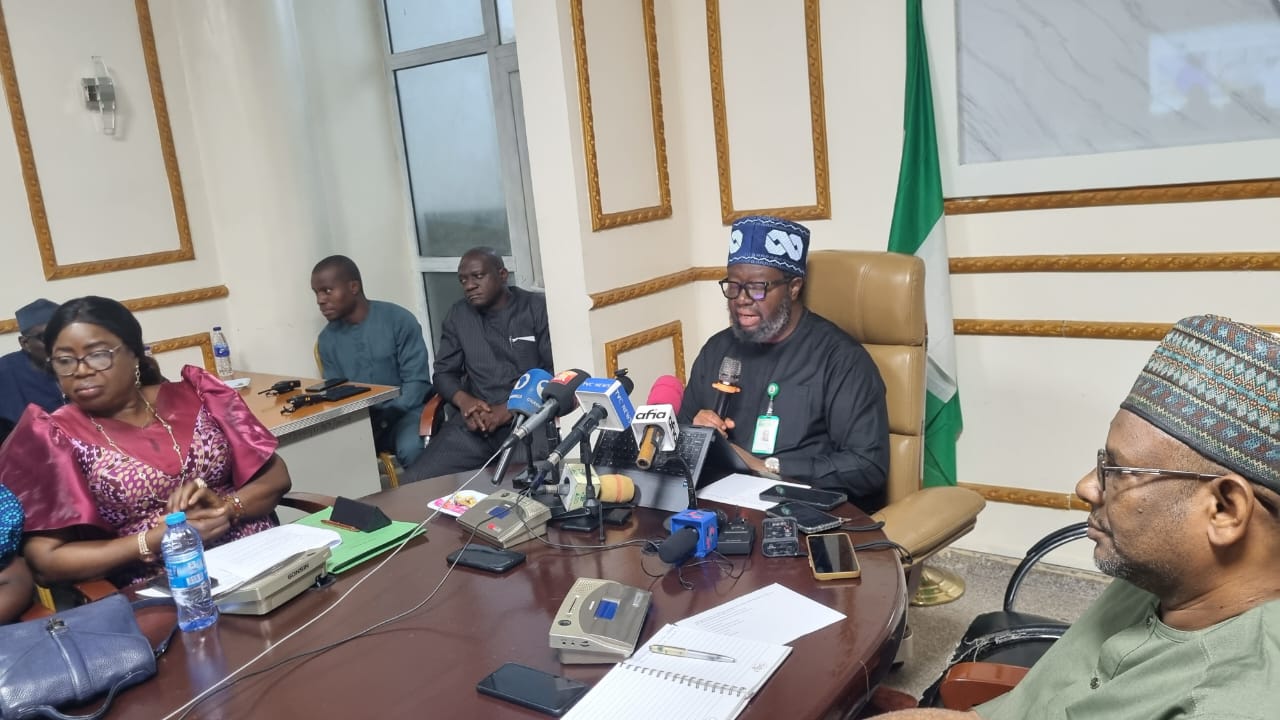
Speaking at a press conference ahead of the summit on Tuesday in Abuja, the Director-General and Chief Executive Officer of RMRDC, Prof. Nnanyelugo Martin Ike-Muonso, said the event would bring together policymakers, investors, researchers, technology providers and industrialists to develop practical strategies for transforming Africa’s abundant natural resources into industrial wealth.
The challenge, therefore, is not simply the abundance of resources, but the continent’s ability to transform those resources into industrial value, employment, technology and wealth within Africa.
Nigeria alone, according to the RMRDC, has more than $582.4 billion in documented non-renewable natural resources, while the wider continent possesses substantial deposits of critical minerals, agricultural raw materials and industrial feedstock.
Yet, the benefits of this resource endowment have often been constrained by inadequate processing capacity, weak infrastructure, limited technology, financing gaps and fragmented regional value chains.
From Dialogue to Industrial Action
ARMS 2026 builds on the maiden edition held in May 2025, which attracted more than 1,000 delegates from across the world.
The inaugural summit also witnessed the unveiling of the Ten-Year Raw Materials Transformation Roadmap (2025–2034) by the Minister of State for Industry, Senator John Owen Enoh.
The roadmap was designed around areas including technological capability, climate-resilient processing and backward integration, establishing a policy framework for greater domestic utilisation of Africa’s raw materials.
The second edition is expected to move the conversation further by bringing policy, capital, technology and industrial stakeholders around practical mechanisms for turning raw materials into locally manufactured products.
One of the major proposals highlighted by the RMRDC is the 30 per cent Mandatory Value Addition Bill, which seeks to establish a statutory minimum level of value addition to Nigerian raw materials before export.
The Council says the proposed framework could support job creation, import substitution, foreign-exchange conservation and increased manufacturing contribution to the economy.
Building the Infrastructure for Value Addition
The industrial transformation envisaged by ARMS 2026 goes beyond legislation.
A major concern is the “missing middle” between where raw materials are produced and where factories are located.
Poor transportation networks, inadequate cold-chain facilities, weak rural roads, limited testing and certification infrastructure and border-related delays can make locally sourced materials more expensive and less competitive.
Consequently, logistics and infrastructure constitute one of the five principal pillars of the summit.
The objective is to develop more reliable corridors connecting farms and mines with processing centres and manufacturing facilities, thereby reducing losses and improving the movement of industrial inputs.
The Digital Dimension
Technology is also becoming an important part of the Council’s strategy.
The RMRDC says it has developed the Nigeria Integrated Information Statistical System for Raw Materials and Products (NISSRAMP), described as a digital repository containing information on feedstock deposits, specifications, production outputs and industrial absorption rates.
The Council has also highlighted its transition towards paperless operations and its certification as a Data Controller/Processor of Major Importance by the Nigeria Data Protection Commission.
Such digital infrastructure could provide investors and manufacturers with better information about the availability and characteristics of raw materials while supporting more informed industrial planning.
Turning Waste Into Industrial Inputs
Another major component of ARMS 2026 is the proposed expansion of the circular economy.
The summit will examine how agricultural by-products, mine tailings, scrap metals and biomass can be recovered and reused as inputs for new production processes rather than being treated simply as waste.
The RMRDC argues that such an approach could lower raw-material costs while supporting more sustainable and climate-resilient manufacturing systems.
For Africa, where industrial expansion must increasingly balance economic development with environmental considerations, waste industrialisation could become an important part of the continent’s manufacturing conversation.
From National Production to African Value Chains
The African Continental Free Trade Area is another important element of the summit’s agenda.
The RMRDC sees AfCFTA as an opportunity to create regional value chains in which raw materials sourced in one African country can be processed and supplied to manufacturers in another.
Under such a model, Africa would move beyond simply exporting commodities to external markets and develop stronger internal networks for supplying chemicals, refined minerals, agricultural inputs and other industrial materials across national borders.
This approach places regional integration at the heart of Africa’s industrialisation strategy.
Bridging Research and Capital
A recurring weakness in many developing economies is the gap between research and commercialisation.
Innovations may emerge from universities, research institutions and laboratories without receiving the financing, equipment or market connections required to become commercially viable.
ARMS 2026 intends to address that gap through technology commercialisation and capital linkages, connecting research outputs with investors, development finance institutions and industrial off-takers.
The RMRDC has also cited partnerships with the Bank of Industry for commercial-scale post-harvest processing and a South-South technology-transfer partnership with the National Innovation Centre par Excellence in Shanghai, China.
A Larger Industrial Conversation
The scale of ARMS 2026 is expected to be significantly larger than the maiden edition.
The organisers project more than 1,800 delegates from all 54 African countries and global industrial partners.
The programme will feature high-level policy dialogues, technical panels, an advanced raw materials and technology exhibition, industrial site visits and the African Raw Materials Industry Awards.
The exhibition, in particular, is expected to showcase locally fabricated processing machinery, advanced domestic materials, green chemicals and engineered commercial inputs.
Beyond the speeches and exhibitions, however, the real significance of ARMS 2026 will ultimately depend on what happens after the summit.
Africa’s challenge has never been a shortage of raw materials. The more difficult question has been how to transform those resources into factories, products, skilled employment, technology and sustainable economic opportunities.
For Nigeria and the rest of the continent, the proposed shift from “pit-to-port” to “feedstock-to-factory” therefore represents a broader debate about the future structure of African economies.
ARMS 2026 seeks to place that debate firmly on the industrial agenda — with value addition, technology, finance, infrastructure, circular production and regional trade at the centre.
If the commitments and partnerships generated by the summit translate into measurable industrial activity, the event could provide another platform for Africa to examine how its enormous resource base can support stronger domestic manufacturing.
The message from the organisers is clear: the continent’s raw materials should not only leave African soil as commodities; they should increasingly become the foundation for African industrial production
-
 Featured7 years ago
Lampard Names New Chelsea Manager
-
 Featured7 years ago
FG To Extends Lockdown In FCT, Lagos Ogun states For 7days
-
 Featured7 years ago
Children Custody: Court Adjourns Mike Ezuruonye, Wife’s Case To April 7
-
 Featured7 years ago
NYSC Dismisses Report Of DG’s Plan To Islamize Benue Orientation Camp
-

 Featured5 years ago
Transfer Saga: How Mikel Obi Refused to compensate me After I Linked Him Worth $4m Deal In Kuwait SC – Okafor
-
Featured7 years ago
Board urges FG to establish one-stop rehabilitation centres in 6 geopolitical zones
-
Sports4 years ago
TINUBU LAMBAST DELE MOMODU
-

 News2 years ago
Zulu to Super Eagles B team, President Tinubu is happy with you