
Featured
PERSONALITY INTERVIEW: POSITIVE IMPACT OF NEXT DIGITAL TV DEAL WILL SOON MANIFEST- SHEHU DIKKO
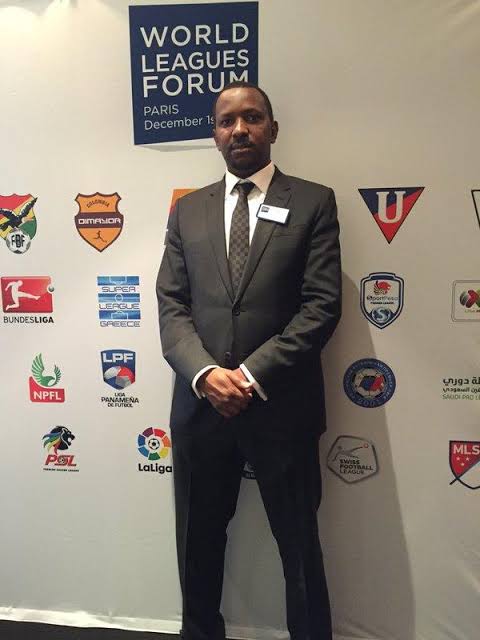
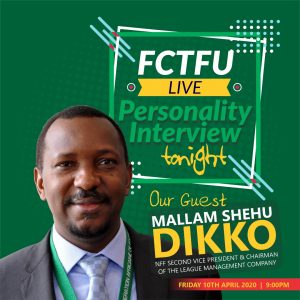
Mallam Shehu Dikko is the Current Chairman of the League Management Company LMC responsible for the management of the Nigerian Professional Football League, NPFL, the 2nd Vice President of Nigeria Football Federation, Studied Quantity Surveying, Master Business Administration, he went into football administration in Nigeria in 2004, a FIFA Goal Project Manager (Nigeria), the former Secretary of Super Eagles Bonus Row and Code of Conduct, and a Member of various CAF and FIFA Working Committees in this Interview with MEMBERS OF FCT FOOTBALL UPDATE, of which Joel Ajayi of THE GLEAMER ONLINE NEWS a member. He spoke about the progress, prospects, challenges of NPFL, Referees indemities, Sponsors, Impact of Covid-19 on the league amongst other. Excerpts.

Sincerely speaking, I will like to Commend the LMC for its doggedeness and some little breakthrough concerns NPFL, despite the toxic football environments, so to say. It like over 3 months that a partnership deal was signed with Next Digital Television for NPFL and some others corporate bodies for NPFL’s broadcast nothing has been heard. Sir when will NPFL be on screen again?
Many thanks for the compliments. With regards to the Next Digital arrangement, I assure you all is going well as plan, and I can understand the eargenes and may be inquiries of many football lovers,. This is because the transanction is totally unique and has not been done before here so technically, it’s a road less travel here thus, it’s normal to get this inquiries until it’s sinks in. It’s not a traditional Arrangement we are use to.
First and foremost as we have explain severally that, this transaction is a comprehensive arrangement for the harnessing and commercialization of NPFL media and commecial properties which stand on four pillars as follows:
Investment Into the league to keep it going as a business/operational concern and investment to set up a competent production capacity to produce the NPFL matches and events to the best possible quality.
Another pillar are (a.) distribution of the contents produced in (b) above across all media platforms like OTT, Cable and FTA both locally and internationally. (c)commercialization of the contents produce and distributed as per (d) above, exploitation and commercialization of other revenues streams available to the NPFL like elite sponsors, partners, advertising, mobile etc and thus generate huge resources for the league collectively.
It’s the forecast of the potential revenues to be earned all being equal from (d) above that will now be available to the JV for for distribution to the league as per agreed in the agreement etc. so from above you can see it’s a long term plan and require huge investment and we actually going back to put the sustainable foundation.
Of course , so far a lot has been achieved such as first, already part of the investment is coming into the league as agreed with the first tranche met.
Second one is Next Tv already exploring and working on several options to set up the production capabilities as envisaged using both domestic competence and their partners abroad.
Thirdily, already Next have developed the OTT APP and is available on PlayStore and would be on Apple soon. Already and MoU is in place with 9 mobile to offer subscribers Special data packages that come with the NPFL-NEXT OTT APP. Once the games are produced they will be available on the OTT APP and would Also be made available to other platforms on FTA and Cable . So, the NPFL games would be everywhere. Going forward an NPFL TV channel is envisage to be developed which will also be on OTT and Cable.
So, as at the time the league got suspended testing was about to start on the OTT with few games targeted for last week of March. But by and large, once we resumed the project continues as planned and we will see some games on the OTT which will be available on FTA mostly likely.
So, please just be patient as we are on a road less travel and for the long term. It’s the same of structure that was used in several leagues across the world to optimized their media and revenues which we all cherish today.
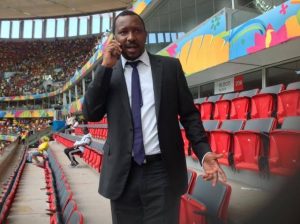
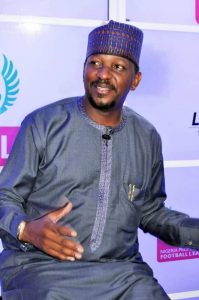
Covid-19 has dealt a huge blow to the league. What is LMC doing to get over it especially at the end of lockdown?
As per the COVID-19, we are not working in isolation, it’s a global mater and we are being guided on what like FIFA, CAF will direct and also how our domestic situation develops. We are hopeful Nigeria will Conquer this pandemic soonest and we get our lives back to normal and get the green light to resume football.
Sir, what proactive steps are the LMC taking in seeing to a successful conclusion of the league when and if it resumes or are we looking at a possible order of ‘ necessity’?
Well, just two days ago FIFA have issued a guideline to assist guide federations and leagues deal with the issues and impact of the disruption caused by the COVID-19.
Luckily my commitee in FIFA, the FiFA Football stakeholders committee was instrumental in drafting this regulations and thus am well abreast, so we will use it as benmark to take all necessary steps to ensure we conclude the league accordingly and the integrity of the competition sustained.
Already, we have so many options being evaluated and will be presented to our members, so we can take collective decision based on the realities of when we get out of this pandemic. But be assured our number one priority is completing the league.
Then we will apraise where we are and see what to do. But already we are working on so many options and possibilities both in dealing with the impact now and also the post COVID 19 decisions.
Do the NPFL have a sponsor? If no, who and who were responsible in raising funds for the LMC to commence the current season?
Well, I honestly believe the advertising boards around our match venues are not for decoration but meeting obligations to partners accordingly.
Please recall that, since end of 2015 season, the LMC decided to drop the title sponsorship model (by not renewing with Glo) in favour of multi-sponsorship model (elite sponsors based on industry categorization) the idea was simply that if you sign a title Sponsor and pay say N750m annually but now locked everything means the revenue for the league stops at that.
But if you now go for elites sponsors says 8b based on on industry and earn an average of N300m from each you can now raise like N2.4b annually. And all the brands will run with and promote the NPFL brand. So the elite sponsor model have more benefit both ways financially and brand wise and we adopted it in December 2015.
The EPL also adopted the same model in 2016 dropping Barclays and decided to run with EPL and 7 elite sponsors. We can’t say they copy from us but we did it first and they doing it after us validated our decision as right direction. Many leagues are now doing the same.
So it’s in this drive that we went on to sign NBL (STAR) in 2016 , and later sign others like OCP and 1XBET and even FIRS as partners all in 2017.
Though the fund might not be too large but it helps sustain the league until we resolve the TV. We need TV to achieve the overall objective of getting the 8 elite sponsors at the right value. Thus even in the business plan with Next tv the 8 elites sponsors are part of the revenue forecast.
So it’s the funds this sponsors are chipping in with Next tv now included that is running the show. And this is what we worked with and no one has giving LMC funds from anywhere apart from this sources.
Infact, the LMC since 2016, we do have an arrangement with our bankers and we set up guarantees (on our personal guarantees and revenue securitization) where we can draw funds to run the league pending when the sponsors pay. This has help create some cash flow stability. Since the sponsors make payments only on agreed dates and they can default but we are confident they will always pay and so we offer our personal guarantee and some assets to support this.

Why is it that since week 22 no Referee have collected what is due them (money) from the LMC?
Yes if you see any delayed payment to any match officials, it’s because likely the sponsors has defaulted in payment as per agreed date and we couldn’t activate the bank support in time. But we always ensure this are sorted as priority. LMC spend only what it earned.
Chairman Sir, what do you think will be the implications of this pandemic on Nigeria League and football in general in the country?
Well, honestly the pandemic is affecting the league just as it’s affecting everything’s across the globe. Sports industry generally is one of the worst hit in this, as many things are time bound and even the finances is structured as such.
We can see how global football leagues that we all thought are beyond shock have all been distorted, especially financially, organizationally and legally among others.
We too are on the same boat though, not to their level. For example the second tranche of investment from Next tv was due the week the league was suspended as the investors and all had to delay now including preparation for commencement of testing of the broadcast. We have overdue payables from others which we can’t get now until all is sorted. We have seen how sponsors and broadcast partners are withhelding payments due across the world and we can’t be an exception.
But honestly we also see a silver lining at the end of the day. Once all settled everyone now has realized just like it’s now evident huge investment has to be made into our health sector it’s now evident also huge investment we have been clamoring for into football and indeed sports in Nigeria has to be made as we all now have to see how we can build everything in-house and stop relying on foreign content. So I foresee that we would come out better.
As the Chairman of the apex league in country, are you worried that the NNL has not been playing after 5 matches?
With regards the NNL. We all know that the LMC has always been concerned as the apex league to ensure the welfare and sustainability of the leagues below the pyramid NNL inclusive.
We use to offer our support both financially and regulatory when we can, to ensure they keep working. So just before the suspension of football activities, we were all locked in serious conversation led by NFF President and hugely supported by the Minister to ensure we got everything back on track not just for NNL but other leagues.
All will sorted accordingly and we should all appreciate the difficult terrain the leagues are operating since the environment is not really clear and too toxic to drive the private investors confidence.
Sir, paradeventure the League ends this way, would you support the promotion of teams to the NPFL with only five matches played?
Well, we haven’t got to this bridge yet, so this can’t be a consideration at this moment. We hope all will be back to normal soon and we get everything sorted as planned by completing the seasons across board.
What really transpired between LMC and DSTV?
What transpired between LMC and DSTV is a mutual decision between two parties under contact and it’s hinged on economic realities and mutual respect.
Unfortunately, it’s under an NDA arrangement and thus can’t say much. But we still maintain and have an excellent relationship with supersport and parted on mutual terms with understanding that, we will still do business in future once the economy improves .
For example people seems to forget that Super Sport came back and Concluded the coverage of the 2017 NPFL season, in 2018 worked with LMC on the Atheletico Madrid tour, in 2019 worked with LMC to cover the Super 6 tournament which decided the NPFL champions, and uptill now 9ja made is still running on super sport promoting the NPFL. So we are still cool and we will surely be working together sooner than latter as we want to make available the NPFL content to all platforms.
What has been the major accomplishment of LMC since DSTV pulled out?
I really don’t know how to answer this question or what it seeks to know. DStv or rather TV coverage is only one part of many parts of the league as first and foremost the football has to be organize and played before TV can cover it.
Yes, TV revenue is the major income stream for any sports, league football inclusive as TV provides over 90% of revenue. So by just ensuring the league football kept being properly played despite the loss of major income stream is a huge huge achievement.
We can all see how European football has suddenly turn upside down with just a few weeks revenue distortion which is mainly TV thus for us to sustain the league this far despite loss of tv revenue is huge.
Meanwhile, we are still working round the clock to retore the TV back on a better arrangement that will optimize both the visibility (more games on tv) and more revenues as envisaged on with the Next tv arrangement.
We first brought Fox Network Group in 2018 and unfortunately at the verge of signing contract the toxic issues set in and we were back to square one until we now got Next TV in 2019 to come onboard and hopefully all will take shape soonest.
Also people need to appreciate that when LMC came on board the TV revenue for the league was mere N150m annually and the TV contract was even under dispute. It was LMC that negotiated the new deal which up the TV from mere N150m to $8m USD per annum starting from 2015 and so, if we can do this before to Create this huge value we can certainly do it now and better.
So, let’s just all be patient. And in any case since after DSTV left, we still brought some new partners like OCP, 1XBET to augment the revenue stream and have worked with Government to set up legislation like done all over the world (the NBC code) that will surely promote and protect not just the league football but sports generally.
We have pitched severally to Government, to see how to get the right investment to help with the development and provision of infrastructure (stadium upgrade and media production) that will assist jumpstart the NPFL to the next level. We created the document call football means more and have presented this to the Ecomic Management Team (EMT) under the Vice President of Nigeria and development agencies such as CBN, Nexim Bank , Nigeria Sovereign Weath fund and Several corporate bodies and conversation at several levels is ongoing but unfortunately all this efforts has been hampered and slowed down since the toxic issues set into our football.
But we are not relenting and surely the ice will be broken soon. Thus we are doing so so much behind the scenes to get things going and we will and the positive impact will soon start manifesting.
Can you agree that the quality of our players have dropped?(Domestic League players) because they moved to unknown destinations once they leave Nigeria, what are the factors responsible for it?
No I don’t agree. We still have a lot of quality around and it’s just how we handle and Manage them. It’s not LMC duty to scout or sign players for the clubs but check out what Enyimba are doing for example. Last year the league top scorer from Nasarawa Utd was an U-17 player from the youth program LMC encourage the clubs to inbibe.
So, really issue of players going to any obscure league did not start today and has been with us ever since and it’s just about opportunity the players think they see. In fact for your information most of the players going to this obscure leagues do take a pay cut from what they are paid here in the NPFL or similar amount but they go there with the hope that it will be easier for them to cross to main Europe from there instead of direct from NPFL.
In Most cases they end up destroying their carrier. European football has also choked so its difficult unlike before. So by and large this rush to go to obscure counties has nothing to do with the league but the advise the players are giving to take this route as it’s faster to get to main Europe which times and times again has proven not to be correct.
What is the plan of the Nigeria Football Federation for women’s football and the Super Falcons, particularly on getting a new coach? Has Fifa finally paid the Women’s World Cup bonus due to Nigeria?
The NFF are indeed working on a robust strategy to see to the continuous development and improvement of women football including appointments of a substantive coach for the Super Falcons and other national teams.
Let’s just be patient. Infact the NFF President made this clear that this year, the NFF want to celebrate the Women football at the NFF Aiteo awards by Honoring the 1999 Super Falcons team that reached the WC quarter finals as a means of getting the women football to center stage more. Hopefully this can be achieve once all return to normal.
I really don’t know the process of the FiFA payment of the prize money fund but what I know is once FiFA pays the share promise the team is first line charge and will be paid promptly. Even two weeks ago FiFA were in Nigeria working with NFF on some projects etc and I know the club benefit fund has since been paid and giving to the club.
Sir,since the NNL is the supplier or clubs to the NPFL,in terms of structure and club licensing regulations, how does the promoted clubs from NNL impact on the apex League?
Well, it depends on the club promoted. Both most times the clubs being promoted have had NPFL experience before and so they can easily align. Relegation and Promotion is part of league football and it’s what make it thick, thus every season we have to organize special seminar for promoted clubs so we can update them on what it’s expected of them and the processes etc. it’s has worked very well.
Why are we not having night football games again?
Once the TV starts night football is surely top of the agenda. But we have been advising the clubs that they can still play at night if they want regardless of TV as fans attendance have shown the night football is very popular and loved by the fans. Rangers have already written to say they want to do some game at night.
Is it possible to know the content of star deal with the NPFL and it seems the deal has not been activated?
Well, what content do you want to know on the star deal ? It’s contract between two parties and we tried to work within the terms. Yes at the start really star were doing a lot but slow down as the market take a new shape. But they still sponsors the 9ja made on super sport as part of activation but really they could do more but they are not smiling due to the toxic issues all over really. But we have to keep pampering them as sponsors until we get all going as planned.



Business
Turning Africa’s Raw Materials Into Wealth: The ARMS 2026 Industrial Agenda
By Joel Ajayi
For decades, Africa’s vast natural resources have powered industries and economies far beyond the continent, while many African countries have remained largely exporters of unprocessed commodities and importers of finished products.
That familiar pattern is now coming under renewed scrutiny as policymakers, researchers, investors and industrialists seek to change the direction of Africa’s resource economy.
At the centre of that conversation is the second edition of the Africa Raw Materials Summit (ARMS 2026), scheduled for October 19 and 20 at the Abuja Continental Hotel, Abuja, under the theme: “From African Feedstock to African Factories.”
Organised by the Raw Materials Research and Development Council (RMRDC), the summit is being positioned as more than another gathering of policymakers and industry stakeholders. It is intended to provide a platform for confronting the structural challenges that have kept African raw materials largely disconnected from local manufacturing.
Africa has for years operated largely within a “pit-to-port” economic model, exporting raw materials while importing expensive finished products.
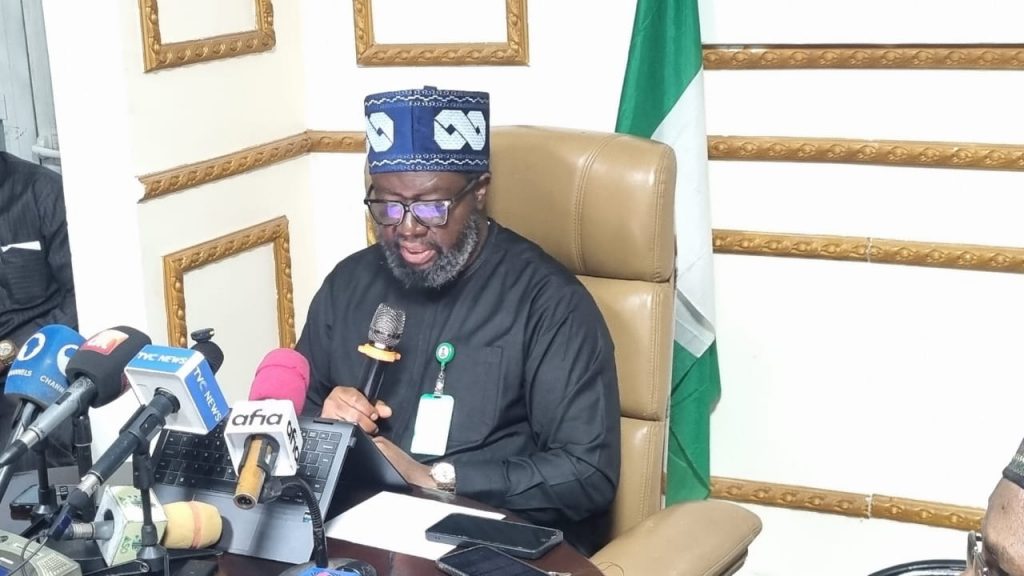
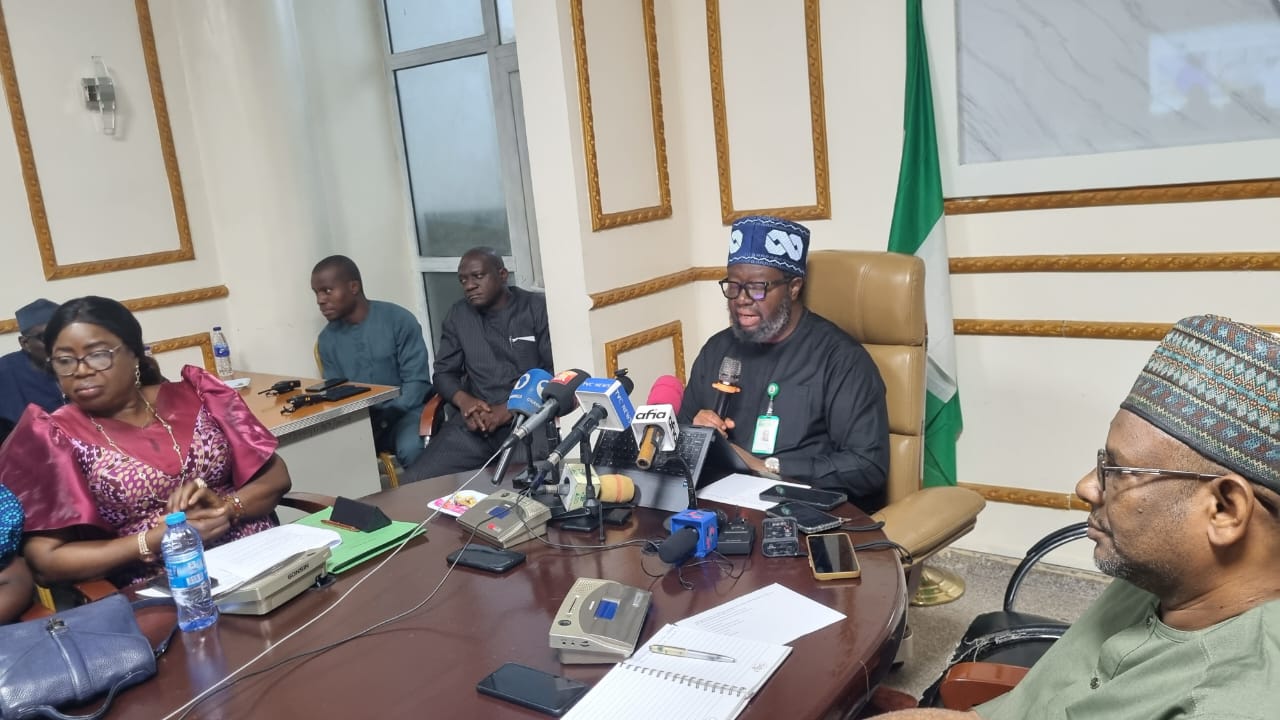
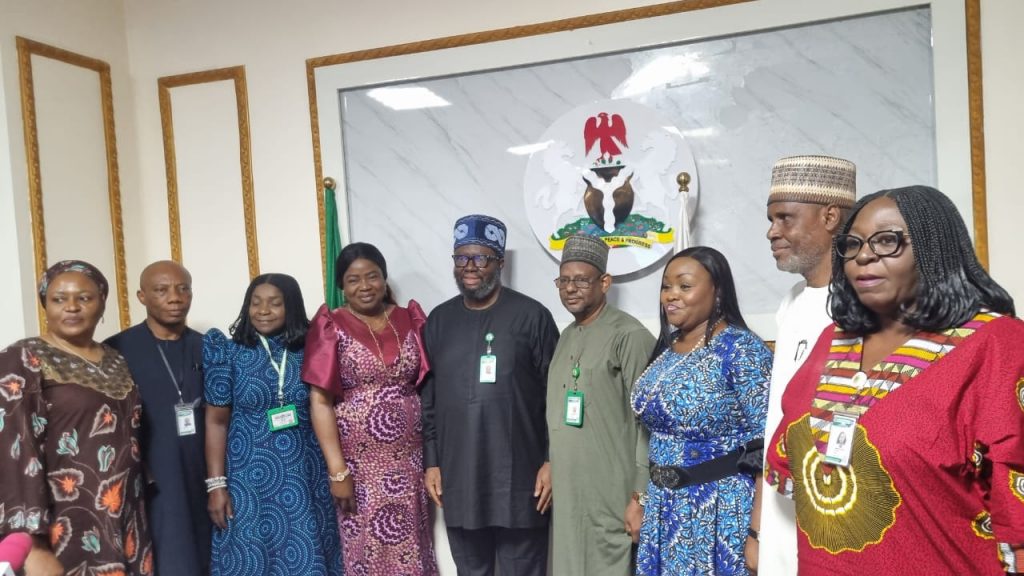
Speaking at a press conference ahead of the summit on Tuesday in Abuja, the Director-General and Chief Executive Officer of RMRDC, Prof. Nnanyelugo Martin Ike-Muonso, said the event would bring together policymakers, investors, researchers, technology providers and industrialists to develop practical strategies for transforming Africa’s abundant natural resources into industrial wealth.
The challenge, therefore, is not simply the abundance of resources, but the continent’s ability to transform those resources into industrial value, employment, technology and wealth within Africa.
Nigeria alone, according to the RMRDC, has more than $582.4 billion in documented non-renewable natural resources, while the wider continent possesses substantial deposits of critical minerals, agricultural raw materials and industrial feedstock.
Yet, the benefits of this resource endowment have often been constrained by inadequate processing capacity, weak infrastructure, limited technology, financing gaps and fragmented regional value chains.
From Dialogue to Industrial Action
ARMS 2026 builds on the maiden edition held in May 2025, which attracted more than 1,000 delegates from across the world.
The inaugural summit also witnessed the unveiling of the Ten-Year Raw Materials Transformation Roadmap (2025–2034) by the Minister of State for Industry, Senator John Owen Enoh.
The roadmap was designed around areas including technological capability, climate-resilient processing and backward integration, establishing a policy framework for greater domestic utilisation of Africa’s raw materials.
The second edition is expected to move the conversation further by bringing policy, capital, technology and industrial stakeholders around practical mechanisms for turning raw materials into locally manufactured products.
One of the major proposals highlighted by the RMRDC is the 30 per cent Mandatory Value Addition Bill, which seeks to establish a statutory minimum level of value addition to Nigerian raw materials before export.
The Council says the proposed framework could support job creation, import substitution, foreign-exchange conservation and increased manufacturing contribution to the economy.
Building the Infrastructure for Value Addition
The industrial transformation envisaged by ARMS 2026 goes beyond legislation.
A major concern is the “missing middle” between where raw materials are produced and where factories are located.
Poor transportation networks, inadequate cold-chain facilities, weak rural roads, limited testing and certification infrastructure and border-related delays can make locally sourced materials more expensive and less competitive.
Consequently, logistics and infrastructure constitute one of the five principal pillars of the summit.
The objective is to develop more reliable corridors connecting farms and mines with processing centres and manufacturing facilities, thereby reducing losses and improving the movement of industrial inputs.
The Digital Dimension
Technology is also becoming an important part of the Council’s strategy.
The RMRDC says it has developed the Nigeria Integrated Information Statistical System for Raw Materials and Products (NISSRAMP), described as a digital repository containing information on feedstock deposits, specifications, production outputs and industrial absorption rates.
The Council has also highlighted its transition towards paperless operations and its certification as a Data Controller/Processor of Major Importance by the Nigeria Data Protection Commission.
Such digital infrastructure could provide investors and manufacturers with better information about the availability and characteristics of raw materials while supporting more informed industrial planning.
Turning Waste Into Industrial Inputs
Another major component of ARMS 2026 is the proposed expansion of the circular economy.
The summit will examine how agricultural by-products, mine tailings, scrap metals and biomass can be recovered and reused as inputs for new production processes rather than being treated simply as waste.
The RMRDC argues that such an approach could lower raw-material costs while supporting more sustainable and climate-resilient manufacturing systems.
For Africa, where industrial expansion must increasingly balance economic development with environmental considerations, waste industrialisation could become an important part of the continent’s manufacturing conversation.
From National Production to African Value Chains
The African Continental Free Trade Area is another important element of the summit’s agenda.
The RMRDC sees AfCFTA as an opportunity to create regional value chains in which raw materials sourced in one African country can be processed and supplied to manufacturers in another.
Under such a model, Africa would move beyond simply exporting commodities to external markets and develop stronger internal networks for supplying chemicals, refined minerals, agricultural inputs and other industrial materials across national borders.
This approach places regional integration at the heart of Africa’s industrialisation strategy.
Bridging Research and Capital
A recurring weakness in many developing economies is the gap between research and commercialisation.
Innovations may emerge from universities, research institutions and laboratories without receiving the financing, equipment or market connections required to become commercially viable.
ARMS 2026 intends to address that gap through technology commercialisation and capital linkages, connecting research outputs with investors, development finance institutions and industrial off-takers.
The RMRDC has also cited partnerships with the Bank of Industry for commercial-scale post-harvest processing and a South-South technology-transfer partnership with the National Innovation Centre par Excellence in Shanghai, China.
A Larger Industrial Conversation
The scale of ARMS 2026 is expected to be significantly larger than the maiden edition.
The organisers project more than 1,800 delegates from all 54 African countries and global industrial partners.
The programme will feature high-level policy dialogues, technical panels, an advanced raw materials and technology exhibition, industrial site visits and the African Raw Materials Industry Awards.
The exhibition, in particular, is expected to showcase locally fabricated processing machinery, advanced domestic materials, green chemicals and engineered commercial inputs.
Beyond the speeches and exhibitions, however, the real significance of ARMS 2026 will ultimately depend on what happens after the summit.
Africa’s challenge has never been a shortage of raw materials. The more difficult question has been how to transform those resources into factories, products, skilled employment, technology and sustainable economic opportunities.
For Nigeria and the rest of the continent, the proposed shift from “pit-to-port” to “feedstock-to-factory” therefore represents a broader debate about the future structure of African economies.
ARMS 2026 seeks to place that debate firmly on the industrial agenda — with value addition, technology, finance, infrastructure, circular production and regional trade at the centre.
If the commitments and partnerships generated by the summit translate into measurable industrial activity, the event could provide another platform for Africa to examine how its enormous resource base can support stronger domestic manufacturing.
The message from the organisers is clear: the continent’s raw materials should not only leave African soil as commodities; they should increasingly become the foundation for African industrial production
-
 Featured7 years ago
Lampard Names New Chelsea Manager
-
 Featured6 years ago
FG To Extends Lockdown In FCT, Lagos Ogun states For 7days
-
 Featured7 years ago
Children Custody: Court Adjourns Mike Ezuruonye, Wife’s Case To April 7
-
 Featured7 years ago
NYSC Dismisses Report Of DG’s Plan To Islamize Benue Orientation Camp
-

 Featured5 years ago
Transfer Saga: How Mikel Obi Refused to compensate me After I Linked Him Worth $4m Deal In Kuwait SC – Okafor
-
Featured7 years ago
Board urges FG to establish one-stop rehabilitation centres in 6 geopolitical zones
-
Sports4 years ago
TINUBU LAMBAST DELE MOMODU
-

 News2 years ago
Zulu to Super Eagles B team, President Tinubu is happy with you













2 Comments