
Featured
High Profile Human Traffickers, Rapists Wage War on NAPTIP
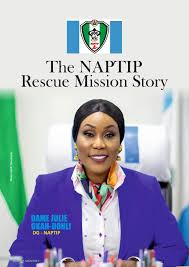
High Profile Human Traffickers, Rapists Wage War on NAPTIP
…CSO Urges Nigerians to Disregard Spurious and Malicious Allegations Against Agency
Joel Ajayi
The attention of Citizens Watch Advocacy Initiative (CWAI) has been drawn to the spurious, frivolous, malicious and the regurgitation of fabricated and concocted allegations targeted at the corporate image of the National Agency for the Prohibition of Trafficking in Persons (NAPTIP) management by an online news platform – Sahara Reporters.
This report was made few days ago and CWAI, as a civil society and champions of accountability, transparency and good governance regime in Nigeria over the years, are compelled to issue this statement after a clinical verification and investigation of the alleged reports on the proactive leadership and rebranded agency of government that has become a toast of both local and international donor partners as a result of a repositioned, focused and transparent management of NAPTIP like never before.
CWAI’s worry stems from the fact that these mischief makers and agent provocateurs donning the garb of whistleblowers hide under the umbrella and cloak of anti-corruption war to persecute their perceived enemies and people with contrary views, because, in Nigeria, a mere allegation is presumed to be a guilty verdict in the court of public opinion.
In a press statement issued by the Executive Secretary of CWAI, Omoba Kenneth Aigbegbele, the organization stated that of great concern is the contents of the allegations authored by some faceless and disgruntled elements with direct attack on the person and office of the Director-General, Dame Julie Okah-Donli, who has been lauded and applauded globally because of the agency’s numerous achievements, under her leadership, to meet with international best practices.
CWAI, ordinarily and logically, would have ignored such baseless allegations, but due to the respect accorded our donor basket sponsors from both local and international, who are on daily basis working assiduously with the mandate given to NAPTIP.
CWAI therefore decided to put the records straight and let Nigerians know the succinct truth that the alleged reports were padded with unverifiable insinuations, malicious and personal heresies published by Sahara Reporters with no recourse to the ethics of balanced reportage in line with global best practices in Journalism.
For the purpose of clarity and fairness, the allegation of award of contracts for the renovation of the Abuja and Benin Shelters of the agency, for the upgrade of the agency’s shelters for victims of trafficking in persons, was actually for three locations, namely: FCT, Abuja, Lagos and Benin Shelters respectively. This was awarded under the 2018 Appropriation Act. A visit to the above locations by CWAI reveals that the jobs were actually carried out in line with the global standards, thereby transforming the facilities to modern structures, unlike the comatose state it was before – inhabitable for human standards.
CWAI also found out that the recent onslaught against NAPTIP management may not be unconnected with the series of disciplinary measures and recent transfers carried out to enhance greater productivity by the Director-General. This was aimed at enhancing efficiency, effectiveness and productivity in line with President Muhammadu Buhari administration’s agenda and her mandate to reposition the agency. As reports indicate, a handful of officers had resisted the posting and normal routine transfer for capacity building and further knowledge acquisition within the agency, while some threatened to get back at the system.
CWAI states categorically that it is on record that the procedures for the award of these contracts followed due process and the final job completion certificates were daily signed by the officers in charge of those shelters. There was nothing like splitting any contract, because they were actually three separate contracts. Knowing full well that the amount approved for the three projects was grossly inadequate, the NAPTIP D-G, in her determination to give the facilities a face-lift, approached the authorities of the Federal Inland Revenue Service (FIRS), a sister government agency, to compliment the efforts of the Agency by bringing it up to international standard through the Corporate Social Responsibility (CSR) as practiced all over the globe.
Our organization also found out that concerning the allegation of N100 million appropriated for workshops under the 2017 budget, out of which some funds were released, the truth is that it was a capital project, which was awarded on the framework for the Safe Return/Repatriation and Reintegration of Victims of Human Trafficking/Child Labour following due process to a consultant. The first workshop was held in Calabar and more than 70 persons from all relevant governmental and non-governmental agencies, as well as the United Nations system and some foreign embassies were at the workshop.
The international organizations only catered for their representatives and they were just eight persons. NAPTIP, through the consultant, conducted a second technical workshop in Keffi, Nasarawa State, to fine-tune the document and other instruments, the workshop was attended by over 25 persons and lasted for four days. The consultant duly reported in his work and satisfied the laid down regulations, while funds were paid into the account of the NAPTIP Director of Research and Programme Development, so he has no reason to retire any amount or to forge tickets and hotel bills as maliciously alleged by the online platform, all in a bid to cast aspersions and smear the management of NAPTIP.
From CWAI’s investigations, that these elements have taken it upon themselves and are hell-bent on tarnishing the good work presently taking place at NAPTIP. In view of the foregoing, CWAI therefore diligently implores the general public to disregard and discountenance the highly illogical concoction that was served as a multi-million Naira contract fraud to a seemingly online platform, just to grab undue attention and headline in order to ridicule the image of NAPTIP and its management and put it in negative public perception.
But, as champions and agitators of transparency, good governance and accountability in the country, we at CWAI are aware that such deeply embedded surreptitious efforts and clandestine motives by disgruntled elements are aimed at demonizing, denigrating and blackmailing the present leadership of NAPTIP. This is glaring, because of the result of management’s deliberate avowed vision and mission to rebrand and reposition NAPTIP for effective service delivery. CWAI has watched closely the events of the past few days and monitored the court of public opinion and has come to the conclusion that it is in favour of NAPTIP.
CWAI’s independent evaluation of NAPTIP by its coalition partners and co-travellers in the boat of CSOs shows clear alignment with corporate transparent leadership, institutional capacity building and good governance stance on issues paramount to the growth and development of NAPTIP. CWAI further observed that immediately the present management assumed the mantle of leadership, it witnessed a cesspool of diligent and deliberate reorganizational transformation to a global brand. And to back up its philosophy, the Director-General instituted a template and constituted a think-tank to increase the visibility of the agency, launching it out globally as a foremost counter trafficking agency.
This has increased the partnership base of the agency, thereby bringing in more stakeholders on board, and creating of units in tandem with global standards like reforms units and rapid response unit, including the unveiling and promotion of NAPTIP brands, which is a unique milestone never witnessed before since the inception of the agency.
The NAPTIP management, under the leadership of Dame Donli, renovated the headquarters building, increased surveillance and proactive operational activities with an open door policy and the conviction of no fewer than 500 persons (many cases still pending in courts and investigation of many still on-going) and over 1800 victims passed through the NAPTIP shelters, given psychosocial support, provided skills, education, medical supports, empowerment and reintegrated most to their family and the society at large.
Through thorough investigation, CWAI realized that the present leadership hosted the First INTERPOL Global Conference on Human Traffickers and Migrant Smuggling in Africa. The 6th edition of the conference was attended by delegates from over 100 countries. However, NAPTIP employed three survivors of human trafficking as staff of the agency, they were rescued and trained in various universities in Nigeria and one of them had a 2.1 grade level. It was during this leadership that NAPTIP commenced an aggressive grassroots sensitization programme in all villages across the country on the dangers of human trafficking, including advocacy to state governors, traditional leaders and community leaders across the country on the harmful effects of trafficking and the setting up of State Task Forces on human capital in four states of the federation and presently working on other states.
NAPTIP has engaged actors in the aviation sector and the establishment of anti-human trafficking awareness signage at strategic points at the Murtala Mohammed International Airport and others, including joint operation with British Police at the Heathrow and Gatwick airports, a feat no other African country has achieved yet.
However, it has set up the Nigeria Sexual Offenders Register with the support of Rule of Law and Anti-Corruption (ROLAC) to name and shame sex offenders and in collaboration presently with ECOWAS Parliament on the need for collective regional efforts to curb human trafficking menace in our sub-region. Consequently, it has commenced the sensitization of commercial sex operators, law enforcement agencies and members of border communities in the Republic of Benin and Togo borders.
NAPTIP has created the sexual and gender based violence unit to tackle the increased cases of rape and domestic violence in the country. It has, as well, sponsored victims in tertiary institutions in Nigeria. It has also handled the evacuation of thousands of stranded victims of human trafficking and irregular migration from Libya, including rescued stranded Nigerian girls from Saudi-Arabia, Cairo, Omar and Lebanon as we write. It has recently concluded work with the Nigeria Educational Research and Development Council (NERDC) on the infusion of trafficking in persons issues into the curricula of primary and secondary schools in Nigeria, a development that Nigerians from all walks of life have applauded.
CWAI, therefore affirms, that knowing full well that human trafficking, sexual and gender based violence, just like other societal ills, are two hydra-headed monsters with the tendency of fighting back. In view of this, the latest attack on NAPTIP did not come to us as a surprise. This is against the backdrop of the increasing number of high profile human trafficking and sexual offences related cases handled by the agency at the moment, in addition to the publication of the contents of the sexual offenders register, a different concept never envisaged until now.
The organization therefore, condemns in strong terms, the intemperate castigation and malicious publication aimed at NAPTIP. CWAI, after a clinical and thorough investigation, including strategic civil society engagement, therefore urges the media to be vigilant and not to be hoodwinked by fifth columnists in this direction and to disregard and discountenance the innuendoes orchestrated by traducers, rabble-rousers and mischief makers, peddling falsehood about the management of NAPTIP.
In conclusion, CWAI urges well-meaning Nigerians to be wary of the antics of such reports and disregard same and consider them as mere hoax and hog-wash.
The organization urges NAPTIP’s present management to remain focused and steadfast on the delivery of her mandate to Nigerians through proactive leadership qualities of accountability, transparency and good governance practice which the management has been known for. Furthermore, CWAI has no hesitation to pass a vote of confidence on NAPTIP management’s tenacity, doggedness and forthrightness in stemming the tide of human trafficking, gender and sexual based violence.
Hence CWAI calls on development partners, stakeholders and Nigerians to continue to partner with NAPTIP on a long term initiative for the betterment of the country.



Business
Turning Africa’s Raw Materials Into Wealth: The ARMS 2026 Industrial Agenda
By Joel Ajayi
For decades, Africa’s vast natural resources have powered industries and economies far beyond the continent, while many African countries have remained largely exporters of unprocessed commodities and importers of finished products.
That familiar pattern is now coming under renewed scrutiny as policymakers, researchers, investors and industrialists seek to change the direction of Africa’s resource economy.
At the centre of that conversation is the second edition of the Africa Raw Materials Summit (ARMS 2026), scheduled for October 19 and 20 at the Abuja Continental Hotel, Abuja, under the theme: “From African Feedstock to African Factories.”
Organised by the Raw Materials Research and Development Council (RMRDC), the summit is being positioned as more than another gathering of policymakers and industry stakeholders. It is intended to provide a platform for confronting the structural challenges that have kept African raw materials largely disconnected from local manufacturing.
Africa has for years operated largely within a “pit-to-port” economic model, exporting raw materials while importing expensive finished products.
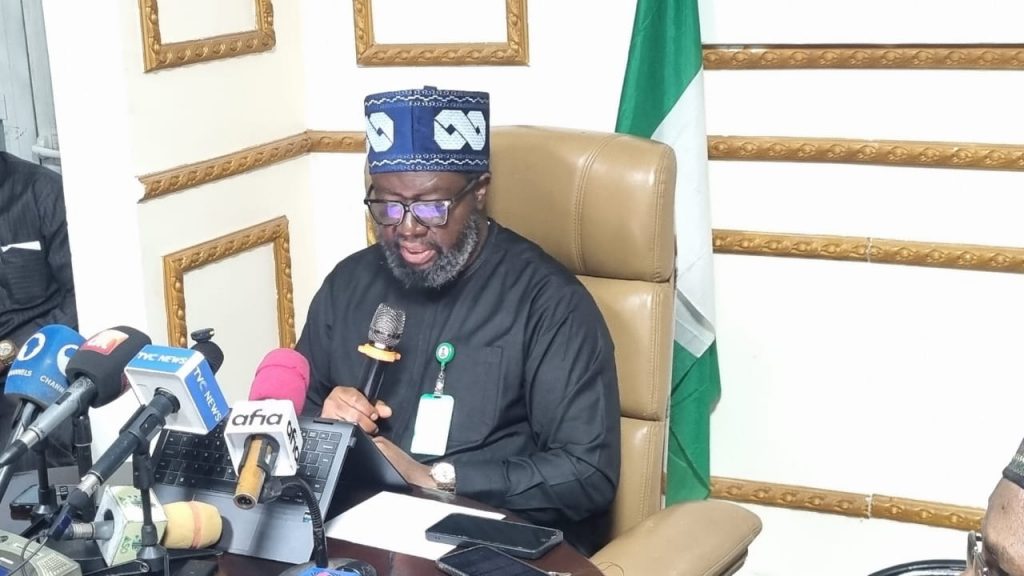
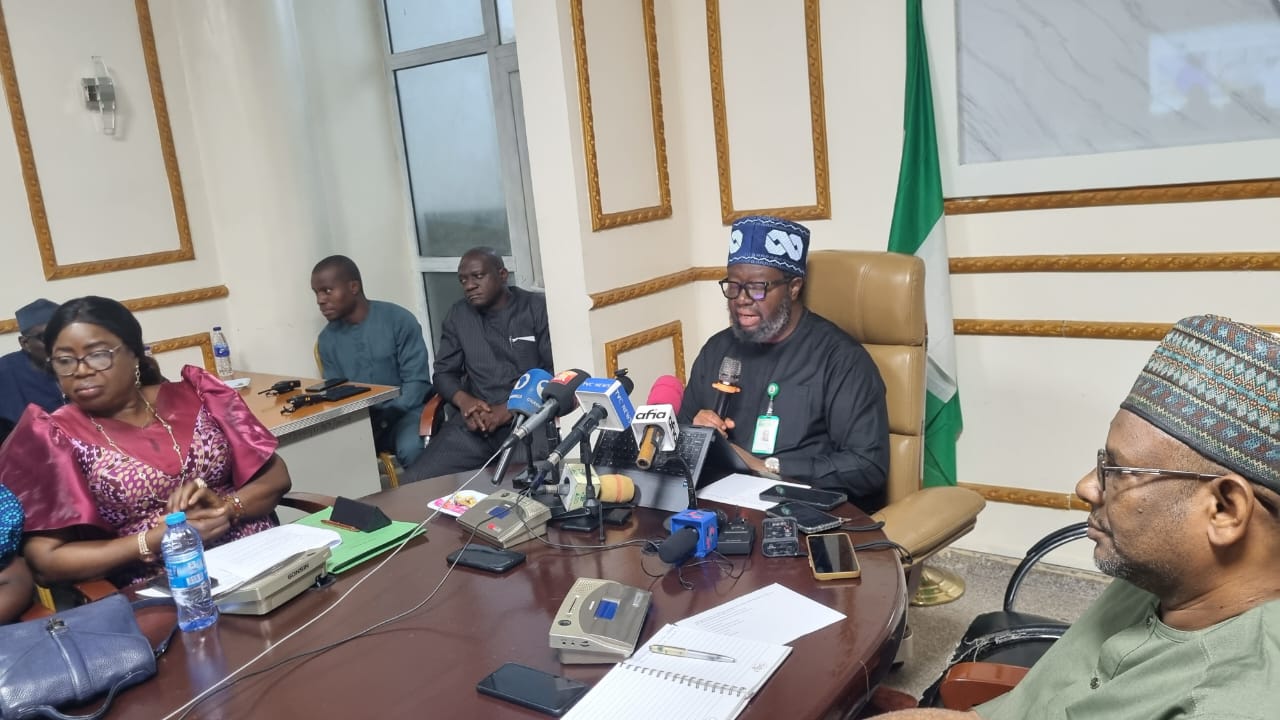
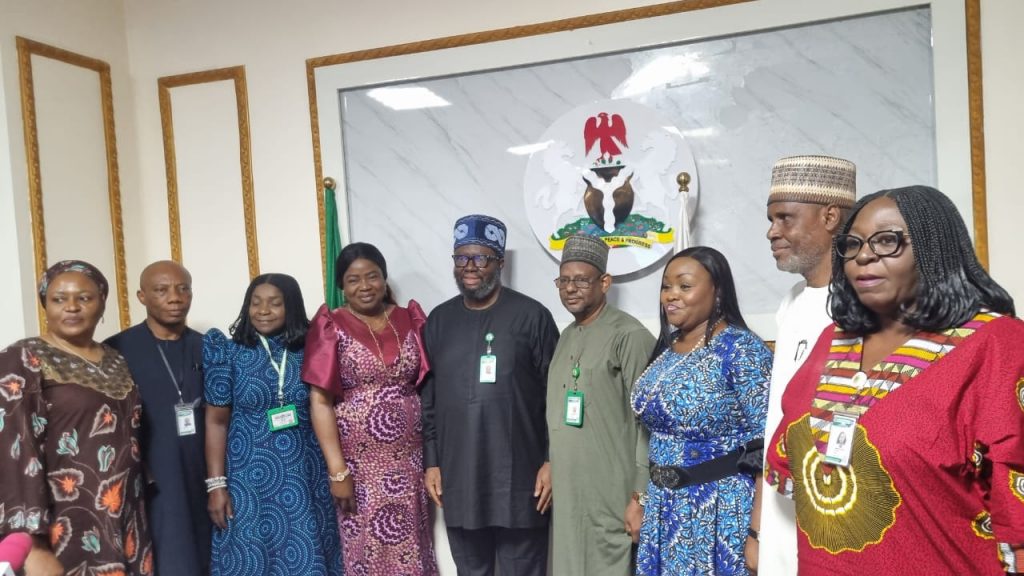
Speaking at a press conference ahead of the summit on Tuesday in Abuja, the Director-General and Chief Executive Officer of RMRDC, Prof. Nnanyelugo Martin Ike-Muonso, said the event would bring together policymakers, investors, researchers, technology providers and industrialists to develop practical strategies for transforming Africa’s abundant natural resources into industrial wealth.
The challenge, therefore, is not simply the abundance of resources, but the continent’s ability to transform those resources into industrial value, employment, technology and wealth within Africa.
Nigeria alone, according to the RMRDC, has more than $582.4 billion in documented non-renewable natural resources, while the wider continent possesses substantial deposits of critical minerals, agricultural raw materials and industrial feedstock.
Yet, the benefits of this resource endowment have often been constrained by inadequate processing capacity, weak infrastructure, limited technology, financing gaps and fragmented regional value chains.
From Dialogue to Industrial Action
ARMS 2026 builds on the maiden edition held in May 2025, which attracted more than 1,000 delegates from across the world.
The inaugural summit also witnessed the unveiling of the Ten-Year Raw Materials Transformation Roadmap (2025–2034) by the Minister of State for Industry, Senator John Owen Enoh.
The roadmap was designed around areas including technological capability, climate-resilient processing and backward integration, establishing a policy framework for greater domestic utilisation of Africa’s raw materials.
The second edition is expected to move the conversation further by bringing policy, capital, technology and industrial stakeholders around practical mechanisms for turning raw materials into locally manufactured products.
One of the major proposals highlighted by the RMRDC is the 30 per cent Mandatory Value Addition Bill, which seeks to establish a statutory minimum level of value addition to Nigerian raw materials before export.
The Council says the proposed framework could support job creation, import substitution, foreign-exchange conservation and increased manufacturing contribution to the economy.
Building the Infrastructure for Value Addition
The industrial transformation envisaged by ARMS 2026 goes beyond legislation.
A major concern is the “missing middle” between where raw materials are produced and where factories are located.
Poor transportation networks, inadequate cold-chain facilities, weak rural roads, limited testing and certification infrastructure and border-related delays can make locally sourced materials more expensive and less competitive.
Consequently, logistics and infrastructure constitute one of the five principal pillars of the summit.
The objective is to develop more reliable corridors connecting farms and mines with processing centres and manufacturing facilities, thereby reducing losses and improving the movement of industrial inputs.
The Digital Dimension
Technology is also becoming an important part of the Council’s strategy.
The RMRDC says it has developed the Nigeria Integrated Information Statistical System for Raw Materials and Products (NISSRAMP), described as a digital repository containing information on feedstock deposits, specifications, production outputs and industrial absorption rates.
The Council has also highlighted its transition towards paperless operations and its certification as a Data Controller/Processor of Major Importance by the Nigeria Data Protection Commission.
Such digital infrastructure could provide investors and manufacturers with better information about the availability and characteristics of raw materials while supporting more informed industrial planning.
Turning Waste Into Industrial Inputs
Another major component of ARMS 2026 is the proposed expansion of the circular economy.
The summit will examine how agricultural by-products, mine tailings, scrap metals and biomass can be recovered and reused as inputs for new production processes rather than being treated simply as waste.
The RMRDC argues that such an approach could lower raw-material costs while supporting more sustainable and climate-resilient manufacturing systems.
For Africa, where industrial expansion must increasingly balance economic development with environmental considerations, waste industrialisation could become an important part of the continent’s manufacturing conversation.
From National Production to African Value Chains
The African Continental Free Trade Area is another important element of the summit’s agenda.
The RMRDC sees AfCFTA as an opportunity to create regional value chains in which raw materials sourced in one African country can be processed and supplied to manufacturers in another.
Under such a model, Africa would move beyond simply exporting commodities to external markets and develop stronger internal networks for supplying chemicals, refined minerals, agricultural inputs and other industrial materials across national borders.
This approach places regional integration at the heart of Africa’s industrialisation strategy.
Bridging Research and Capital
A recurring weakness in many developing economies is the gap between research and commercialisation.
Innovations may emerge from universities, research institutions and laboratories without receiving the financing, equipment or market connections required to become commercially viable.
ARMS 2026 intends to address that gap through technology commercialisation and capital linkages, connecting research outputs with investors, development finance institutions and industrial off-takers.
The RMRDC has also cited partnerships with the Bank of Industry for commercial-scale post-harvest processing and a South-South technology-transfer partnership with the National Innovation Centre par Excellence in Shanghai, China.
A Larger Industrial Conversation
The scale of ARMS 2026 is expected to be significantly larger than the maiden edition.
The organisers project more than 1,800 delegates from all 54 African countries and global industrial partners.
The programme will feature high-level policy dialogues, technical panels, an advanced raw materials and technology exhibition, industrial site visits and the African Raw Materials Industry Awards.
The exhibition, in particular, is expected to showcase locally fabricated processing machinery, advanced domestic materials, green chemicals and engineered commercial inputs.
Beyond the speeches and exhibitions, however, the real significance of ARMS 2026 will ultimately depend on what happens after the summit.
Africa’s challenge has never been a shortage of raw materials. The more difficult question has been how to transform those resources into factories, products, skilled employment, technology and sustainable economic opportunities.
For Nigeria and the rest of the continent, the proposed shift from “pit-to-port” to “feedstock-to-factory” therefore represents a broader debate about the future structure of African economies.
ARMS 2026 seeks to place that debate firmly on the industrial agenda — with value addition, technology, finance, infrastructure, circular production and regional trade at the centre.
If the commitments and partnerships generated by the summit translate into measurable industrial activity, the event could provide another platform for Africa to examine how its enormous resource base can support stronger domestic manufacturing.
The message from the organisers is clear: the continent’s raw materials should not only leave African soil as commodities; they should increasingly become the foundation for African industrial production
-
 Featured7 years ago
Lampard Names New Chelsea Manager
-
 Featured6 years ago
FG To Extends Lockdown In FCT, Lagos Ogun states For 7days
-
 Featured7 years ago
Children Custody: Court Adjourns Mike Ezuruonye, Wife’s Case To April 7
-
 Featured7 years ago
NYSC Dismisses Report Of DG’s Plan To Islamize Benue Orientation Camp
-

 Featured5 years ago
Transfer Saga: How Mikel Obi Refused to compensate me After I Linked Him Worth $4m Deal In Kuwait SC – Okafor
-
Featured7 years ago
Board urges FG to establish one-stop rehabilitation centres in 6 geopolitical zones
-
Sports4 years ago
TINUBU LAMBAST DELE MOMODU
-

 News2 years ago
Zulu to Super Eagles B team, President Tinubu is happy with you