
Featured
ADDRESS BY H.E. MUHAMMADU BUHARI, PRESIDENT OF THE FEDERAL REPUBLIC OF NIGERIA ON THE EXTENSION OF COVID- 19 PANDEMIC LOCKDOWN AT THE STATE HOUSE, ABUJA MONDAY, 13TH APRIL, 2020
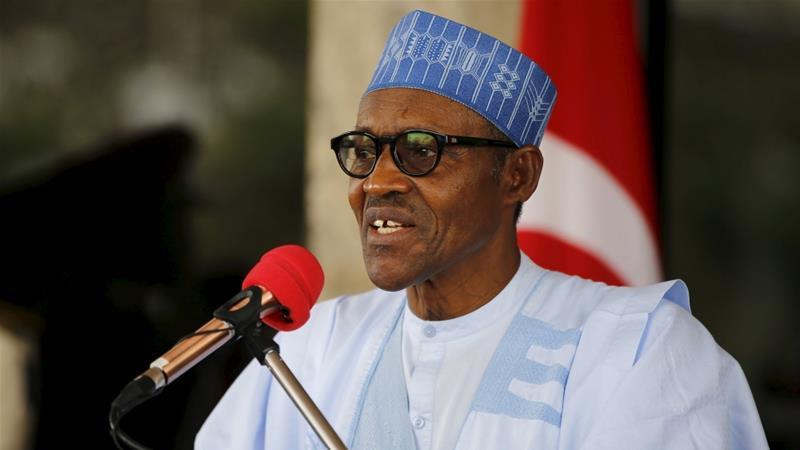
ADDRESS BY H.E. MUHAMMADU BUHARI, PRESIDENT OF THE FEDERAL REPUBLIC OF NIGERIA ON THE EXTENSION OF COVID- 19 PANDEMIC LOCKDOWN AT THE STATE HOUSE, ABUJA
MONDAY, 13TH APRIL, 2020
1. Fellow Nigerians
2. In my address on Sunday, 29th March, 2020, I asked the residents of Lagos and Ogun States as well as the Federal Capital Territory to stay at home for an initial period of fourteen days starting from Monday, 30th March 2020.
3. Many State Governments also introduced similar restrictions.
4. As your democratically elected leaders, we made this very difficult decision knowing fully well it will severely disrupt your livelihoods and bring undue hardship to you, your loved ones and your communities.
5. However, such sacrifices are needed to limit the spread of COVID-19 in our country. They were necessary to save lives.
6. Our objective was, and still remains, to contain the spread of the Coronavirus and to provide space, time and resources for an aggressive and collective action.
7. The level of compliance to the COVID-19 guidelines issued has been generally good across the country. I wish to thank you all most sincerely for the great sacrifice you are making for each other at this critical time.
8. I will take this opportunity to recognise the massive support from our traditional rulers, the Christian Association of Nigeria (CAN) and the Nigerian Supreme Council for Islamic Affairs (NSCIA) during this pandemic.
9. I also acknowledge the support and contributions received from public spirited individuals, the business community and our international partners and friends.
10. I must also thank the media houses, celebrities and other public figures for the great work they are doing in sensitizing our citizens on hygienic practices, social distancing and issues associated with social gatherings.
11. As a result of the overwhelming support and cooperation received, we were able to achieve a lot during these 14 days of initial lockdown.
12. We implemented comprehensive public health measures that intensified our case identification, testing, isolation and contact tracing capabilities.
13. To date, we have identified 92% of all identified contacts while doubling the number of testing laboratories in the country and raising our testing capacity to 1,500 tests per day.
14. We also trained over 7,000 Healthcare workers on infection prevention and control while deploying NCDC teams to 19 states of the federation.
15. Lagos and Abuja today have the capacity to admit some 1,000 patients each across several treatment centres.
16. Many State Governments have also made provisions for isolation wards and treatment centres. We will also build similar centers near our airports and land borders.
17. Using our resources and those provided through donations, we will adequately equip and man these centres in the coming weeks. Already, health care workers across all the treatment centers have been provided with the personal protective equipment that they need to safely carry out the care they provide.
18. Our hope and prayers are that we do not have to use all these centres. But we will be ready for all eventualities.
19. At this point, I must recognise the incredible work being done by our healthcare workers and volunteers across the country especially in frontline areas of Lagos and Ogun States as well as the Federal Capital Territory.
20. You are our heroes and as a nation, we will forever remain grateful for your sacrifice during this very difficult time. More measures to motivate our health care workers are being introduced which we will announce in the coming weeks.
21. As a nation, we are on the right track to win the fight against COVID-19.
22. However, I remain concerned about the increase in number of confirmed cases and deaths being reported across the world and in Nigeria specifically.
23. On 30th March 2020, when we started our lockdown in conforming with medical and scientific advice, the total number of confirmed cases across the world was over 780,000.
24. Yesterday, the number of confirmed COVID-19 cases globally was over one million, eight hundred and fifty thousand. This figure is more than double in two weeks!
25. In the last fourteen days alone, over 70,000 people have died due to this disease.
26. In the same period, we have seen the health system of even the most developed nations being overwhelmed by this virus.
27. Here in Nigeria, we had 131 confirmed cases of COVID-19 in 12 States on 30th March 2020. We had two fatalities then.
28. This morning, Nigeria had 323 confirmed cases in twenty States. Unfortunately we now have ten fatalities. Lagos State remains the center and accounts for 54% of the confirmed cases in Nigeria. When combined with the FCT, the two locations represent over 71% of the confirmed cases in Nigeria.
29. Most of our efforts will continue to focus in these two locations.
30. Majority of the confirmed cases in Lagos and the FCT are individuals with recent international travel history or those that came into contact with returnees from international trips.
31. By closing our airports and land borders and putting strict conditions for seaport activities, we have reduced the impact of external factors on our country. However, the increase in the number of States with positive cases is alarming.
32. The National Centre for Disease Control has informed me that, a large proportion of new infections are now occurring in our communities, through person-to-person contacts. So we must pay attention to the danger of close contact between person to person.
33. At this point, I will remind all Nigerians to continue to take responsibility for the recommended measures to prevent transmission, including maintaining physical distancing, good personal hygiene and staying at home.
34. In addition, I have signed the Quarantine Order in this regard and additional regulations to provide clarity in respect of the control measures for the COVID-19 pandemic which will be released soon.
35. The public health response to COVID-19 is built on our ability to detect, test and admit cases as well as trace all their contacts. While I note some appreciable progress, we can achieve a lot more.
36. Today, the cessation of movement, physical distancing measures and the prohibition of mass gatherings remain the most efficient and effective way of reducing the transmission of the virus. By sustaining these measures, combined with extensive testing and contact tracing, we can take control and limit the spread of the disease.
37. Our approach to the virus remains in 2 steps – First, to protect the lives of our fellow Nigerians and residents living here and second, to preserve the livelihoods of workers and business owners.
38. With this in mind and having carefully considered the briefings and Report from the Presidential Task Force and the various options offered, it has become necessary to extend the current restriction of movement in Lagos and Ogun States as well as the FCT for another 14 days effective from 11:59 pm on Monday, 13th of April, 2020. I am therefore once again asking you all to work with Government in this fight.
39. This is not a joke. It is a matter of life and death. Mosques in Makkah and Madina have been closed. The Pope celebrated Mass on an empty St. Peter’s Square. The famous Notre Dame cathedral in Paris held Easter Mass with less than 10 people. India, Italy and France are in complete lockdown. Other countries are in the process of following suit. We can not be lax.
40. The previously issued guidelines on exempted services shall remain.
41. This is a difficult decision to take, but I am convinced that this is the right decision. The evidence is clear.
42. The repercussions of any premature end to the lockdown action are unimaginable.
43. We must not lose the gains achieved thus far. We must not allow a rapid increase in community transmission. We must endure a little longer.
44. I will therefore take this opportunity to urge you all to notify the relevant authorities if you or your loved ones develop any symptoms. I will also ask our health care professionals to redouble their efforts to identify all suspected cases, bring them into care and prevent transmission to others.
45. No country can afford the full impact of a sustained restriction of movement on its economy. I am fully aware of the great difficulties experienced especially by those who earn a daily wage such as traders, dayworkers, artisans and manual workers.
46. For this group, their sustenance depends on their ability to go out. Their livelihoods depend on them mingling with others and about seeking work. But despite these realities we must not change the restrictions.
47. In the past two weeks, we announced palliative measures such as food distribution, cash transfers and loans repayment waivers to ease the pains of our restrictive policies during this difficult time. These palliatives will be sustained.
48. I have also directed that the current social register be expanded from 2.6 million households to 3.6 million households in the next two weeks. This means we will support an additional one million homes with our social investment programs. A technical committee is working on this and will submit a report to me by the end of this week.
49. The Security Agencies have risen to the challenges posed by this unprecedented situation with gallantry and I commend them. I urge them to continue to maintain utmost vigilance, firmness as well as restraint in enforcing the restriction orders while not neglecting statutory security responsibilities.
50. Fellow Nigerians, follow the instructions on social distancing. The irresponsibility of the few can lead to the death of the many. Your freedom ends where other people’s rights begin.
51. The response of our State Governors has been particularly impressive, especially in aligning their policies and actions to those of the Federal Government.
52. In the coming weeks, I want to assure you that the Federal Government, through the Presidential Task Force, will do whatever it takes to support you in this very difficult period. I have no doubt that, by working together and carefully following the rules, we shall get over this pandemic.
53. I must also thank the Legislative arm of Government for all its support and donations in this very difficult period. This collaboration is critical to the short and long-term success of all the measures that we have instituted in response to the pandemic.
54. As a result of this pandemic, the world as we know it has changed. The way we interact with each other, conduct our businesses and trade, travel, educate our children and earn our livelihoods will be different.
55. To ensure our economy adapts to this new reality, I am directing the Ministers of Industry, Trade and Investment, Communication and Digital Economy, Science and Technology, Transportation, Aviation, Interior, Health, Works and Housing, Labour and Employment and Education to jointly develop a comprehensive policy for a “Nigerian economy functioning with COVID-19”.
56. The Ministers will be supported by the Presidential Economic Advisory Council and Economic Sustainability Committee in executing this mandate.
57. I am also directing the Minister of Agriculture and Rural Development, the National Security Adviser, the Vice Chairman, National Food Security Council and the Chairman, Presidential Fertiliser Initiative to work with the Presidential Task Force on COVID-19 to ensure the impact of this pandemic on our 2020 farming season is minimized.
58. Finally, I want to thank the members of the Presidential Task Force on COVID-19 for all their hard work so far. Indeed, the patriotism shown in your work is exemplary and highly commendable.
59. Fellow Nigerians, I have no doubt that by working together and carefully following the rules, we shall get over this pandemic and emerge stronger in the end.
60. I thank you all for listening and may God bless the Federal Republic of Nigeria.ADDRESS BY H.E. MUHAMMADU BUHARI, PRESIDENT OF THE FEDERAL REPUBLIC OF NIGERIA ON THE EXTENSION OF COVID- 19 PANDEMIC LOCKDOWN AT THE STATE HOUSE, ABUJA
MONDAY, 13TH APRIL, 2020
1. Fellow Nigerians
2. In my address on Sunday, 29th March, 2020, I asked the residents of Lagos and Ogun States as well as the Federal Capital Territory to stay at home for an initial period of fourteen days starting from Monday, 30th March 2020.
3. Many State Governments also introduced similar restrictions.
4. As your democratically elected leaders, we made this very difficult decision knowing fully well it will severely disrupt your livelihoods and bring undue hardship to you, your loved ones and your communities.
5. However, such sacrifices are needed to limit the spread of COVID-19 in our country. They were necessary to save lives.
6. Our objective was, and still remains, to contain the spread of the Coronavirus and to provide space, time and resources for an aggressive and collective action.
7. The level of compliance to the COVID-19 guidelines issued has been generally good across the country. I wish to thank you all most sincerely for the great sacrifice you are making for each other at this critical time.
8. I will take this opportunity to recognise the massive support from our traditional rulers, the Christian Association of Nigeria (CAN) and the Nigerian Supreme Council for Islamic Affairs (NSCIA) during this pandemic.
9. I also acknowledge the support and contributions received from public spirited individuals, the business community and our international partners and friends.
10. I must also thank the media houses, celebrities and other public figures for the great work they are doing in sensitizing our citizens on hygienic practices, social distancing and issues associated with social gatherings.
11. As a result of the overwhelming support and cooperation received, we were able to achieve a lot during these 14 days of initial lockdown.
12. We implemented comprehensive public health measures that intensified our case identification, testing, isolation and contact tracing capabilities.
13. To date, we have identified 92% of all identified contacts while doubling the number of testing laboratories in the country and raising our testing capacity to 1,500 tests per day.
14. We also trained over 7,000 Healthcare workers on infection prevention and control while deploying NCDC teams to 19 states of the federation.
15. Lagos and Abuja today have the capacity to admit some 1,000 patients each across several treatment centres.
16. Many State Governments have also made provisions for isolation wards and treatment centres. We will also build similar centers near our airports and land borders.
17. Using our resources and those provided through donations, we will adequately equip and man these centres in the coming weeks. Already, health care workers across all the treatment centers have been provided with the personal protective equipment that they need to safely carry out the care they provide.
18. Our hope and prayers are that we do not have to use all these centres. But we will be ready for all eventualities.
19. At this point, I must recognise the incredible work being done by our healthcare workers and volunteers across the country especially in frontline areas of Lagos and Ogun States as well as the Federal Capital Territory.
20. You are our heroes and as a nation, we will forever remain grateful for your sacrifice during this very difficult time. More measures to motivate our health care workers are being introduced which we will announce in the coming weeks.
21. As a nation, we are on the right track to win the fight against COVID-19.
22. However, I remain concerned about the increase in number of confirmed cases and deaths being reported across the world and in Nigeria specifically.
23. On 30th March 2020, when we started our lockdown in conforming with medical and scientific advice, the total number of confirmed cases across the world was over 780,000.
24. Yesterday, the number of confirmed COVID-19 cases globally was over one million, eight hundred and fifty thousand. This figure is more than double in two weeks!
25. In the last fourteen days alone, over 70,000 people have died due to this disease.
26. In the same period, we have seen the health system of even the most developed nations being overwhelmed by this virus.
27. Here in Nigeria, we had 131 confirmed cases of COVID-19 in 12 States on 30th March 2020. We had two fatalities then.
28. This morning, Nigeria had 323 confirmed cases in twenty States. Unfortunately we now have ten fatalities. Lagos State remains the center and accounts for 54% of the confirmed cases in Nigeria. When combined with the FCT, the two locations represent over 71% of the confirmed cases in Nigeria.
29. Most of our efforts will continue to focus in these two locations.
30. Majority of the confirmed cases in Lagos and the FCT are individuals with recent international travel history or those that came into contact with returnees from international trips.
31. By closing our airports and land borders and putting strict conditions for seaport activities, we have reduced the impact of external factors on our country. However, the increase in the number of States with positive cases is alarming.
32. The National Centre for Disease Control has informed me that, a large proportion of new infections are now occurring in our communities, through person-to-person contacts. So we must pay attention to the danger of close contact between person to person.
33. At this point, I will remind all Nigerians to continue to take responsibility for the recommended measures to prevent transmission, including maintaining physical distancing, good personal hygiene and staying at home.
34. In addition, I have signed the Quarantine Order in this regard and additional regulations to provide clarity in respect of the control measures for the COVID-19 pandemic which will be released soon.
35. The public health response to COVID-19 is built on our ability to detect, test and admit cases as well as trace all their contacts. While I note some appreciable progress, we can achieve a lot more.
36. Today, the cessation of movement, physical distancing measures and the prohibition of mass gatherings remain the most efficient and effective way of reducing the transmission of the virus. By sustaining these measures, combined with extensive testing and contact tracing, we can take control and limit the spread of the disease.
37. Our approach to the virus remains in 2 steps – First, to protect the lives of our fellow Nigerians and residents living here and second, to preserve the livelihoods of workers and business owners.
38. With this in mind and having carefully considered the briefings and Report from the Presidential Task Force and the various options offered, it has become necessary to extend the current restriction of movement in Lagos and Ogun States as well as the FCT for another 14 days effective from 11:59 pm on Monday, 13th of April, 2020. I am therefore once again asking you all to work with Government in this fight.
39. This is not a joke. It is a matter of life and death. Mosques in Makkah and Madina have been closed. The Pope celebrated Mass on an empty St. Peter’s Square. The famous Notre Dame cathedral in Paris held Easter Mass with less than 10 people. India, Italy and France are in complete lockdown. Other countries are in the process of following suit. We can not be lax.
40. The previously issued guidelines on exempted services shall remain.
41. This is a difficult decision to take, but I am convinced that this is the right decision. The evidence is clear.
42. The repercussions of any premature end to the lockdown action are unimaginable.
43. We must not lose the gains achieved thus far. We must not allow a rapid increase in community transmission. We must endure a little longer.
44. I will therefore take this opportunity to urge you all to notify the relevant authorities if you or your loved ones develop any symptoms. I will also ask our health care professionals to redouble their efforts to identify all suspected cases, bring them into care and prevent transmission to others.
45. No country can afford the full impact of a sustained restriction of movement on its economy. I am fully aware of the great difficulties experienced especially by those who earn a daily wage such as traders, dayworkers, artisans and manual workers.
46. For this group, their sustenance depends on their ability to go out. Their livelihoods depend on them mingling with others and about seeking work. But despite these realities we must not change the restrictions.
47. In the past two weeks, we announced palliative measures such as food distribution, cash transfers and loans repayment waivers to ease the pains of our restrictive policies during this difficult time. These palliatives will be sustained.
48. I have also directed that the current social register be expanded from 2.6 million households to 3.6 million households in the next two weeks. This means we will support an additional one million homes with our social investment programs. A technical committee is working on this and will submit a report to me by the end of this week.
49. The Security Agencies have risen to the challenges posed by this unprecedented situation with gallantry and I commend them. I urge them to continue to maintain utmost vigilance, firmness as well as restraint in enforcing the restriction orders while not neglecting statutory security responsibilities.
50. Fellow Nigerians, follow the instructions on social distancing. The irresponsibility of the few can lead to the death of the many. Your freedom ends where other people’s rights begin.
51. The response of our State Governors has been particularly impressive, especially in aligning their policies and actions to those of the Federal Government.
52. In the coming weeks, I want to assure you that the Federal Government, through the Presidential Task Force, will do whatever it takes to support you in this very difficult period. I have no doubt that, by working together and carefully following the rules, we shall get over this pandemic.
53. I must also thank the Legislative arm of Government for all its support and donations in this very difficult period. This collaboration is critical to the short and long-term success of all the measures that we have instituted in response to the pandemic.
54. As a result of this pandemic, the world as we know it has changed. The way we interact with each other, conduct our businesses and trade, travel, educate our children and earn our livelihoods will be different.
55. To ensure our economy adapts to this new reality, I am directing the Ministers of Industry, Trade and Investment, Communication and Digital Economy, Science and Technology, Transportation, Aviation, Interior, Health, Works and Housing, Labour and Employment and Education to jointly develop a comprehensive policy for a “Nigerian economy functioning with COVID-19”.
56. The Ministers will be supported by the Presidential Economic Advisory Council and Economic Sustainability Committee in executing this mandate.
57. I am also directing the Minister of Agriculture and Rural Development, the National Security Adviser, the Vice Chairman, National Food Security Council and the Chairman, Presidential Fertiliser Initiative to work with the Presidential Task Force on COVID-19 to ensure the impact of this pandemic on our 2020 farming season is minimized.
58. Finally, I want to thank the members of the Presidential Task Force on COVID-19 for all their hard work so far. Indeed, the patriotism shown in your work is exemplary and highly commendable.
59. Fellow Nigerians, I have no doubt that by working together and carefully following the rules, we shall get over this pandemic and emerge stronger in the end.
60. I thank you all for listening and may God bless the Federal Republic of Nigeria.



Business
Turning Africa’s Raw Materials Into Wealth: The ARMS 2026 Industrial Agenda
By Joel Ajayi
For decades, Africa’s vast natural resources have powered industries and economies far beyond the continent, while many African countries have remained largely exporters of unprocessed commodities and importers of finished products.
That familiar pattern is now coming under renewed scrutiny as policymakers, researchers, investors and industrialists seek to change the direction of Africa’s resource economy.
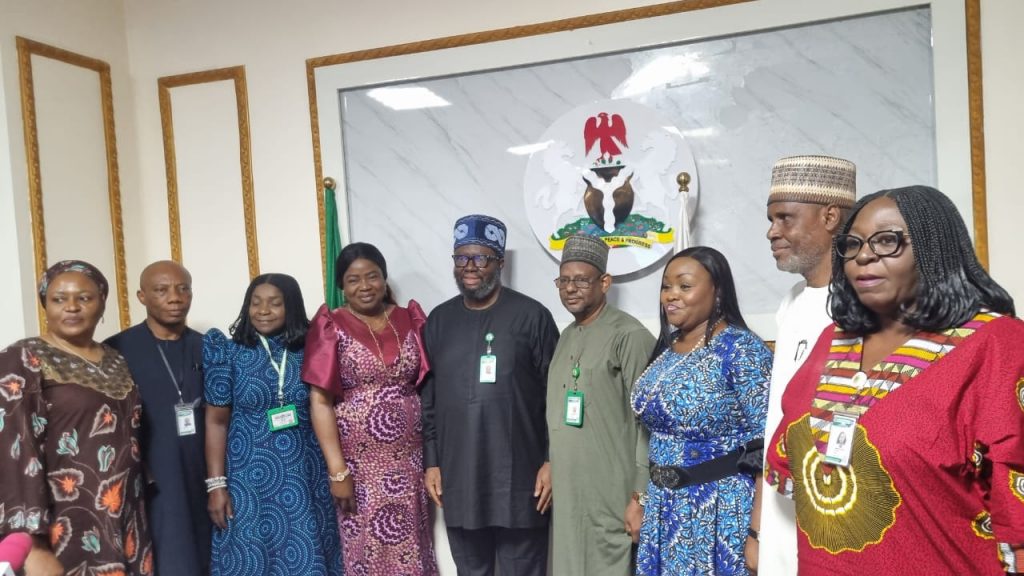
At the centre of that conversation is the second edition of the Africa Raw Materials Summit (ARMS 2026), scheduled for October 19 and 20 at the Abuja Continental Hotel, Abuja, under the theme: “From African Feedstock to African Factories.”
Organised by the Raw Materials Research and Development Council (RMRDC), the summit is being positioned as more than another gathering of policymakers and industry stakeholders. It is intended to provide a platform for confronting the structural challenges that have kept African raw materials largely disconnected from local manufacturing.
Africa has for years operated largely within a “pit-to-port” economic model, exporting raw materials while importing expensive finished products.
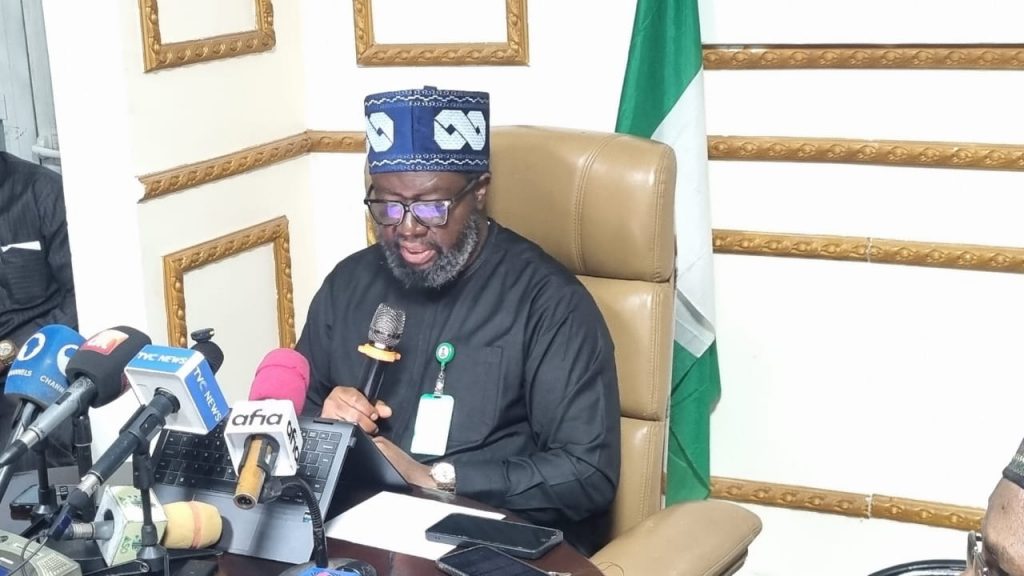
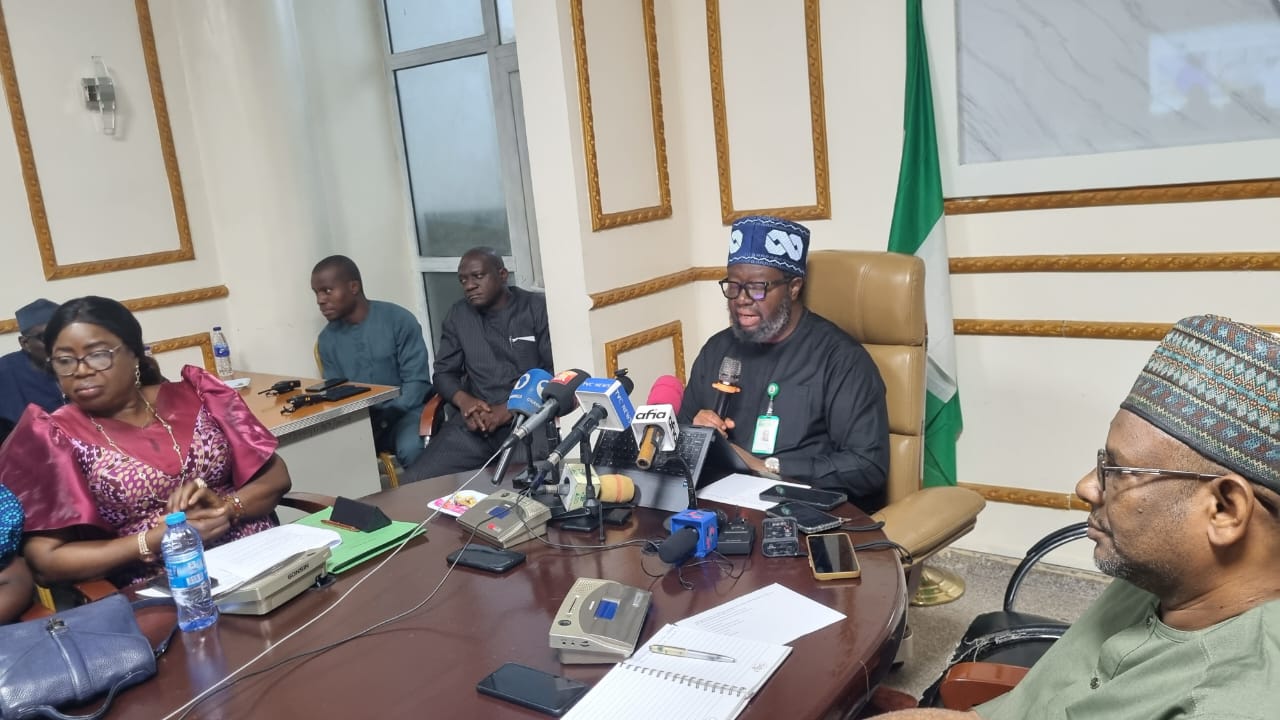
Speaking at a press conference ahead of the summit on Tuesday in Abuja, the Director-General and Chief Executive Officer of RMRDC, Prof. Nnanyelugo Martin Ike-Muonso, said the event would bring together policymakers, investors, researchers, technology providers and industrialists to develop practical strategies for transforming Africa’s abundant natural resources into industrial wealth.
The challenge, therefore, is not simply the abundance of resources, but the continent’s ability to transform those resources into industrial value, employment, technology and wealth within Africa.
Nigeria alone, according to the RMRDC, has more than $582.4 billion in documented non-renewable natural resources, while the wider continent possesses substantial deposits of critical minerals, agricultural raw materials and industrial feedstock.
Yet, the benefits of this resource endowment have often been constrained by inadequate processing capacity, weak infrastructure, limited technology, financing gaps and fragmented regional value chains.
From Dialogue to Industrial Action
ARMS 2026 builds on the maiden edition held in May 2025, which attracted more than 1,000 delegates from across the world.
The inaugural summit also witnessed the unveiling of the Ten-Year Raw Materials Transformation Roadmap (2025–2034) by the Minister of State for Industry, Senator John Owen Enoh.
The roadmap was designed around areas including technological capability, climate-resilient processing and backward integration, establishing a policy framework for greater domestic utilisation of Africa’s raw materials.
The second edition is expected to move the conversation further by bringing policy, capital, technology and industrial stakeholders around practical mechanisms for turning raw materials into locally manufactured products.
One of the major proposals highlighted by the RMRDC is the 30 per cent Mandatory Value Addition Bill, which seeks to establish a statutory minimum level of value addition to Nigerian raw materials before export.
The Council says the proposed framework could support job creation, import substitution, foreign-exchange conservation and increased manufacturing contribution to the economy.
Building the Infrastructure for Value Addition
The industrial transformation envisaged by ARMS 2026 goes beyond legislation.
A major concern is the “missing middle” between where raw materials are produced and where factories are located.
Poor transportation networks, inadequate cold-chain facilities, weak rural roads, limited testing and certification infrastructure and border-related delays can make locally sourced materials more expensive and less competitive.
Consequently, logistics and infrastructure constitute one of the five principal pillars of the summit.
The objective is to develop more reliable corridors connecting farms and mines with processing centres and manufacturing facilities, thereby reducing losses and improving the movement of industrial inputs.
The Digital Dimension
Technology is also becoming an important part of the Council’s strategy.
The RMRDC says it has developed the Nigeria Integrated Information Statistical System for Raw Materials and Products (NISSRAMP), described as a digital repository containing information on feedstock deposits, specifications, production outputs and industrial absorption rates.
The Council has also highlighted its transition towards paperless operations and its certification as a Data Controller/Processor of Major Importance by the Nigeria Data Protection Commission.
Such digital infrastructure could provide investors and manufacturers with better information about the availability and characteristics of raw materials while supporting more informed industrial planning.
Turning Waste Into Industrial Inputs
Another major component of ARMS 2026 is the proposed expansion of the circular economy.
The summit will examine how agricultural by-products, mine tailings, scrap metals and biomass can be recovered and reused as inputs for new production processes rather than being treated simply as waste.
The RMRDC argues that such an approach could lower raw-material costs while supporting more sustainable and climate-resilient manufacturing systems.
For Africa, where industrial expansion must increasingly balance economic development with environmental considerations, waste industrialisation could become an important part of the continent’s manufacturing conversation.
From National Production to African Value Chains
The African Continental Free Trade Area is another important element of the summit’s agenda.
The RMRDC sees AfCFTA as an opportunity to create regional value chains in which raw materials sourced in one African country can be processed and supplied to manufacturers in another.
Under such a model, Africa would move beyond simply exporting commodities to external markets and develop stronger internal networks for supplying chemicals, refined minerals, agricultural inputs and other industrial materials across national borders.
This approach places regional integration at the heart of Africa’s industrialisation strategy.
Bridging Research and Capital
A recurring weakness in many developing economies is the gap between research and commercialisation.
Innovations may emerge from universities, research institutions and laboratories without receiving the financing, equipment or market connections required to become commercially viable.
ARMS 2026 intends to address that gap through technology commercialisation and capital linkages, connecting research outputs with investors, development finance institutions and industrial off-takers.
The RMRDC has also cited partnerships with the Bank of Industry for commercial-scale post-harvest processing and a South-South technology-transfer partnership with the National Innovation Centre par Excellence in Shanghai, China.
A Larger Industrial Conversation
The scale of ARMS 2026 is expected to be significantly larger than the maiden edition.
The organisers project more than 1,800 delegates from all 54 African countries and global industrial partners.
The programme will feature high-level policy dialogues, technical panels, an advanced raw materials and technology exhibition, industrial site visits and the African Raw Materials Industry Awards.
The exhibition, in particular, is expected to showcase locally fabricated processing machinery, advanced domestic materials, green chemicals and engineered commercial inputs.
Beyond the speeches and exhibitions, however, the real significance of ARMS 2026 will ultimately depend on what happens after the summit.
Africa’s challenge has never been a shortage of raw materials. The more difficult question has been how to transform those resources into factories, products, skilled employment, technology and sustainable economic opportunities.
For Nigeria and the rest of the continent, the proposed shift from “pit-to-port” to “feedstock-to-factory” therefore represents a broader debate about the future structure of African economies.
ARMS 2026 seeks to place that debate firmly on the industrial agenda — with value addition, technology, finance, infrastructure, circular production and regional trade at the centre.
If the commitments and partnerships generated by the summit translate into measurable industrial activity, the event could provide another platform for Africa to examine how its enormous resource base can support stronger domestic manufacturing.
The message from the organisers is clear: the continent’s raw materials should not only leave African soil as commodities; they should increasingly become the foundation for African industrial production
-
 Featured7 years ago
Lampard Names New Chelsea Manager
-
Featured7 years ago
FG To Extends Lockdown In FCT, Lagos Ogun states For 7days
-
 Featured7 years ago
Children Custody: Court Adjourns Mike Ezuruonye, Wife’s Case To April 7
-
 Featured7 years ago
NYSC Dismisses Report Of DG’s Plan To Islamize Benue Orientation Camp
-

 Featured5 years ago
Transfer Saga: How Mikel Obi Refused to compensate me After I Linked Him Worth $4m Deal In Kuwait SC – Okafor
-
Featured7 years ago
Board urges FG to establish one-stop rehabilitation centres in 6 geopolitical zones
-
Sports4 years ago
TINUBU LAMBAST DELE MOMODU
-

 News2 years ago
Zulu to Super Eagles B team, President Tinubu is happy with you