
Sports
Games Integrity Drive Sees Five Athletes Shown the Exit
Joel Ajayi
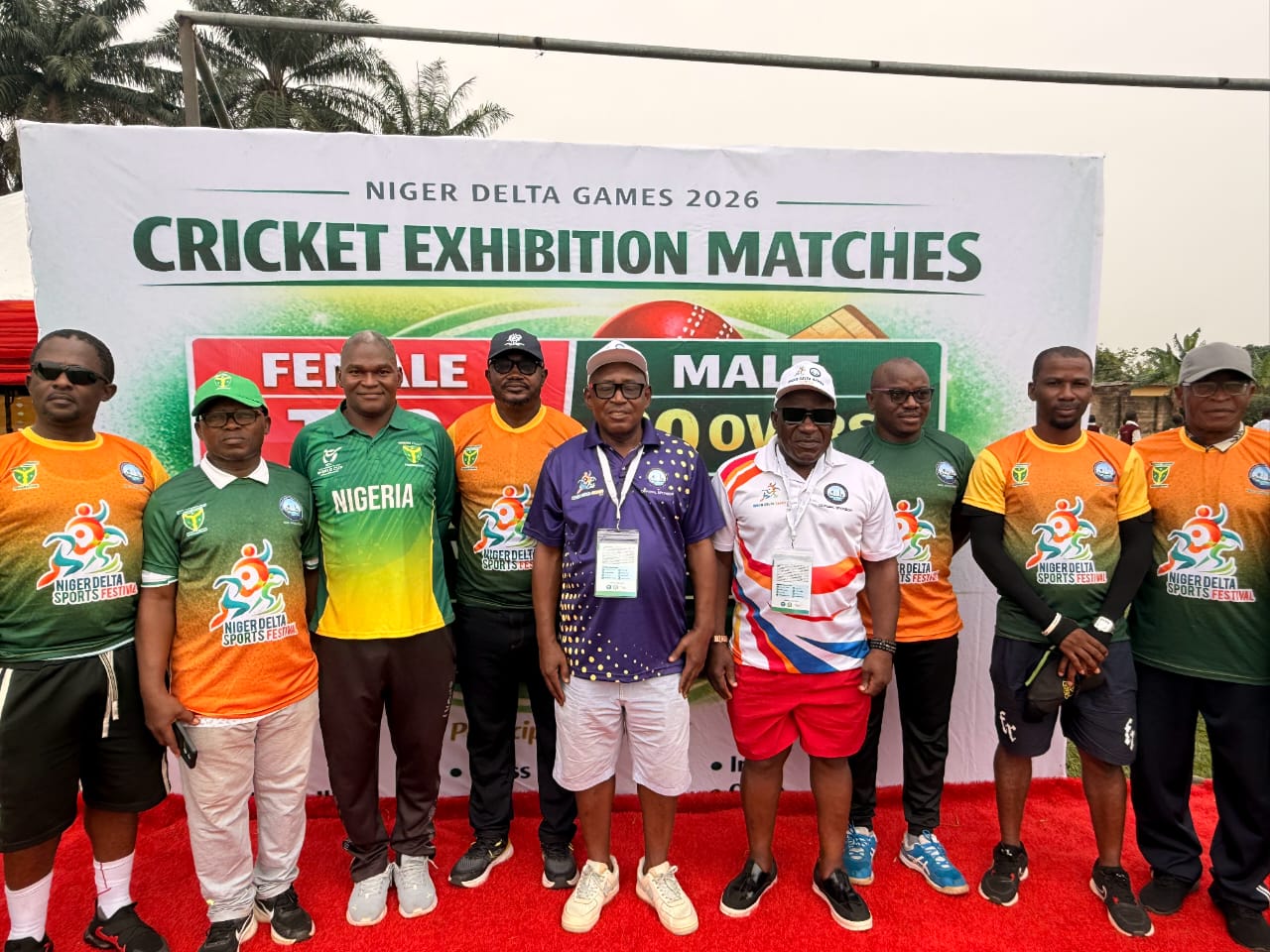
Five athletes have been disqualified from the ongoing Niger Delta Games following investigations into eligibility concerns ranging from age discrepancies to state-of-origin violations.
According to findings contained in the official protest report, Otunla Kolade Israel (Edo State) was disqualified and stripped of his medals in swimming after his National Identification Number (NIN) indicated he is from Ikorodu, Lagos State.
The athlete had won five gold medals and one silver, all of which have now been withdrawn.
In handball,
John Vera and Ayimba Maria (Bayelsa State) were both disqualified on grounds of age declaration, with documentation reportedly showing they were overage for their category.
Goodness Ekunke (Chess) was also disqualified after inconsistencies were discovered in submitted eligibility documents.
Meanwhile, Okafor Adolphus (Ondo State, Athletics) was removed from the competition following investigations that revealed issues relating to state of origin and age declaration. Investigations reveal he is from Anambra State.
However, not all protested cases resulted in sanctions.
Bright Joel Udoh (Edo State, Table Tennis) and Wisdom Chibueze Nweke (Abia State, Tennis) were cleared after reviews found insufficient grounds for disqualification.
In athletics, Ngozi Okereke Treasure (Delta State) was deemed eligible to compete despite an age discrepancy flagged by the Athletics Federation of Nigeria, as no legal documentation was provided to substantiate the claim.
The disciplinary decisions underscore the Games’ commitment to upholding eligibility rules and maintaining competitive integrity across all participating states



Sports
Montage Community Football Tourney Registration Ends October 30
Cyril Ogar
Registration for the 2026 edition of the Montage Community Football Tournament will close on Friday, October 30, organisers have announced.
The tournament coordinator, Mr Raphael Ekpang, disclosed this on Thursday, urging interested teams across the six Area Councils of the Federal Capital Territory (FCT) to take advantage of the remaining days to register.
Ekpang said registration had been ongoing since Monday, encouraging eligible teams to complete the process before the deadline.
The tournament, themed “Montage FM 99.7: Empowering Youth, Uniting Communities Through Football,” is scheduled to kick off on November 3, 2026, with playoffs across the six Area Councils of the FCT.
The grand finale will hold on December 5, 2026, at the Old Parade Ground, Garki Area 10, Abuja, where the top four teams will compete for first-, second- and third-place honours.
A total of 48 teams will participate in the competition, with eight teams representing each of the six Area Councils.
The participating teams will compete for cash prizes worth over ₦2 million and other valuable rewards.
-
 Featured7 years ago
Lampard Names New Chelsea Manager
-
 Featured7 years ago
FG To Extends Lockdown In FCT, Lagos Ogun states For 7days
-
 Featured7 years ago
Children Custody: Court Adjourns Mike Ezuruonye, Wife’s Case To April 7
-
 Featured7 years ago
NYSC Dismisses Report Of DG’s Plan To Islamize Benue Orientation Camp
-

 Featured5 years ago
Transfer Saga: How Mikel Obi Refused to compensate me After I Linked Him Worth $4m Deal In Kuwait SC – Okafor
-
Featured7 years ago
Board urges FG to establish one-stop rehabilitation centres in 6 geopolitical zones
-
Sports4 years ago
TINUBU LAMBAST DELE MOMODU
-

 News2 years ago
Zulu to Super Eagles B team, President Tinubu is happy with you