
Featured
GOVERNOR UGWUANYI BREAKS ANOTHER RECORD: THICKENING HIS BOND WITH THE JUDICIARY, THE LEGAL PROFESSION.

It was Robert Schuller the German author of the award-winning bestseller ‘Tough Times Never Last But Tough People Do’ who famously postulated that tough times no matter how harsh would always come and go when tough people are in charge. This admirable witticism becomes even more pertinent when tough leaders presiding over tough times are also endowed with rare humanitarian attributes such as milk of human kindness, fear of God, love, altruism, empathy and open-handedness.
To such leaders, tough times neither provide excuses for nonperformance nor embolden them to shirk their otherwise sacred obligations and responsibilities to their people. Rather, it provides a historic opportunity to touch lives in a very special way and in a manner that stands them out as go-getters, trailblazers, and lords over their tough situations.
Barely six months after the silent archiving Governor of Enugu State Rt. Hon. Lawrence Ifeanyichukwu Ugwuanyi broke a continental record by being the first African pillar of sports to fund a football club’s life assurance scheme to the extent of dolling out a whooping life assurance package of #20 million( through Rangers International) to its maiden beneficiary, the welfarist Governor has scored yet another first. He has this time approved and released a staggering sum of #24.6 million to as many as 246 law students of Enugu state origin at the Nigeria Law School. Under the novel humongous package, each benefitting student received the sum of #100,000( one hundred thousand naira only) to cushion the hardship he or she undergoes while in the nation’s elite school of jurisprudence.
By this gesture, Governor Ugwuanyi has once again gone down in history as the very first occupant of the lion building to offer such a lifeline to law students and the second after Chief Jim Nwobodo as Governor of the old Anambra state to pay bursary to students.
It would be recalled that both the Rangers’ life assurance feat earlier referred to as well as the law students’ novel intervention, took place between the months of June and July this year when the Coroner pandemic was at its peak, virtually crippling the entire world economy. A very critical time when some oil-producing states joined many other states to owe workers’ salaries thereby compounding the misery in a countless number of homes.
Not so for Enugu state by courtesy of a tenderhearted and empathetic leader in the person of Governor Lawrence Ifeanyichukwu Ugwuanyi who God brought just at the right time to save his people from anguish. No wonder the slogan that Enugu state under Governor Ugwuanyi is in the hands of God is hardly ever controvertible. Aside from paying regularly the most decent new minimum wage East of the Niger despite the pandemic meltdown and with paltry receipts from low oil revenue, the amiable Governor also found it necessary to remember as many as 246 indigent law students of Enugu state origin some of whom would have dropped out and ended their dreams of becoming lawyers had he not graciously and providentially intervened.
Those conversant with the environment of the law school would readily attest to the fact that the knowledge-intensive, highly revered, and the regimented institution has always been systemically programmed to prevent poor students from gaining access( or graduating even after admission) as it is often the mantra of law lecturers right from the university that the legal profession is jealously reserved for the noble and not for everybody.
To ensure that the exclusion and elimination conspiracy is sustained, it now takes a minimum of #2 million or thereabouts for a law school student to graduate from the yearlong professional programme. That excludes books and materials of different colorations and which is in fact the student’s business and no one else’s. Many law graduates for that reason do not bother to apply for admission into the institution to obtain a professional certificate and make do with their law degrees( LLB Hons.) which at best makes them academic lawyers.
It is against this background that many forward-looking people see what Governor Ugwuanyi did for the law students of Enugu state origin as highly remarkable, legendary, and humanitarian in ramifications. The 246 law students favoured will forever remain grateful to the tender-hearted Governor who God placed on the saddle during their own time to enjoy a privilege their predecessors never had.
The questions many have been asking since the Governor’s landmark gesture include: how come all the previous Governors before Ugwuanyi turned deaf ears to the hearty supplications of the poor law school students over the years despite the huge oil revenues at their disposal compared to the pitiable situation today? Did they not take into account the fact that such strategic intervention was absolutely necessary to beef up the state’s judicial manpower thereby placing it in a position of strength to compete for federal judicial appointments?
That’s a matter for another day.
Nevertheless, this gives credence to the protestations by well-meaning people that good governance goes beyond the mere provision of basic physical infrastructure( such as roads and bridges) but extends most importantly to the development of the human capital and without which both the government, the road or bridge contractor as well as laborers hired, all labour in vain as the human capital is indispensable to the management and continuous enjoyment of whatever is provided.
This latest welfarist intervention has therefore not only added to Governor Ugwuanyi’s many firsts in many areas but also singled him out as one of the greatest pillars of the judiciary not only in the state but also the country at large. From the unprecedented mass construction of judicial complexes in all the local government areas( being completed at the same time) of the state including brand new ultra-modern High and Magistrate court buildings, state-of-the-art Customary Court of Appeal complex situated at the three arms zone of the coal city, ongoing renovation of the state judicial headquarters, to the engagement of many new High Court judges and magistrates as well as over 150 law officers to quicken the dispensation of criminal justice and decongest the prisons, the Enugu state judiciary, in particular, has never had it so good.
From Josephat Omeke Esq. Writing from Enugu



Business
Turning Africa’s Raw Materials Into Wealth: The ARMS 2026 Industrial Agenda
By Joel Ajayi
For decades, Africa’s vast natural resources have powered industries and economies far beyond the continent, while many African countries have remained largely exporters of unprocessed commodities and importers of finished products.
That familiar pattern is now coming under renewed scrutiny as policymakers, researchers, investors and industrialists seek to change the direction of Africa’s resource economy.
At the centre of that conversation is the second edition of the Africa Raw Materials Summit (ARMS 2026), scheduled for October 19 and 20 at the Abuja Continental Hotel, Abuja, under the theme: “From African Feedstock to African Factories.”
Organised by the Raw Materials Research and Development Council (RMRDC), the summit is being positioned as more than another gathering of policymakers and industry stakeholders. It is intended to provide a platform for confronting the structural challenges that have kept African raw materials largely disconnected from local manufacturing.
Africa has for years operated largely within a “pit-to-port” economic model, exporting raw materials while importing expensive finished products.
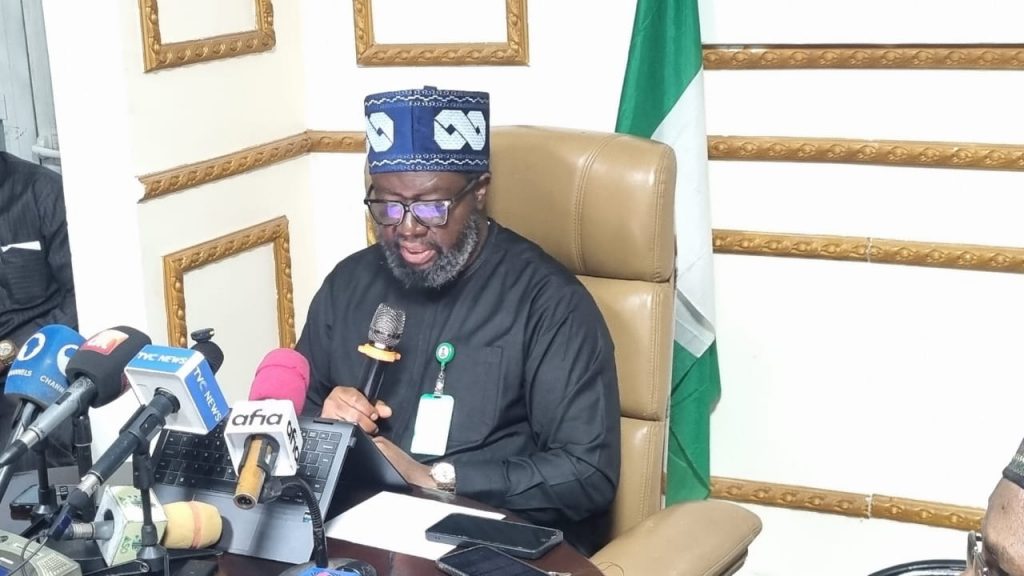
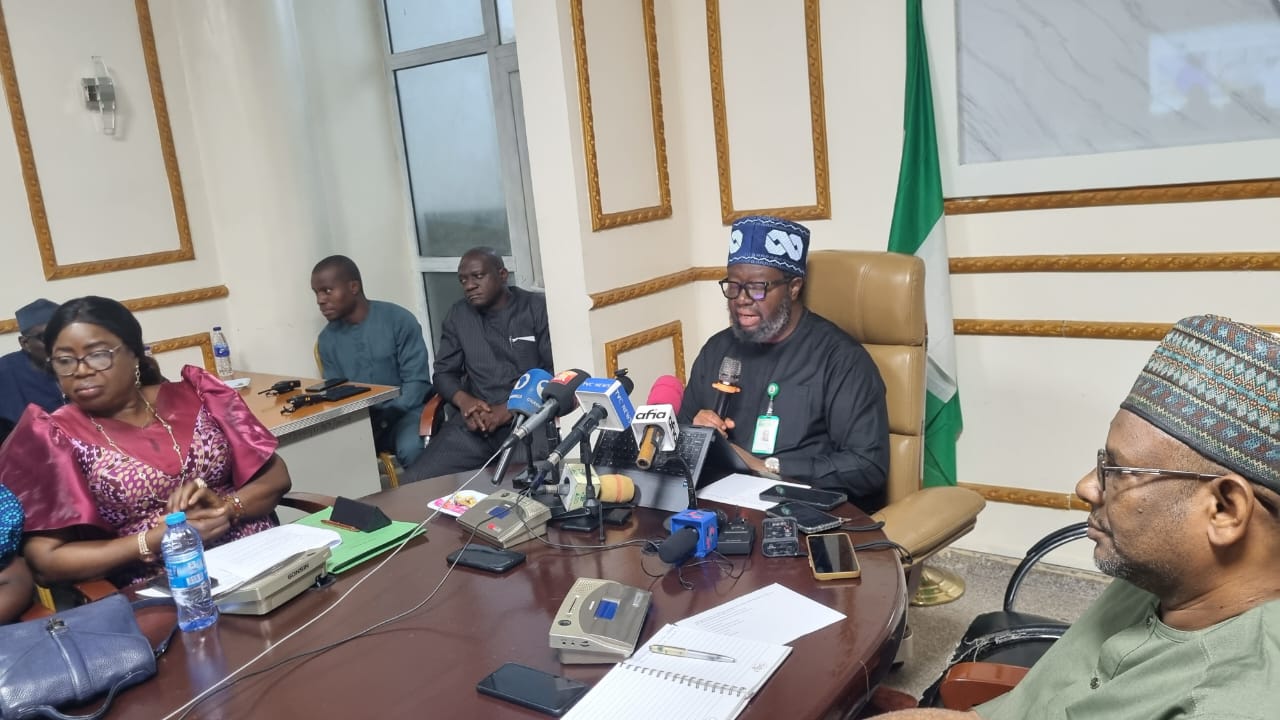
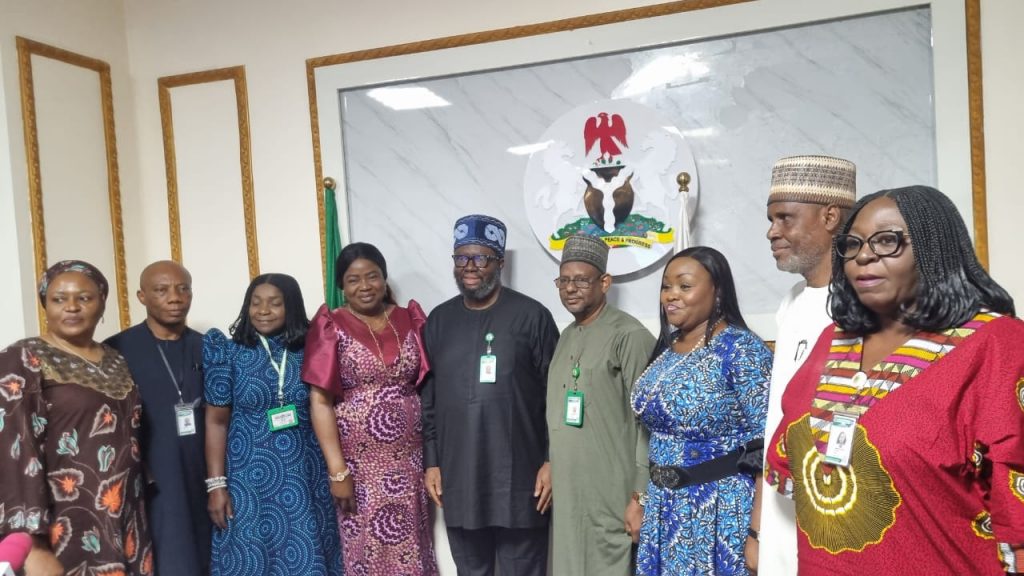
Speaking at a press conference ahead of the summit on Tuesday in Abuja, the Director-General and Chief Executive Officer of RMRDC, Prof. Nnanyelugo Martin Ike-Muonso, said the event would bring together policymakers, investors, researchers, technology providers and industrialists to develop practical strategies for transforming Africa’s abundant natural resources into industrial wealth.
The challenge, therefore, is not simply the abundance of resources, but the continent’s ability to transform those resources into industrial value, employment, technology and wealth within Africa.
Nigeria alone, according to the RMRDC, has more than $582.4 billion in documented non-renewable natural resources, while the wider continent possesses substantial deposits of critical minerals, agricultural raw materials and industrial feedstock.
Yet, the benefits of this resource endowment have often been constrained by inadequate processing capacity, weak infrastructure, limited technology, financing gaps and fragmented regional value chains.
From Dialogue to Industrial Action
ARMS 2026 builds on the maiden edition held in May 2025, which attracted more than 1,000 delegates from across the world.
The inaugural summit also witnessed the unveiling of the Ten-Year Raw Materials Transformation Roadmap (2025–2034) by the Minister of State for Industry, Senator John Owen Enoh.
The roadmap was designed around areas including technological capability, climate-resilient processing and backward integration, establishing a policy framework for greater domestic utilisation of Africa’s raw materials.
The second edition is expected to move the conversation further by bringing policy, capital, technology and industrial stakeholders around practical mechanisms for turning raw materials into locally manufactured products.
One of the major proposals highlighted by the RMRDC is the 30 per cent Mandatory Value Addition Bill, which seeks to establish a statutory minimum level of value addition to Nigerian raw materials before export.
The Council says the proposed framework could support job creation, import substitution, foreign-exchange conservation and increased manufacturing contribution to the economy.
Building the Infrastructure for Value Addition
The industrial transformation envisaged by ARMS 2026 goes beyond legislation.
A major concern is the “missing middle” between where raw materials are produced and where factories are located.
Poor transportation networks, inadequate cold-chain facilities, weak rural roads, limited testing and certification infrastructure and border-related delays can make locally sourced materials more expensive and less competitive.
Consequently, logistics and infrastructure constitute one of the five principal pillars of the summit.
The objective is to develop more reliable corridors connecting farms and mines with processing centres and manufacturing facilities, thereby reducing losses and improving the movement of industrial inputs.
The Digital Dimension
Technology is also becoming an important part of the Council’s strategy.
The RMRDC says it has developed the Nigeria Integrated Information Statistical System for Raw Materials and Products (NISSRAMP), described as a digital repository containing information on feedstock deposits, specifications, production outputs and industrial absorption rates.
The Council has also highlighted its transition towards paperless operations and its certification as a Data Controller/Processor of Major Importance by the Nigeria Data Protection Commission.
Such digital infrastructure could provide investors and manufacturers with better information about the availability and characteristics of raw materials while supporting more informed industrial planning.
Turning Waste Into Industrial Inputs
Another major component of ARMS 2026 is the proposed expansion of the circular economy.
The summit will examine how agricultural by-products, mine tailings, scrap metals and biomass can be recovered and reused as inputs for new production processes rather than being treated simply as waste.
The RMRDC argues that such an approach could lower raw-material costs while supporting more sustainable and climate-resilient manufacturing systems.
For Africa, where industrial expansion must increasingly balance economic development with environmental considerations, waste industrialisation could become an important part of the continent’s manufacturing conversation.
From National Production to African Value Chains
The African Continental Free Trade Area is another important element of the summit’s agenda.
The RMRDC sees AfCFTA as an opportunity to create regional value chains in which raw materials sourced in one African country can be processed and supplied to manufacturers in another.
Under such a model, Africa would move beyond simply exporting commodities to external markets and develop stronger internal networks for supplying chemicals, refined minerals, agricultural inputs and other industrial materials across national borders.
This approach places regional integration at the heart of Africa’s industrialisation strategy.
Bridging Research and Capital
A recurring weakness in many developing economies is the gap between research and commercialisation.
Innovations may emerge from universities, research institutions and laboratories without receiving the financing, equipment or market connections required to become commercially viable.
ARMS 2026 intends to address that gap through technology commercialisation and capital linkages, connecting research outputs with investors, development finance institutions and industrial off-takers.
The RMRDC has also cited partnerships with the Bank of Industry for commercial-scale post-harvest processing and a South-South technology-transfer partnership with the National Innovation Centre par Excellence in Shanghai, China.
A Larger Industrial Conversation
The scale of ARMS 2026 is expected to be significantly larger than the maiden edition.
The organisers project more than 1,800 delegates from all 54 African countries and global industrial partners.
The programme will feature high-level policy dialogues, technical panels, an advanced raw materials and technology exhibition, industrial site visits and the African Raw Materials Industry Awards.
The exhibition, in particular, is expected to showcase locally fabricated processing machinery, advanced domestic materials, green chemicals and engineered commercial inputs.
Beyond the speeches and exhibitions, however, the real significance of ARMS 2026 will ultimately depend on what happens after the summit.
Africa’s challenge has never been a shortage of raw materials. The more difficult question has been how to transform those resources into factories, products, skilled employment, technology and sustainable economic opportunities.
For Nigeria and the rest of the continent, the proposed shift from “pit-to-port” to “feedstock-to-factory” therefore represents a broader debate about the future structure of African economies.
ARMS 2026 seeks to place that debate firmly on the industrial agenda — with value addition, technology, finance, infrastructure, circular production and regional trade at the centre.
If the commitments and partnerships generated by the summit translate into measurable industrial activity, the event could provide another platform for Africa to examine how its enormous resource base can support stronger domestic manufacturing.
The message from the organisers is clear: the continent’s raw materials should not only leave African soil as commodities; they should increasingly become the foundation for African industrial production
-
 Featured7 years ago
Lampard Names New Chelsea Manager
-
 Featured7 years ago
FG To Extends Lockdown In FCT, Lagos Ogun states For 7days
-
 Featured7 years ago
Children Custody: Court Adjourns Mike Ezuruonye, Wife’s Case To April 7
-
 Featured7 years ago
NYSC Dismisses Report Of DG’s Plan To Islamize Benue Orientation Camp
-

 Featured5 years ago
Transfer Saga: How Mikel Obi Refused to compensate me After I Linked Him Worth $4m Deal In Kuwait SC – Okafor
-
Featured7 years ago
Board urges FG to establish one-stop rehabilitation centres in 6 geopolitical zones
-
Sports4 years ago
TINUBU LAMBAST DELE MOMODU
-

 News2 years ago
Zulu to Super Eagles B team, President Tinubu is happy with you