
Opinion
Sir Itiako Ikpokpo: Recharging Sports in the Niger Delta

By Fred Edoreh
In the quiet of his home in Asaba, Delta State, Sir Itiako Ikpokpo called a few people together to discuss Nigeria sports. He was concerned about the dwindling fortunes of the sector, and the immediacy of his concern was accentuated by Team Nigeria’s return from the Paris 2024 Olympic Games without any medal.
He recalled that the two medals won by Nigeria at the preceeding Tokyo 2020 Olympic Games were delivered by Ese Brume and Blessing Oborodudu, both from Delta and Bayelsa states, and that in the glory days of the Super Eagles, when the team won the Tunisia ’94 Africa Cup of Nations, qualified to the USA 94 FIFA World Cup, its first time, and won the football gold at Atlanta ’96 Olympic Games, the teams were heavy with players from the Niger Delta region.
Truly, those successes were anchored by the likes of Stephen Keshi, Augustine Eguavoen, Finidi George, Samson Siasia, Sunday Oliseh, Austin Okocha, Victor Ikpeba, Friday Ekpo, Friday Elaho, Jonathan Akpoborie, Nduka Ugbade, Wilson Oruma, Nwankwo Kanu Taribo West, Emmanuel Amuneke and many more Niger Deltans.
Similarly, the beautiful days of Nigeria women football paraded the likes of Captain Florence Omagbemi, Patience Avre, Mercy Akide, Stella Mbachu, Maureen Madu, Perpetual Nkwocha, Vera Okoro, Florence Ivwueta, Efionwan Ekpo, and others from the region, with clubs like Pelican Stars of Calabar, Ufuoma Babes of Warri, Rivers Angels of Port Harcourt and Delta Queens of Asaba, providing the nucleus.
Nigeria secured African, Commonwealth, Olympic medals and world reckoning in boxing with names like Isaac Ikhuoria, Hogan ‘Kid’ Bassey, Davidson Andeh, David Izonritei, Peter Konyegwachie, Jerry Okorodudu, Samuel Peters, Efetobore Apochi, Efe Ajagba and more. All Niger Deltans.
The story is the same in weightlifting, tennis, wrestling, the para sports, table tennis, and athletics with the likes of Oliver Orok, Chioma Ajunwa, Enefiok Udo-Obong, Endurance Ojokolo, Mercy Nku, Gloria Alozie, Patience Okon, Gloria Kemasuode, Tamunosiki Atorudibo, Yusuf Ali, Henry Amike, Charlton Ehizuelen, Nduka Odizor, the Offiong sisters, Cecilia and Edem, Blessing Okagbare, Seun Ogunkoya and more.
He also recalled with relish the global energy which the Ogbe Hard Court brought to Nigeria but regretted that it is no longer in existence.
“As we can see, things have fallen badly apart, and we must do something to revive our sports,” he declared.
“It is not enough to just rue our declining fortunes, blame sports administrators, and fold our hands. All of us who love sports and understand its power in the transformation of society must do something from any space we find ourselves. We need to do this to recover and sustain the place of the Niger Delta in sports, for the benefit of our people and for the nation, by extension.”
Ikpokpo may have been in the circle of friends who are sports administrators, but he is better known as a politician, entrepreneur, and public servant.
A former Students Union President of the University of Port Harcourt, he was a two-time Chairman of Isoko South Local Government Council, Director General of the Association of Local Governments of Nigeria, ALGON, he has been quietly minding his business, Dunamis Icon Limited, with interests in transportation, catering, hospitality, entertainment, event management and business consultancy services.
Yet, he has always recognized the economic potentials of sports and has had a burning zeal for the repositioning and development of sports, especially at the grassroots levels.
Accordingly, as Chairman of the Delta State Chapter of ALGON, he introduced the Local Governments Sports Festival in Delta State, a project which should have been escalated and elevated nationwide, had the national leadership of ALGON caught the vision.
Obviously not deterred, he reasoned that the Niger Delta, being the bastion of sports in Nigeria, must take the lead and show the way. Thus was the Niger Delta Sports Festival born.
The idea of the festival was to spark massive enthusiasm, greater interest, involvement, and participation in sports in the grassroots and inner communities of the region, to precurse the enduring deliverables of talent discovery, grooming and nurturing of outstanding athletes unto high performance class, all aimed at empowering and uplifting the youth of the Niger Delta through sports.
As noble as the intention is, the challenge was always going to be funding, but as they say, “where there is a will, there is a way.” In finding the way, Ikpokpo identified the Niger Delta Development Commission as a fitting anchor for the cause.
The NDDC has been intervening in the provision of multi sectoral infrastructure and various forms of youth and women empowerment across its mandate state for the 25 years of its establishment, and Ikpokpo thought that the Commission should as well intervene in a bigger way to uplift the sports sector of the region, especially to provide the teeming youth population a wider and more global consciousness beyond the expectations from the region’s crude oil.
Ikpokpo’s presentation to the NDDC was articulate and moving, but he says that the real heroes are the leadership of the NDDC, which not only fully understood the dynamics of development, but also had even far deeper convictions about the power of sports.
“The Chairman of the Board, Chiedu Ebie, had sourced private sector sponsorship to revive the Principals Cup in Delta State, while as Commissioner for Education, with the programme running into its tenth year.
The Managing Director and Chief Executive Officer, Dr Samuel Ogbuku, is not only a protagonist for all-around development of the Niger Delta, he has an unquenchable passion for youth development through the multiple platforms, and he is leading the repositioning of the NDDC into a more transformative institution, for deeper and more enduring impact on the people.
The Executive Director, Administration and Finance, Alabo Boma Iyaye, had been three times Commissioner of Sports in Rivers State. He not only understood exactly what was at stake, he knew the needed bricks to the works and when and how to deploy them. Then, there is Hon Erhiatake Ibori-Suenu, Chairman of the House of Representatives Committee on the NDDC, who takes the overall development and progress of the Niger Delta so heartily personal,” he revealed.
“These are the people who gave heart, flesh, life and blood to what has now become a movement for the revival of sports in the Niger Delta. They not only agreed with our proposition, they possessed it, deepened its reaches and gave it impetus as a platform for the building of greater, unity, friendship and integration of the region, recast it as a platform to retell the true story of a unique people whose abiding greatness and cultural identity have been seemingly shadowed by their oil wealth, and positioned it as a pad for the empowerment of the people to unleash their innate wealth of talents across all spheres of life.
“Their understanding, foresight, passion and commitment, provided the enabling atmosphere for us at Dunamis Icon to execute the project.”
Ikpokpo was strategically disruptive and innovative in conceptualisation, recruitment, and operations in pursuit of the success of the Niger Delta Sports Festival.
As they say, the rest is history. Nigerians have adjudged it as one of the most valuable, best organised, and highly enjoyed events in the nation’s sporting history.
Not only were the grassroots and inner communities across the over 185 local government areas of the Niger Delta region been awakened to sports, but the youngsters who made it to Uyo have had a life changing exposure and positively challenging experience.
The host state, Akwa Ibom, has been left a legacy of upgraded sports facilities, but even more celebratory is the programme put in place for the continued nurturing of the youngsters discovered at the festival, the quintessential victory for not only the region, not only the sports community, but for the entire nation.
Fred Edoreh is a former Chairman of the Lagos State Chapter of the Sports Writers Association of Nigeria (SWAN)



Opinion
China-Africa Cooperation: Tackling Insecurity Through Development
Lt. Gen. Abdulrahman B. Dambazau (rtd), PhD, CFR, Ambassador of the Federal Republic of Nigeria to the People’s Republic of China.
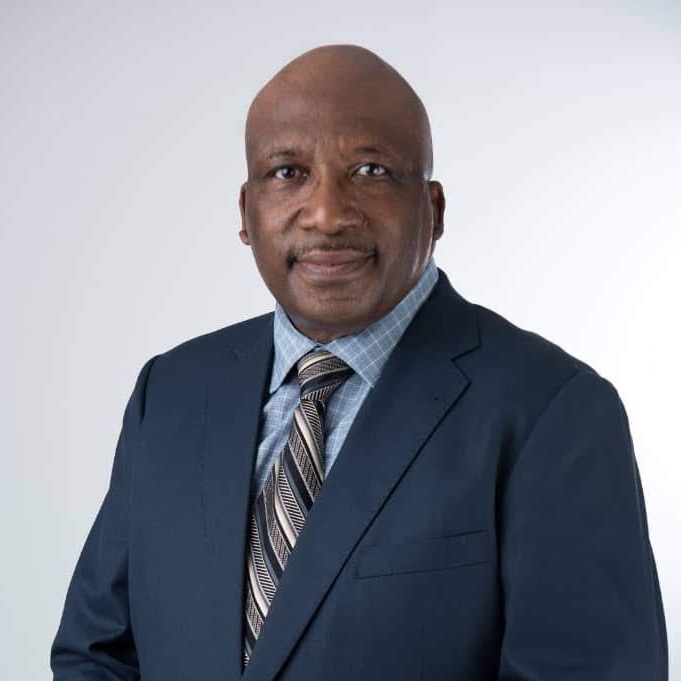
By Lt. Gen. Abdulrahman B. Dambazau (rtd), PhD, CFR
A farmer who cannot safely reach his land, a child whose school has closed because of violence, and a young graduate unable to find productive employment experience insecurity in different ways.
Their circumstances reveal a common challenge: lasting peace requires protection from violence and the opportunity to live with dignity. This connection should occupy a central place in China–Africa cooperation.
My experience in military leadership, internal security and diplomacy has reinforced my conviction that security operations must form part of a broader national effort. Armed forces and law enforcement agencies have indispensable responsibilities to protect communities, confront violent groups and uphold the law.
The gains they secure become durable when legitimate institutions, functioning services and economic opportunities take root.
Development is therefore a strategic component of security. Where communities can farm, trade, learn and obtain justice, they have stronger foundations for resisting the pressures that sustain violence.
Poverty does not automatically produce terrorism or criminality. Millions endure hardship without turning to violence. Insecurity also arises from political exclusion, contested resources, extremist ideologies, organised crime and institutional weakness. Nevertheless, prolonged deprivation and a lack of credible opportunities can create vulnerabilities that violent actors exploit.
Effective policy must address both those actors and the conditions that enable their influence.
China–Africa cooperation offers a framework for advancing this approach. The Forum on China–Africa Cooperation’s Beijing Action Plan for 2025–2027 brings peace and security into the same programme as industrialisation, agriculture, infrastructure, education, public health and green development. Its significance lies in the opportunity to connect these fields through practical implementation.
China’s development experience provides useful lessons. A joint study by the World Bank and Chinese institutions reported in 2022 that, over the preceding four decades, the number of people in China living below the international extreme-poverty line then in use had fallen by close to 800 million.
The study emphasised economic transformation alongside targeted poverty reduction measures. African countries can examine how agricultural productivity, infrastructure, education and employment expanded opportunity, while adapting relevant lessons to their own circumstances.
Africa’s countries have distinct histories, political systems and development priorities. Cooperation will achieve more when African governments define their needs clearly and negotiate partnerships that strengthen domestic capabilities. African ownership must guide project selection, implementation and assessment.
Agriculture should be an immediate priority. In communities affected by insecurity, restoring farming and rural commerce can support recovery and stability. Cooperation in irrigation, improved seeds, machinery, storage, processing and extension services can raise productivity and strengthen livelihoods. Investment should be accompanied by secure access to land, fair arrangements for managing water and grazing resources, and credible mechanisms for resolving disputes.
A processing facility has greater value when farmers can reach it safely, receive fair payment and access wider markets. Communities emerging from violence also need assistance that enables displaced families to return voluntarily, safely and with dignity, and rebuild sustainable livelihoods. Development planning and security planning must meet at this practical level.
Reliable electricity and productive industry are equally important. Power supply enables workshops, factories, health facilities and digital enterprises to function. Industrial cooperation should create opportunities for African workers, suppliers and entrepreneurs, with clear provisions for skills transfer and the maintenance of equipment and facilities.
Young people need realistic pathways from education to work. Technical training should connect to actual demand in manufacturing, construction, agriculture, logistics and technology. Programmes should be assessed by the capabilities and employment they produce. Partnerships between training institutions and employers can help ensure that qualifications lead to productive work.
Infrastructure must be judged by the economic activity and public services it enables. A railway, road or port can support national integration and trade, but its wider benefits depend on connections to local production and affordable access. Project planning must account for maintenance, environmental protection, community interests and financial sustainability. Financing arrangements should be transparent, with repayment obligations assessed against realistic economic returns and public resources.
Education and health deserve the same strategic attention.
Schools help communities recover continuity and hope after disruption. Accessible healthcare reduces household vulnerability and strengthens confidence in public institutions. Cooperation among universities, research centres, hospitals and technical colleges can build the expertise African countries need to sustain these services.
Women must participate fully in this work. Their livelihoods, access to services and involvement in local decision-making matter to household resilience and community recovery. Programmes designed without their participation risk overlooking essential needs and sources of knowledge.
Development cannot compensate for injustice. Communities require fair policing, accessible courts, accountable administration and protection from abuse. A school or clinic will contribute more to lasting stability where citizens also trust public institutions to treat them fairly. Economic investment and institutional reform should proceed together.
Security cooperation should reinforce these foundations. Professional training, peacekeeping capacity, maritime security, action against illicit arms and stronger responses to organised crime can help protect development gains.
Such cooperation should uphold national law, human rights and accountability. Its ultimate purpose must be the safety of people and the strengthening of legitimate institutions.
For Nigeria, the Comprehensive Strategic Partnership established during President Bola Ahmed Tinubu’s September 2024 visit to China provides a framework for pursuing these objectives. It offers an opportunity to connect bilateral cooperation more closely with Nigeria’s priorities for economic transformation and national security.
The next task is disciplined implementation. Every major commitment should have an identified responsible institution, a financing arrangement, a timetable and measurable outcomes. Proposed projects, signed agreements, funds disbursed and completed investments represent different stages of progress. Public reporting should make those distinctions clear.
We should ask practical questions. Has an agricultural project improved farmers’ incomes? Has an industrial investment created sustainable employment and developed local suppliers? Has training transferred skills that institutions can retain? Have communities affected by conflict gained safer access to schools, healthcare and markets?
These questions should guide the assessment of cooperation. They also require African governments to fulfil their own responsibilities: coordinating institutions, protecting public resources, maintaining infrastructure and ensuring that investment benefits communities fairly. Regional cooperation is essential where trade routes, shared resources and security threats cross national borders.
China–Africa cooperation can contribute substantially to peace when development expands opportunity, institutions earn public trust and security agencies protect citizens effectively. Its lasting achievement should be visible in ordinary lives: farmers returning safely to their fields, young people securing worthwhile work and children remaining in school. These are the foundations on which a more secure Africa can be built.
_Abdulrahman B. Dambazau is a retired Lieutenant General, former Chief of Army Staff and former Minister of Interior. He is currently the Ambassador of the Federal Republic of Nigeria to the People’s Republic of China. He writes from Beijing, China._
-
 Featured7 years ago
Lampard Names New Chelsea Manager
-
 Featured7 years ago
FG To Extends Lockdown In FCT, Lagos Ogun states For 7days
-
 Featured7 years ago
Children Custody: Court Adjourns Mike Ezuruonye, Wife’s Case To April 7
-
 Featured7 years ago
NYSC Dismisses Report Of DG’s Plan To Islamize Benue Orientation Camp
-

 Featured5 years ago
Transfer Saga: How Mikel Obi Refused to compensate me After I Linked Him Worth $4m Deal In Kuwait SC – Okafor
-
Featured7 years ago
Board urges FG to establish one-stop rehabilitation centres in 6 geopolitical zones
-
Sports4 years ago
TINUBU LAMBAST DELE MOMODU
-

 News2 years ago
Zulu to Super Eagles B team, President Tinubu is happy with you













