
Featured
2020 World Refuge Day:AUXANO Fountain, Partners Takes Advocacy To IDPs At Kuchingoro Camp
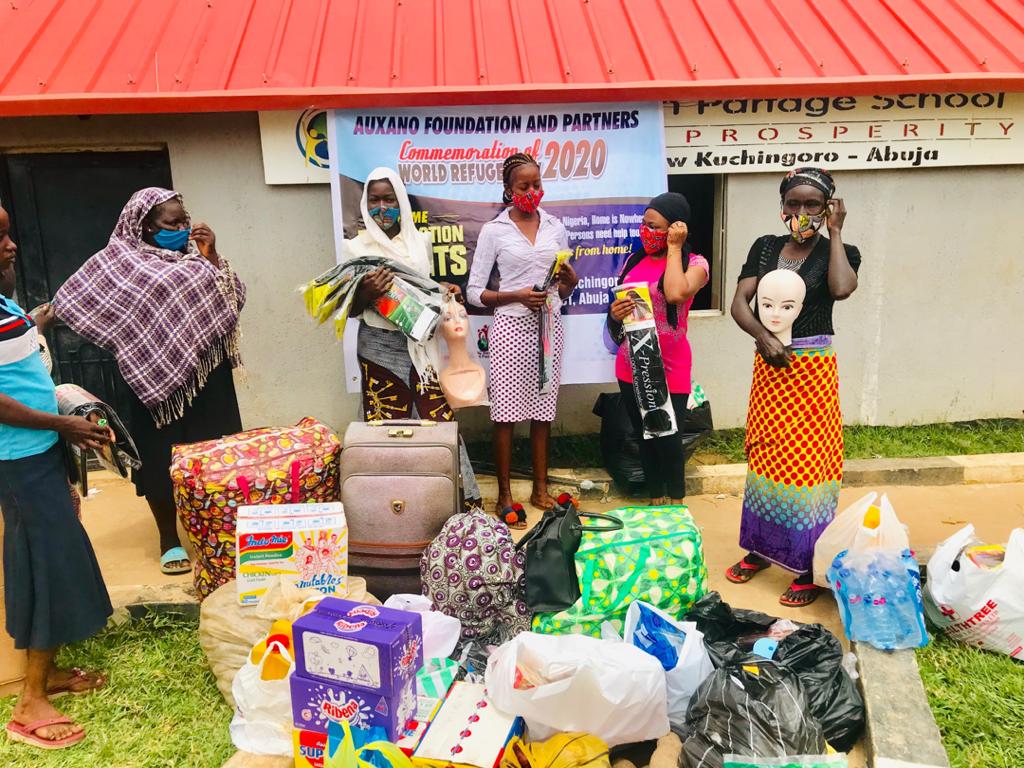
…Distributes food, gifts item
Cyril Ogar
As part of its determinations to raising awareness no the plights of displaced Persons in Nigeria, Auxano Foundation for Empowerment and Development (AFED), a non governmental organisation and the partners have taken advocacy to Kuchingoro IDP camp in commemoration of the 2020 World Refugee Day.
The partners which Teach for Change Nigeria, Yudee Foundation and Healthy and Smart Children Foundation as well as some Nigerians at home and those Diaspora; US, UK and Turkey.
AFED who is more concerned about the deploring situations endured by IDPs across the nation were motivated to bring the issues of IDP to the world considering the many similarities they share with Refugees even though they live in their own country.
Based on this the group stormed the IDP camp Kuchingoro in Abuja on Saturday to commemorate this day with the United Nations under the theme “Every Action Counts”.
Speaking at the event the current Chevening Scholar in the UK Ms. Igoh Lawrenta Igoh applauded Team Auxano and partners for their foresight to visit the IDP camp.
She informed that in February 2019 while on a Research mission she and the Team visited camp for a situation and need assessment analysis and discovered with dismay that apart from the traumatic legacies of been attacked by terrorist, driven from communities of origin and robbed of loved one that led to their displacement in the first place, displaced person suffer even more trauma from social exclusion, poor living standards, sexual abuse, at the camp.
“As the world commemorate the 2020 world Refugee Day today, our minds are drawn to hundreds of thousands of people across the world who have been forcibly displaced (Refugees, Asylum-Seekers and Internally Displaced Persons); those who have found durable solution (Returnees) and those who are Stateless that touches on every country across the world in different ways and with different faces” she said.
Also, on May last Month, the Team were in Niger State on a project called Pandemic Commicare taking food, sensitization and hope to a secluded community called the Leper Colony in Niger State at the heat of COVID-19.
One of the inspiration behind this project, Ms. Stephanie Agba who is Team member and currently a PhD student based in the US told our Reporter that the thought of people dying from hunger in an attempt to save their lives from a virus during the covid-19 enforced lockdown in Nigeria was daunting to me especially as a young girl who understands very well, from experience, what it means to have no food at home, and who can imagine how difficult this period would be for families whose source of livelihood have been either compromised or cut off totally due to regulations surrounding the covid-19 breakout, not to talk of individuals who generally just have no livelihood at all due to life circumstances.
And this is what encouraged me to reach out to the founder of the
Auxano foundation and discuss ways we can work together to reach families in impoverished communities in Nigeria, and I am excited that this has become a reality not only on the “world refugee day” when we reach out to refugees in IDP camps in Abuja but also on other projects we’ve worked on together for the same course.
She commended the Team and volunteers of Auxano Foundation for their active citizenry and commitment to development in Nigeria.
According to her “Auxano Foundation is a great platform through which people with the dream and desire to, have been able to reach out to the less privileged in impoverished communities, and so kudos to the Auxano team members and facilitators, for making it their duty to try to make the world a better place for everyone one day at a time, as they work towards changing the lives of many for the better.
on his own, founder of YUDEE Foundation Chevening Scholar, Uduak Akpanedet, encouraged the Internally Displaced Persons to never give up no matter their current situation, with a positive mental attitude they will overcome. “considering all the tragedies in my life to have been gifted in order to empower me to make a difference to others. I have been on the road with many thorns, but by the Grace of God those thorns could not overwhelm me and consequently, my life has become beautiful, and I could give beauty to people’s lives. Using her own example, she informed.
“I started seeing myself as an agent of change who is passionate about making positive change and bringing about the imperativeness in society following my experiences in life. I discovered that the problems and challenges of humanity are mostly caused by poor orientations given to children and youths while growing up. I have been through tough times in life but today I am in the UK because I did not let my situation define me”.
Another Partner, the founder of Teach for Change Nigeria (TFCN) Ms. Jennifer Chinenye Emelife currently in the UK undertaking a research on refugees and education for the IDPs informed our correspondence that.
“There has been a global focus on refugees and this is understandable. Involving a large number of people frequently risking their lives by crossing borders sometimes with no legal permission, refugees – particularly the children, are highly vulnerable. While this is true, the international prominence of the issue of refugees has resulted to a sort of neglect of those who are internally displaced. UNHCR, the UN agency for Refugees, records that about 65 million people around the world have lost their homes due to conflicts or disasters. 21 million are refugees, 42 million are internally displaced persons (IDPs).
Speaking further, she shares that as the world and the UN agency for Refugees centre on the refugees, it’s important to equally focus on the IDPs. They may not have crossed borders, but their experiences of loss, trauma and displacement are valid. IDps, just as the refugees, are in need of human rights protection and humanitarian assistance.
She thanks her team member, Ajifa Rachel, for representing TFCN at the mentoring session for the IDPs while calling on the society and government, “as we mark the World Refugee Day today, we are calling on the governments, NGOs, international bodies and indeed the public to not relent on meeting the needs of IDPs all over the world. These include access to food, education and livelihood opportunities, security and right to movement and property. What can you do for the IDPs today?
However, IDPs lamented a complete social exclusion by the government; absence of food, water, good housing, school, good road, portable drinking, telecommunication networks, electricity, hospital, police station, etc characterized this community. They are highly impoverished and thus at-risk community to human trafficking activities and terrorism and the women are constantly abused sexualkly and giving out to early marriages.
Highlights of the event was the mentoring session, skills acquisition including hair braiding for those who indicated interest to professionalize their skills in the last visit, presentation of humanitarian gifts, food, clothing, and household items by the groups.
Reacting to this visit, the IDP Leader thanked the Auxano Foundation, and partners home and diaspora for travelling long distance to get to them.
Shee further stated that the government should come to their rescue and make them feel like they matter in the country. As they have not enjoyed any dividends of civilization as the people despite their contribution to electoral process they presently suffer lack of accessible road, school,. Clinic, electricity and good water.
According to her, “Today is a call to all persons in authorities at the national and international fronts, neighbouring states, local communities, families and you, to pause and think for a moment what it means when HOME IS NOWHERE and make and take ONE ACTION that you’d have loved to be made or taken on your behalf if you were the one in the situation of displacements, seeking local and international protection, forced to leave your home, communities or places of residents or just fleeing situations of conflicts, civil unrest, and gross violations of human rights.”



Business
Turning Africa’s Raw Materials Into Wealth: The ARMS 2026 Industrial Agenda
By Joel Ajayi
For decades, Africa’s vast natural resources have powered industries and economies far beyond the continent, while many African countries have remained largely exporters of unprocessed commodities and importers of finished products.
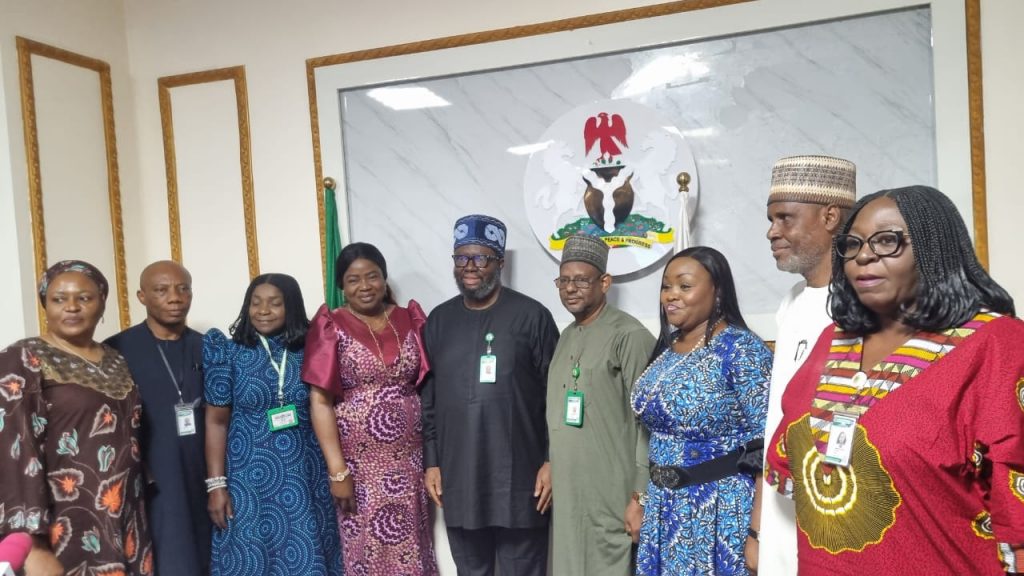
That familiar pattern is now coming under renewed scrutiny as policymakers, researchers, investors and industrialists seek to change the direction of Africa’s resource economy.
At the centre of that conversation is the second edition of the Africa Raw Materials Summit (ARMS 2026), scheduled for October 19 and 20 at the Abuja Continental Hotel, Abuja, under the theme: “From African Feedstock to African Factories.”
Organised by the Raw Materials Research and Development Council (RMRDC), the summit is being positioned as more than another gathering of policymakers and industry stakeholders. It is intended to provide a platform for confronting the structural challenges that have kept African raw materials largely disconnected from local manufacturing.
Africa has for years operated largely within a “pit-to-port” economic model, exporting raw materials while importing expensive finished products.
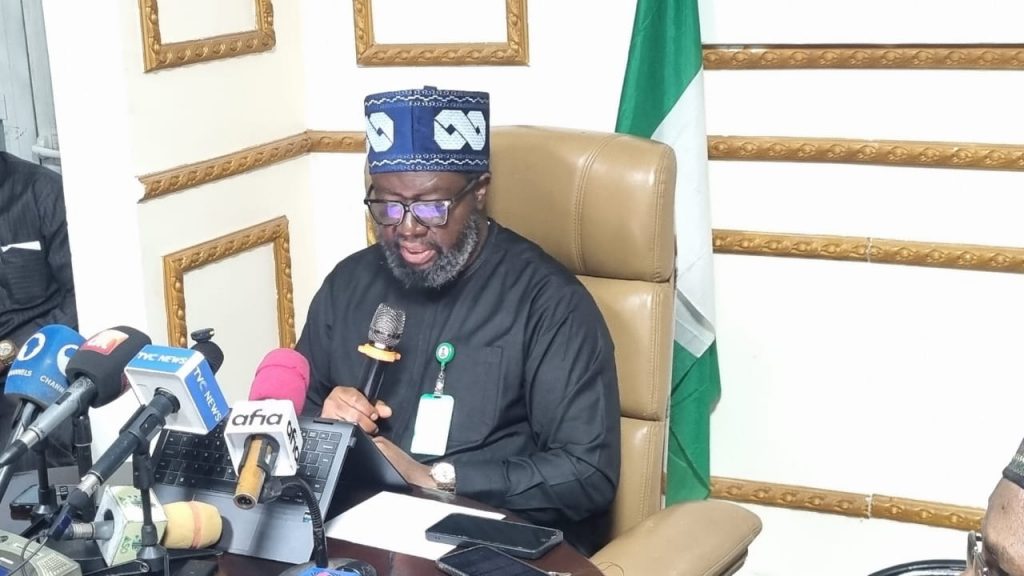
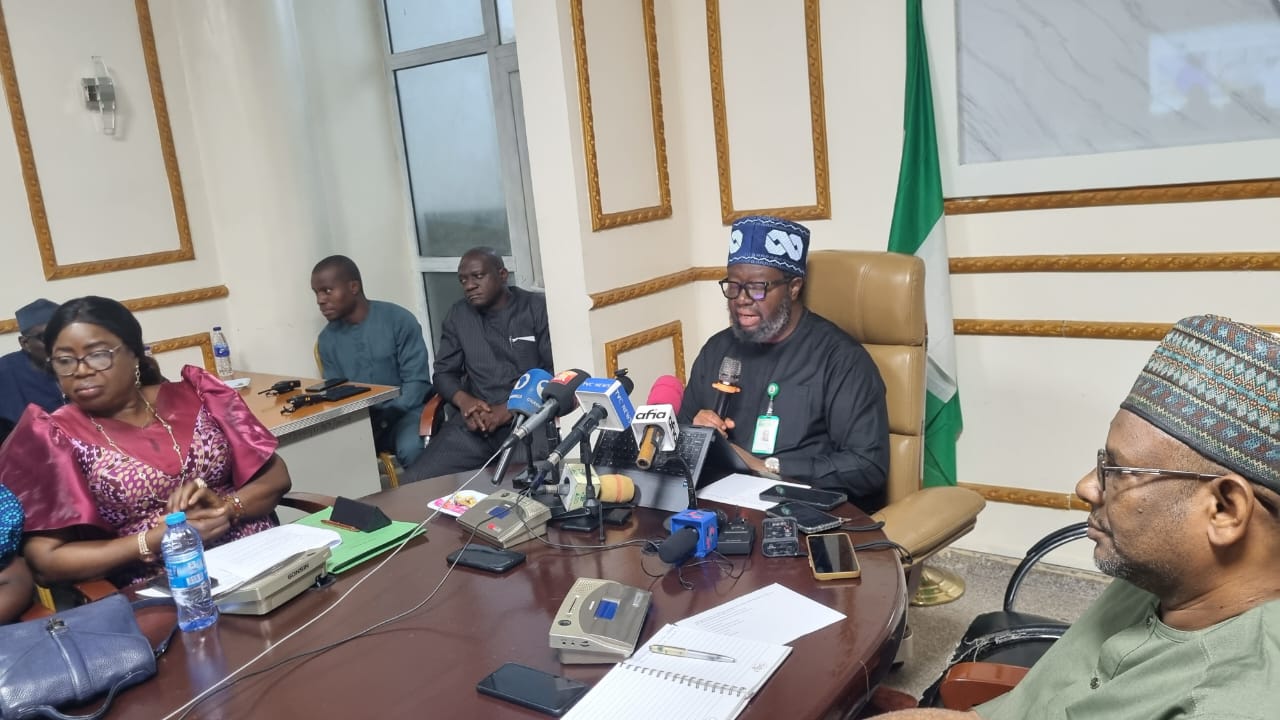
Speaking at a press conference ahead of the summit on Tuesday in Abuja, the Director-General and Chief Executive Officer of RMRDC, Prof. Nnanyelugo Martin Ike-Muonso, said the event would bring together policymakers, investors, researchers, technology providers and industrialists to develop practical strategies for transforming Africa’s abundant natural resources into industrial wealth.
The challenge, therefore, is not simply the abundance of resources, but the continent’s ability to transform those resources into industrial value, employment, technology and wealth within Africa.
Nigeria alone, according to the RMRDC, has more than $582.4 billion in documented non-renewable natural resources, while the wider continent possesses substantial deposits of critical minerals, agricultural raw materials and industrial feedstock.
Yet, the benefits of this resource endowment have often been constrained by inadequate processing capacity, weak infrastructure, limited technology, financing gaps and fragmented regional value chains.
From Dialogue to Industrial Action
ARMS 2026 builds on the maiden edition held in May 2025, which attracted more than 1,000 delegates from across the world.
The inaugural summit also witnessed the unveiling of the Ten-Year Raw Materials Transformation Roadmap (2025–2034) by the Minister of State for Industry, Senator John Owen Enoh.
The roadmap was designed around areas including technological capability, climate-resilient processing and backward integration, establishing a policy framework for greater domestic utilisation of Africa’s raw materials.
The second edition is expected to move the conversation further by bringing policy, capital, technology and industrial stakeholders around practical mechanisms for turning raw materials into locally manufactured products.
One of the major proposals highlighted by the RMRDC is the 30 per cent Mandatory Value Addition Bill, which seeks to establish a statutory minimum level of value addition to Nigerian raw materials before export.
The Council says the proposed framework could support job creation, import substitution, foreign-exchange conservation and increased manufacturing contribution to the economy.
Building the Infrastructure for Value Addition
The industrial transformation envisaged by ARMS 2026 goes beyond legislation.
A major concern is the “missing middle” between where raw materials are produced and where factories are located.
Poor transportation networks, inadequate cold-chain facilities, weak rural roads, limited testing and certification infrastructure and border-related delays can make locally sourced materials more expensive and less competitive.
Consequently, logistics and infrastructure constitute one of the five principal pillars of the summit.
The objective is to develop more reliable corridors connecting farms and mines with processing centres and manufacturing facilities, thereby reducing losses and improving the movement of industrial inputs.
The Digital Dimension
Technology is also becoming an important part of the Council’s strategy.
The RMRDC says it has developed the Nigeria Integrated Information Statistical System for Raw Materials and Products (NISSRAMP), described as a digital repository containing information on feedstock deposits, specifications, production outputs and industrial absorption rates.
The Council has also highlighted its transition towards paperless operations and its certification as a Data Controller/Processor of Major Importance by the Nigeria Data Protection Commission.
Such digital infrastructure could provide investors and manufacturers with better information about the availability and characteristics of raw materials while supporting more informed industrial planning.
Turning Waste Into Industrial Inputs
Another major component of ARMS 2026 is the proposed expansion of the circular economy.
The summit will examine how agricultural by-products, mine tailings, scrap metals and biomass can be recovered and reused as inputs for new production processes rather than being treated simply as waste.
The RMRDC argues that such an approach could lower raw-material costs while supporting more sustainable and climate-resilient manufacturing systems.
For Africa, where industrial expansion must increasingly balance economic development with environmental considerations, waste industrialisation could become an important part of the continent’s manufacturing conversation.
From National Production to African Value Chains
The African Continental Free Trade Area is another important element of the summit’s agenda.
The RMRDC sees AfCFTA as an opportunity to create regional value chains in which raw materials sourced in one African country can be processed and supplied to manufacturers in another.
Under such a model, Africa would move beyond simply exporting commodities to external markets and develop stronger internal networks for supplying chemicals, refined minerals, agricultural inputs and other industrial materials across national borders.
This approach places regional integration at the heart of Africa’s industrialisation strategy.
Bridging Research and Capital
A recurring weakness in many developing economies is the gap between research and commercialisation.
Innovations may emerge from universities, research institutions and laboratories without receiving the financing, equipment or market connections required to become commercially viable.
ARMS 2026 intends to address that gap through technology commercialisation and capital linkages, connecting research outputs with investors, development finance institutions and industrial off-takers.
The RMRDC has also cited partnerships with the Bank of Industry for commercial-scale post-harvest processing and a South-South technology-transfer partnership with the National Innovation Centre par Excellence in Shanghai, China.
A Larger Industrial Conversation
The scale of ARMS 2026 is expected to be significantly larger than the maiden edition.
The organisers project more than 1,800 delegates from all 54 African countries and global industrial partners.
The programme will feature high-level policy dialogues, technical panels, an advanced raw materials and technology exhibition, industrial site visits and the African Raw Materials Industry Awards.
The exhibition, in particular, is expected to showcase locally fabricated processing machinery, advanced domestic materials, green chemicals and engineered commercial inputs.
Beyond the speeches and exhibitions, however, the real significance of ARMS 2026 will ultimately depend on what happens after the summit.
Africa’s challenge has never been a shortage of raw materials. The more difficult question has been how to transform those resources into factories, products, skilled employment, technology and sustainable economic opportunities.
For Nigeria and the rest of the continent, the proposed shift from “pit-to-port” to “feedstock-to-factory” therefore represents a broader debate about the future structure of African economies.
ARMS 2026 seeks to place that debate firmly on the industrial agenda — with value addition, technology, finance, infrastructure, circular production and regional trade at the centre.
If the commitments and partnerships generated by the summit translate into measurable industrial activity, the event could provide another platform for Africa to examine how its enormous resource base can support stronger domestic manufacturing.
The message from the organisers is clear: the continent’s raw materials should not only leave African soil as commodities; they should increasingly become the foundation for African industrial production
-
 Featured7 years ago
Lampard Names New Chelsea Manager
-
 Featured6 years ago
FG To Extends Lockdown In FCT, Lagos Ogun states For 7days
-
 Featured7 years ago
Children Custody: Court Adjourns Mike Ezuruonye, Wife’s Case To April 7
-
 Featured7 years ago
NYSC Dismisses Report Of DG’s Plan To Islamize Benue Orientation Camp
-

 Featured5 years ago
Transfer Saga: How Mikel Obi Refused to compensate me After I Linked Him Worth $4m Deal In Kuwait SC – Okafor
-
Featured7 years ago
Board urges FG to establish one-stop rehabilitation centres in 6 geopolitical zones
-
Sports4 years ago
TINUBU LAMBAST DELE MOMODU
-

 News2 years ago
Zulu to Super Eagles B team, President Tinubu is happy with you