
Agriculture
Kogi’s Community Gears Up For Transformative Agricultural Show To Boost Food Security
By Salifu Usman, Abuja
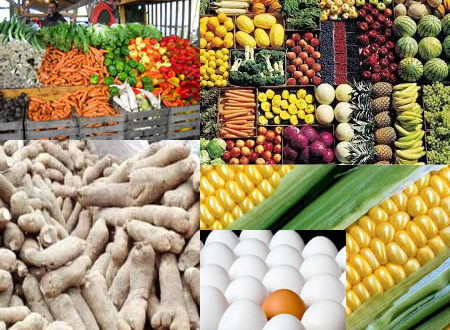
Anticipation is reaching a fever pitch in Dekina local government area as the Aloko Oganenigu Agricultural Show prepares to open its gates. Thousands of farmers from within the community, across Kogi State, and even further afield are set to converge, ready to proudly display a diverse array of their agricultural produce at what promises to be a landmark event for the region’s agricultural sector.
Beyond the vibrant showcase of crops and livestock, the initiative holds a profound objective: to ignite a passion for agriculture among younger generations. Organisers envision the show as a catalyst, inspiring youth to embrace farming as a viable and rewarding pathway towards sustainable development and robust economic growth for the state.
The event is not merely a local affair; its significance is underscored by the high-profile attendance expected. Academia, key policymakers, top security experts, and a host of influential politicians are slated to grace the occasion. Notably, the Executive Governor of Kogi State, Alhaji Ahmed Usman Ododo, alongside both federal and state lawmakers, will be present, highlighting the government’s commitment to agricultural development.
Elder Michael Alfa, the visionary initiator and patron of the organising body, the Aloko Oganenigu Township Development Forum, expressed immense satisfaction with the overwhelming community support. “The overwhelming support received from individuals, groups, and stakeholders across the Oganenigu community has laid a strong foundation for what promises to be a historic and transformative agricultural event,” stated Elder Alfa. He further emphasised that this remarkable outpouring of unity, commitment, and shared responsibility reflects a common vision for development, enhanced food security, and the economic upliftment of Oganenigu community and beyond.
Elder Alfa extended his heartfelt appreciation to all donors and supporters, whose generosity has been instrumental in bringing the show to fruition. He noted that their contributions have not only energised the planning process but have also fortified the conviction that, with unity, even the most formidable challenges can be overcome. He used a powerful local adage to illustrate this point: “just as a united community can tie down a lion.” This sentiment resonates deeply within a community striving for progress and collective prosperity.
Providing an update on the extensive preparations, Aminu Haruna, chairman of the Aloko Oganenigu Township Development Forum, assured stakeholders that the organising team remains steadfast in its commitment to delivering an impactful, inclusive, and innovative agricultural exhibition. “As activities intensify, the organising team remains committed to delivering an impactful, inclusive, and innovative agricultural exhibition,” Hon. Haruna affirmed. He reiterated that the core aims of the event are multifaceted: to empower local farmers with new knowledge and opportunities, to inspire greater youth participation in the agricultural sector, and to robustly showcase the rich agro-potential of the Oganenigu community. Ultimately, these efforts are geared towards bolstering food security and fostering long-term sustainability within the region and Kogi State as a whole.



Agriculture
ARCN Executive Secretary Dabbán Earns Double Recognition for Excellence
Joel Ajayi
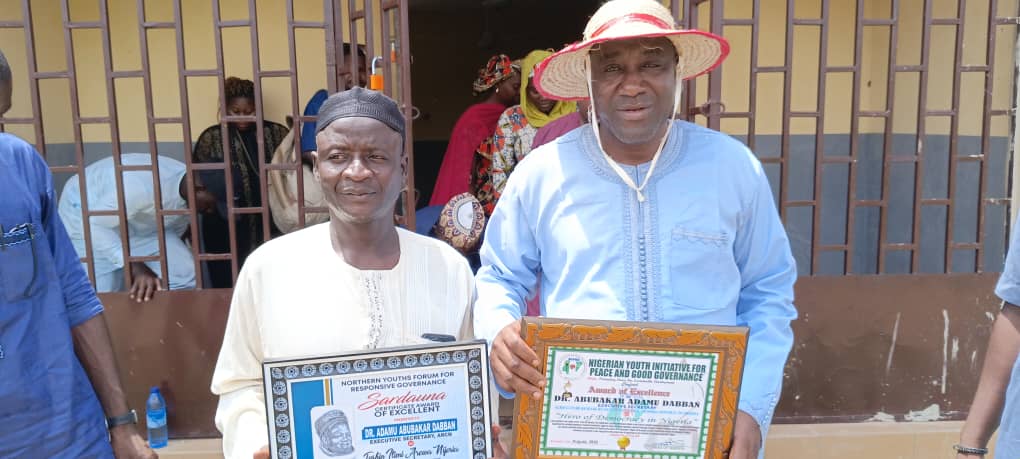
The Executive Secretary of the Agricultural Research Council of Nigeria (ARCN), Dr. Adamu Abubakar Dabban, has been honoured with a Double Award of Excellence by two youth-focused organisations for his leadership, commitment to good governance and contributions to the development of Nigeria’s agricultural sector.
In a statement signed on Tuesday by the ANIPR PRO, Agricultural Research Council of Nigeria Khadijat Ameen in Abuja stated that the honours were conferred on Dr. Dabban by the Nigeria Youth Initiative for Peace and Good Governance and the Northern Youth Forum for Responsive Governance.
The organisations recognised the ARCN Executive Secretary for what they described as his outstanding leadership and dedication to good governance, as well as his efforts toward advancing agricultural development in Nigeria.
The double recognition highlights the growing attention being given to leadership and institutional efforts aimed at strengthening Nigeria’s agricultural research and development ecosystem.
Receiving the honours, Dr. Dabban expressed appreciation to the organisations for the recognition, noting that such awards serve as encouragement to remain committed to the responsibilities entrusted to him and to the broader goal of advancing agricultural development.
The recognition comes as the ARCN continues its mandate of coordinating and promoting agricultural research and development in support of Nigeria’s food and agricultural priorities.
Congratulations to the Executive Secretary, Dr. Adamu Abubakar Dabban, on this distinguished double honour.
-
 Featured7 years ago
Lampard Names New Chelsea Manager
-
 Featured6 years ago
FG To Extends Lockdown In FCT, Lagos Ogun states For 7days
-
 Featured7 years ago
Children Custody: Court Adjourns Mike Ezuruonye, Wife’s Case To April 7
-
 Featured7 years ago
NYSC Dismisses Report Of DG’s Plan To Islamize Benue Orientation Camp
-

 Featured5 years ago
Transfer Saga: How Mikel Obi Refused to compensate me After I Linked Him Worth $4m Deal In Kuwait SC – Okafor
-
Featured7 years ago
Board urges FG to establish one-stop rehabilitation centres in 6 geopolitical zones
-
Sports4 years ago
TINUBU LAMBAST DELE MOMODU
-

 News2 years ago
Zulu to Super Eagles B team, President Tinubu is happy with you