
Opinion
Setting the Record Straight: Rebecca Omokamo Godwin-Isaac, Known as Hajiya Bilkisu Ishaku Aliyu, Responds to Allegations of Land Grabbing, Intimidation, Property Fraud, and Document Forgery
It is with profound sadness and emotional pain that I respond to the relentless and false allegations leveled against me, my family, and my business. These accusations, most recently published on December 23, 2024, by Sahara Reporters under the headline “How Nigerian Police Authorities Protect ‘Notorious Abuja Landgrabber’ Bilikisu Aliyu Accused of Intimidation, Property Fraud, Document Forgery,” have caused immense distress to me and those who depend on me. These claims are completely unfounded and represent a deliberate attempt to destroy everything I have worked so hard to build. Today, I must share my story to clear the air and appeal to the public’s sense of justice and fairness.
The Facts of the Property Acquisition
I, Rebecca Omokamo Godwin-Isaac, known as Hajiya Bilkisu Ishaku Aliyu, I am a realtor, who entered into this transaction not as a realtor but as a person who desire a place to live with my family and as such entered into this property purchase in good faith with one Mr. Richard Idakwogi John, the CEO and Managing Director of Rychado Homes Limited. Having done business with Mr. Richard for years, I had no reason to doubt his professionalism or integrity. I trusted him completely when he presented me with original documents for the property—Plot 4022 in Guzape District, Abuja—and I proceeded to purchase it. I paid in full for the property, intending to create a home for myself and my family.
It was a dream come true for my husband, my children, and me when we moved into the property. It became our sanctuary, a place filled with love, joy, and the promise of a bright future. However, despite my genuine intentions and the transparency of this transaction, the Yesufu family has continued to spread falsehoods and make defamatory claims against me, tarnishing my image and attempting to destroy everything I have worked so hard to build.
Mr. Richard himself has admitted in front of witnesses, including my colleague and business partner Ugochukwu Nnam, who is also a business partner to Mr. Richard, that I paid for the property in full. This admission was also made during meetings with the Economic and Financial Crimes Commission (EFCC), which were attended by:
• Olanipekun Olukoyede, EFCC Chairman
• Abdulkareem Chiko, Director of Investigations
• EFCC Staff: Paul, Ahmed, and Bashir
• Pastor Isaiah Yesufu, a member of the Yesufu family and Pastor at RCCG Throne Room, Transcorp Hilton, Abuja
I have purchased multiple properties from Mr. Richard in the past without any issues. It is heartbreaking that what was supposed to be a legitimate transaction has turned into a weapon used to harass and intimidate me. The constant attacks have not only affected my business but have also put my family’s peace and safety at risk.
A Track Record of Integrity and Credibility
I want to categorically state that I am not a privileged individual relying on influence or favoritism to acquire property. My father is not a royal highness in the North, nor do I have any connections to grant me undue access to land. Every piece of land I own was legitimately purchased, paid for in full, with proof of payment and witnesses to every transaction.
I challenge anyone to inquire about my company, Homadil Realty Ltd, or me, Hajiya Bilkisu Ishaku Aliyu, anywhere in Nigeria or beyond. No one can truthfully claim that we have ever defrauded them. Over the years, I have built my integrity and credibility to the highest standard, and I stand firmly by my reputation.
Furthermore, neither I nor Homadil Realty Ltd has ever been allocated land. We do not have any insider connections or employees working at AGIS (Abuja Geographic Information System). All the properties we own were purchased through legitimate means, backed by proper documentation and credible witnesses. These facts reflect the principles of transparency and fairness that I, my family, and my company uphold at all times.
My Efforts to Resolve the Dispute
Although I am an innocent party in this matter, I have taken proactive steps to resolve the dispute amicably. Out of goodwill, I offered compensation to the Yesufu family, even though I bear no responsibility for the issues surrounding the property. Regrettably, these efforts were outrightly rejected. Their refusal to engage in meaningful dialogue and their insistence on pursuing a campaign of harassment and defamation suggest that their intent is not justice but rather my personal and professional downfall.
The Role of the Yesufu Family
I am deeply saddened and troubled that members of the Yesufu family, who know the truth about this matter, have remained silent while Abdul Rahman Yesufu continues to lead a campaign of false allegations, harassment, and defamation against me, my company, and my family. Among them are Isaiah Yesufu, Coleen Mero Yesufu, Maimunatu Yesufu, Nurudeen Yesufu, and Khadijah Iye Yesufu. Their silence in the face of this injustice is both heartbreaking and disappointing.
It is even more troubling that Abdul Rahman Yesufu has refused to attend EFCC meetings and interviews to address this matter. Only his brother, Isaiah Yesufu, showed up to these meetings, further emphasizing how Abdul Rahman is taking this issue personally and avoiding resolution. Instead of engaging constructively or seeking the truth, he has resorted to posting malicious publications while hiding behind a façade of anonymity. After his most recent defamatory publication on December 23, 2024, he fled to the United Kingdom, leaving behind a trail of hurt and damage. This is nothing short of cowardly behavior—refusing to face the issue, refusing to settle, and instead hiding while continuing to stir up trouble.
They know the truth, and so does he. Why would they stand by and watch as a fellow human being—a woman, a mother, and a hard-working entrepreneur—is subjected to such cruelty? Does Abdul Rahman Yesufu not have sisters or daughters? Would he allow anyone to treat them this way? Would the rest of the family watch in silence if the roles were reversed?
I appeal to their sense of justice and humanity. I urge them to reflect on their actions—or lack thereof—and the harm they are allowing to unfold. Let us act with fairness, compassion, and respect for the truth.
A Coordinated Vendetta by the Yesufu Family
This matter has gone far beyond a property dispute. It has turned into a coordinated and targeted vendetta led by Abdul Rahman Yesufu to tarnish my name, destroy my business, and intimidate my family.
As a young woman striving to succeed in the male-dominated field of real estate, I have faced countless challenges, but I have persevered. These recent attacks feel like an effort to tear me down simply because I have worked hard and achieved success. Why would anyone want to destroy a woman who is tirelessly working to build a better future for herself, her family, and the community? These actions are not just hurtful; they highlight a troubling aspect of our society where hard-working individuals are targeted simply for trying to succeed.
The Arrest of My Husband
The harassment I have faced extends beyond baseless allegations. My husband was unjustly arrested by the EFCC and detained for two weeks. This baseless detention was a deliberate attempt to intimidate me and tarnish our family’s reputation. It is appalling that innocent individuals can be targeted and detained in the name of personal vendettas. This experience has caused us immense emotional and psychological distress.
I must ask: How can we build a society where people can manipulate systems of power to harm others for personal gain? These actions have not only violated my rights but have also shaken my faith in the systems meant to protect law-abiding citizens like myself.
Addressing the Allegations
- Land Grabbing and Property Fraud Allegations:
I purchased the property in good faith, trusting the professionalism and reputation of Mr. Richard Idakwogi John, who provided me with all necessary documentation. These allegations are false, malicious, and defamatory, designed solely to discredit me and harm my business. - Document Forgery Allegations:
At no point have I engaged in the forgery of any documents. All documentation was provided by Mr. Richard Idakwogi John, and I acted in full trust based on the information he presented. The claim of forgery is baseless and intended to destroy my reputation. - Intimidation Allegations:
I categorically deny any claims of intimidation. On the contrary, I have been the victim of intimidation, harassment, and cyberbullying, as evidenced by the repeated defamatory publications and my husband’s unjust detention. - Matter Is Currently in Court:
It is important to note that this matter is currently before the court. I believe in the rule of law and trust the judicial system to deliver a fair and just outcome. I urge all parties to respect the judicial process and allow the courts to do their job without interference.
Confidentiality Breach Amidst Ongoing Legal Proceedings
I am deeply pained and concerned that while this matter is still in court, members of the Yesufu family have taken it upon themselves to release privileged documents and sensitive information to the public. These actions are not only an attack on my reputation but also a violation of my fundamental rights to fairness and justice, as guaranteed by Section 36(1) of the Constitution of the Federal Republic of Nigeria, 1999 (as amended).
Despite enduring the emotional toll of these false accusations, the deliberate public dissemination of confidential materials by the Yesufu family has heightened my distress and jeopardized my safety. It is clear that these actions are part of a continued effort to tarnish my name and destroy my business. The law is explicit: the Evidence Act 2011 strictly regulates how documents are handled in legal matters. The premature release of such documents is not just unlawful but also a direct attempt to influence public perception and harm me further.
I appeal to the Yesufu family and all involved to respect the ongoing legal proceedings and refrain from actions that further harm me, my family, or my business. I believe in the justice system and trust that the courts will deliver a fair and impartial judgment. Let us allow the law to take its course without interference or undue exposure.
A Call for Justice and Fairness
I appeal to the public and the authorities to judge this matter based on facts, not sensationalized and misleading reports. I am a woman striving to succeed in an industry dominated by men, and I should not have to endure this level of harassment and defamation.
Is it right for someone to engage in cyberbullying and repeatedly expose me to public ridicule? Are we now living in a society where people can attack others with impunity? These malicious actions are not just an attack on me; they harm my family, my business, and the people who depend on my work for their livelihoods.
Conclusion.
This case is already in court and as we all know, when a case is in court, parties are expected not to discuss the strength of their case or the weakness of the other parties case.
I know with time the judiciary will put all these issues to rest judiciously.
I therefore urge the general public to
Disregard any negative news concerning me or my business, it is an act of mischief makers, who does not have respect for the rule of law.
In conclusion, I, Rebecca Omokamo Godwin-Isaac, known as Hajiya Bilkisu Ishaku Aliyu, remain steadfast in my belief in justice, fairness, and the truth. I am confident that the courts will deliver a fair judgment and that my name will be cleared.
I thank everyone who has supported me during this challenging time, and I appeal to the public to see the truth behind these attacks. Let us uphold the principles of justice, fairness, and integrity, and allow the courts to ensure that justice prevails.
A Call to Action for the Media
Finally, I respectfully request that all media outlets, including Sahara Reporters, retract the false and defamatory claims made against me and give me an opportunity to present my side of the story. Let us stand together for truth and fairness, and protect the dignity of every individual.



Opinion
China-Africa Cooperation: Tackling Insecurity Through Development
Lt. Gen. Abdulrahman B. Dambazau (rtd), PhD, CFR, Ambassador of the Federal Republic of Nigeria to the People’s Republic of China.
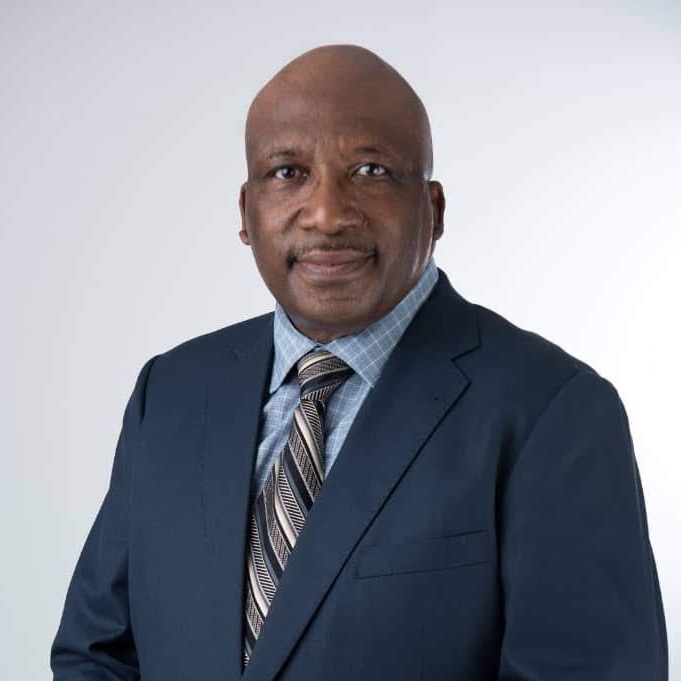
By Lt. Gen. Abdulrahman B. Dambazau (rtd), PhD, CFR
A farmer who cannot safely reach his land, a child whose school has closed because of violence, and a young graduate unable to find productive employment experience insecurity in different ways.
Their circumstances reveal a common challenge: lasting peace requires protection from violence and the opportunity to live with dignity. This connection should occupy a central place in China–Africa cooperation.
My experience in military leadership, internal security and diplomacy has reinforced my conviction that security operations must form part of a broader national effort. Armed forces and law enforcement agencies have indispensable responsibilities to protect communities, confront violent groups and uphold the law.
The gains they secure become durable when legitimate institutions, functioning services and economic opportunities take root.
Development is therefore a strategic component of security. Where communities can farm, trade, learn and obtain justice, they have stronger foundations for resisting the pressures that sustain violence.
Poverty does not automatically produce terrorism or criminality. Millions endure hardship without turning to violence. Insecurity also arises from political exclusion, contested resources, extremist ideologies, organised crime and institutional weakness. Nevertheless, prolonged deprivation and a lack of credible opportunities can create vulnerabilities that violent actors exploit.
Effective policy must address both those actors and the conditions that enable their influence.
China–Africa cooperation offers a framework for advancing this approach. The Forum on China–Africa Cooperation’s Beijing Action Plan for 2025–2027 brings peace and security into the same programme as industrialisation, agriculture, infrastructure, education, public health and green development. Its significance lies in the opportunity to connect these fields through practical implementation.
China’s development experience provides useful lessons. A joint study by the World Bank and Chinese institutions reported in 2022 that, over the preceding four decades, the number of people in China living below the international extreme-poverty line then in use had fallen by close to 800 million.
The study emphasised economic transformation alongside targeted poverty reduction measures. African countries can examine how agricultural productivity, infrastructure, education and employment expanded opportunity, while adapting relevant lessons to their own circumstances.
Africa’s countries have distinct histories, political systems and development priorities. Cooperation will achieve more when African governments define their needs clearly and negotiate partnerships that strengthen domestic capabilities. African ownership must guide project selection, implementation and assessment.
Agriculture should be an immediate priority. In communities affected by insecurity, restoring farming and rural commerce can support recovery and stability. Cooperation in irrigation, improved seeds, machinery, storage, processing and extension services can raise productivity and strengthen livelihoods. Investment should be accompanied by secure access to land, fair arrangements for managing water and grazing resources, and credible mechanisms for resolving disputes.
A processing facility has greater value when farmers can reach it safely, receive fair payment and access wider markets. Communities emerging from violence also need assistance that enables displaced families to return voluntarily, safely and with dignity, and rebuild sustainable livelihoods. Development planning and security planning must meet at this practical level.
Reliable electricity and productive industry are equally important. Power supply enables workshops, factories, health facilities and digital enterprises to function. Industrial cooperation should create opportunities for African workers, suppliers and entrepreneurs, with clear provisions for skills transfer and the maintenance of equipment and facilities.
Young people need realistic pathways from education to work. Technical training should connect to actual demand in manufacturing, construction, agriculture, logistics and technology. Programmes should be assessed by the capabilities and employment they produce. Partnerships between training institutions and employers can help ensure that qualifications lead to productive work.
Infrastructure must be judged by the economic activity and public services it enables. A railway, road or port can support national integration and trade, but its wider benefits depend on connections to local production and affordable access. Project planning must account for maintenance, environmental protection, community interests and financial sustainability. Financing arrangements should be transparent, with repayment obligations assessed against realistic economic returns and public resources.
Education and health deserve the same strategic attention.
Schools help communities recover continuity and hope after disruption. Accessible healthcare reduces household vulnerability and strengthens confidence in public institutions. Cooperation among universities, research centres, hospitals and technical colleges can build the expertise African countries need to sustain these services.
Women must participate fully in this work. Their livelihoods, access to services and involvement in local decision-making matter to household resilience and community recovery. Programmes designed without their participation risk overlooking essential needs and sources of knowledge.
Development cannot compensate for injustice. Communities require fair policing, accessible courts, accountable administration and protection from abuse. A school or clinic will contribute more to lasting stability where citizens also trust public institutions to treat them fairly. Economic investment and institutional reform should proceed together.
Security cooperation should reinforce these foundations. Professional training, peacekeeping capacity, maritime security, action against illicit arms and stronger responses to organised crime can help protect development gains.
Such cooperation should uphold national law, human rights and accountability. Its ultimate purpose must be the safety of people and the strengthening of legitimate institutions.
For Nigeria, the Comprehensive Strategic Partnership established during President Bola Ahmed Tinubu’s September 2024 visit to China provides a framework for pursuing these objectives. It offers an opportunity to connect bilateral cooperation more closely with Nigeria’s priorities for economic transformation and national security.
The next task is disciplined implementation. Every major commitment should have an identified responsible institution, a financing arrangement, a timetable and measurable outcomes. Proposed projects, signed agreements, funds disbursed and completed investments represent different stages of progress. Public reporting should make those distinctions clear.
We should ask practical questions. Has an agricultural project improved farmers’ incomes? Has an industrial investment created sustainable employment and developed local suppliers? Has training transferred skills that institutions can retain? Have communities affected by conflict gained safer access to schools, healthcare and markets?
These questions should guide the assessment of cooperation. They also require African governments to fulfil their own responsibilities: coordinating institutions, protecting public resources, maintaining infrastructure and ensuring that investment benefits communities fairly. Regional cooperation is essential where trade routes, shared resources and security threats cross national borders.
China–Africa cooperation can contribute substantially to peace when development expands opportunity, institutions earn public trust and security agencies protect citizens effectively. Its lasting achievement should be visible in ordinary lives: farmers returning safely to their fields, young people securing worthwhile work and children remaining in school. These are the foundations on which a more secure Africa can be built.
_Abdulrahman B. Dambazau is a retired Lieutenant General, former Chief of Army Staff and former Minister of Interior. He is currently the Ambassador of the Federal Republic of Nigeria to the People’s Republic of China. He writes from Beijing, China._
-
 Featured7 years ago
Lampard Names New Chelsea Manager
-
 Featured7 years ago
FG To Extends Lockdown In FCT, Lagos Ogun states For 7days
-
 Featured7 years ago
Children Custody: Court Adjourns Mike Ezuruonye, Wife’s Case To April 7
-
 Featured7 years ago
NYSC Dismisses Report Of DG’s Plan To Islamize Benue Orientation Camp
-

 Featured5 years ago
Transfer Saga: How Mikel Obi Refused to compensate me After I Linked Him Worth $4m Deal In Kuwait SC – Okafor
-
Featured7 years ago
Board urges FG to establish one-stop rehabilitation centres in 6 geopolitical zones
-
Sports4 years ago
TINUBU LAMBAST DELE MOMODU
-

 News2 years ago
Zulu to Super Eagles B team, President Tinubu is happy with you













