
Featured
WHY MRS ODOM IS THE BEST CANDIDATE WITH A PERFECT DEVELOPMENTAL BLUEPRINT
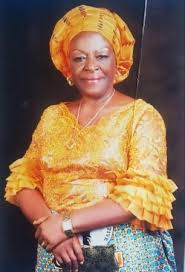
By Cyril Ogar
As the battle for the Northern Cross River senatorial by-election to fill the vacant seat occasioned by the death of late Senator Rose Okoh continued to gather steam with over 15 aspirants declaring their interest to contest the snap by-election.
The Independent National Electoral Commission INEC had canceled all elections, as a result of the outbreak of COVID-19, by Extention political parties suspended their state congresses across the country. With the recent release of elections, time table across the country political heavyweights in Cross River State have started aligning and re-aligning to clinch the coveted senatorial ticket on different political party platforms.
Among the heavyweights, front line contestant is Chief Mrs. Martina Odom who was a former commissioner, Educationist, a former woman leader, former Commissioner in Revenue Mobilization Allocation and Fiscal Commission, Abuja, and loyal party faithful.


A peep into Mrs. Odom’s background shows that she has carved a niche for herself, garnered experience in the political space of Cross River State. Mrs. Odom got her first political appointment as a member of the Cross River State Executive Council at a prime age of 27 years as the first female Commissioner in 1978.
Chief Mrs. Odom has served the State, in different capacities, as a member of various Boards of Parastatals, including Board Member Cross River State Universal Basic Education Board (SUBEB) to mention just a few.
Despite her early rise to political prominence, she has remained focused and resolute in the development of the average rural and urban people of Cross River State. During her constant tour of rural areas and her conversations with the people, she took it upon herself to address the educational challenges in Old Ogoja.
She rejected juicy job offers and appointments and decided to focus on human capital development with a switch into the classroom where she devoted 16 years of teaching, mentoring, and administration in public schools. She worked as a secondary school administrator in Comprehensive Secondary School Mfuma, Yala Secondary Commercial School, Okpoma and Holy Child Secondary School, Mount Carmel, Igoli-Ogoja.
In the mainstream of the Civil service, she rose to the peak serving as Permanent Secretary, Ministry of Women Affairs, and later Ministry of Information, a position she held until her retirement from the Civil Service in 2008.
For over one year, Mrs. Odom worked under H.E Sen. Liyel Imoke, combining the two onerous roles of Permanent Secretary and Commissioner due to the prolonged hospitalization of the then substantive Commissioner in the ministry where she served.
POLITICAL JOURNEY
She took her first shot at field politics in 2007, where she contested for the House of Representatives to represent Ogoja/Yala Federal Constituency. Again, in 2011, she made the second outing for the same seat. In both cases, she won the hearts of the people but respected the decisions of the party leadership. Mrs. Odom has nonetheless remained a steadfast, loyal, and committed party faithful.
Due to her vocal nature, in 2011, during the presidential campaign in Calabar, Chief Mrs. Martina Odom was the only female and one of the three others from the state that addressed the mammoth campaign crowd at the main bowl of the UJ Essuene Stadium, Calabar. Thrilled by her eloquence, boldness, and brilliance, she was nominated for a Ministerial appointment, by the then governor, His Excellency, Sen. Liyel Imoke, the first female in state history to be so honored. This was truncated by political schemers and manipulations after she had gone through the whole process of screening.
In 2012, she was again nominated by His Excellency Sen. Imoke and appointed by the then President of the Federal Republic of Nigeria, H.E Dr. Goodluck Ebele Jonathan, to represent Cross River State at the Revenue Mobilization Allocation And Fiscal Commission (RMAFC) Abuja, a position she occupied for five years. Again this goes to prove the depth of confidence and trust that the Governor had in the capability of this woman, Chief Mrs. Martina Odom.
Mrs. Odom was a delegate who represented Yala Local Government, at the PDP National Conventions, twice in Abuja and once in Port Harcourt. She has always served in the major Campaign Committees of all the Governors she had worked with, from Donald Duke, Sen. Liyel Imoke, and Sir, Prof. Ben Ayade. Her polling unit and ward are red flags to other candidates as she continues to deliver results for her party, the People’s Democratic Party (PDP). It can unequivocally be said that Mrs. Odom has paid her dues in the politics of Cross River State.
MRS. ODOM’S GOALS
Mrs. Odom understands the workings of the Sustainable Development Goals (SDGs) and its potential to transform the lives of her people and this puts her ahead of other contenders for the exalted position of Senator representing Cross River North. Through careful study and research of the challenges facing the district, she has identified the problems and proffers “the HOW”.
Fundamental To Her Manifesto Is Infrastructural Development And SDG Goal
The people of Northern Cross River are known to be hardworking, despite the enormous challenges they face on a daily basis and never cease to be productive. However, the current state of infrastructures to support productivity and development is aged, degraded, and non-existence. It is a generally accepted saying that infrastructural developments remain the key to solving economic challenges of which its lack has greatly affected Cross North growth.
Chief Mrs. Odom’s strategy to transform the region is first working with relevant stakeholder groups to identify the most pressing needs and address them speedily. It is a recurring decimal that communities in Northern Cross River do have similar challenges ranging from lack of transportation, energy, water, internet, and basic sanitation infrastructures that are critical to bringing about sustainable economic growth and certainly answered aged long questions. Furthermore, tackling infrastructural challenges present great opportunities for businesses and individuals to thrive and collectively contribute their quota to developing the District.
ACHIEVEMENTS
It is necessary to note that Mrs. Odom’s appointments had all been State and Federal appointments, so she was answerable, primarily to the State and Federal Government, with her Constituency in focus.
EMPLOYMENT: In her tenure as a member of the State Executive Council, Mrs. Odom had the opportunity of influencing the employment of several young men and women spread across all the Local Government Areas of the State (Akwa Ibom/Cross River) whenever opportunities availed, essentially based on merit and fair distribution. She has recommended and influenced the employment of over eight hundred (800) Northern Cross River sons and daughters in both federal and State Ministries, Departments and Agencies (MDA’s) based on merit. Almost four of such persons have risen to the rank of directors in the various ministries, departments, and agencies.
EMPOWERMENT: Chief Mrs. Martina Odom has been at the forefront of women and youth empowerment in the area of Tailoring, Tiling, Plumbing work, Aluminum work (Alumaco), Electricals works, and provision of funds for micro-businesses. She has also supported sporting activities and the entertainment sector to harness the potentials of the youths. With her rich background in theater arts, she knows the potentials in the creative industry hence her continuous support for the youths.
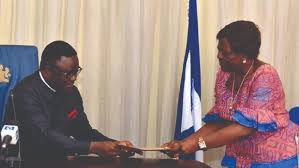
SOME OTHER PROJECTS INITIATED BY CHIEF MRS ODOM
THE RADIO BOOSTER STATION: During her tenure as director of information, she was worried that her constituents were not properly reached and informed about the State Government programs and policies. To avoid misinformation, she initiated the establishment of the Radio Booster Station in Ugaga. She did this based on identified needs and suitability of the project.
As Commissioner for Rural Development and Cooperatives, Mrs. Martina Odom carried out quite a good number of developmental projects in different parts of the State. The emphasis, however, will be placed on the projects she attracted to old Ogoja.
-She facilitated the certification of the Cross River State Cooperative Bank with all its attendant economic benefits to the State.
-She established a Works Unit at Ogoja, well equipped with heavy earth moving equipment which was used to open up and rehabilitate rural roads across the State. Several rural roads were opened, rehabilitated in virtually all the Local Government Areas of the State during Mrs. Odom’s tenure as Commissioner for Rural Development and Cooperatives. Among them are the following few in the defunct Ukelle Local Government Area:
-Construction of the 8km road from Ipollo to Ijibollo road in South Ukelle.
-Construction of a 4km link road between Ijiraga and Ebo, to reduce the pain of the very bad stretch of the road from Yahe to Ebo.
-Construction of the 8km road from Ekwok Market in Wanokom to Agbe River.
PROVISION OF PIPE BORNE WATER: Several boreholes were installed all over the state through her. She ensured villages that had no source of drinking water get one.
TELEVISION PYLON: In her time as Permanent Secretary, a Television mast was installed in the ranch to strengthen the airwaves and improve the CRBC signals at the Ranch resort.
CIVIC CENTRE/SKILLS ACQUISITION CENTRE: Mrs. Odom even after her retirement from the Civil Service was still very concerned about the welfare of her people. She influenced the construction of a Skills/Acquisition center in Wanokom with the primary aim of training youth in different skills and equipping them with tools after the training. This is to make them self-reliant, stem the rural-urban drift and to keep them out of crime
Chief Mrs. Martina Odom was more than a typical 7: am to 3: pm Principal. In the 16 years, she managed schools, she was deeply involved in the welfare of both her students and staff alike because of her belief that this has a direct impact on their productivity.
DEVELOPMENTAL BLUEPRINT
Having been born, schooled, and worked in Yala and Ogoja, (The headquarters of the Northern Senatorial District) in all her formative and impressionable years, she has a sound knowledge of the people, their problems, and their needs. From broad-based interactions, she also knew their potentials; tapped and untapped. She particularly appreciates the needs and yearnings of the youths through the privileged opportunity of having been a school administrator in both Yala and Ogoja for 16 whole years.
Despite this, she has been having regular interface with her constituents by holding quarterly town hall meetings which afford her the opportunity to directly hear from the people themselves what their pressing pains are. Consequently, underneath are some of the pressing issues which she hopes to address if elected into the Red Chamber:
BOUNDARY DEMARCATION: The Northern and Western boundaries of the Northern Senatorial District of Cross River (Benue and Ebonyi State) respectively, have witnessed deadly clashes, almost on a yearly basis resulting in the loss of valuable human lives and destruction of properties. The aim is clearly to annex Cross River land. Being a victim of such a crisis, losing close family members, and total razzing down of her home, and that of many others, she will work assiduously with her colleagues, the National Boundary Commission, Office of the Surveyor-General of the Federation, the Presidency and any other relevant MDA to put pressure on them to have the boundaries in these two locations demarcated once and for all and so put to an end the needless bloodletting.
POOR STATE OF FEDERAL ROADS: The total abandonment of Federal roads in the State, particularly in the Northern Senatorial District, is a major cause of many fatal road accidents and serious economic setbacks to the people of the District. She will spend quality time lobbying the relevant MDAs to draw their attention to this problem and ensure the inclusion of these roads in the budget, and their execution. Roads such as Yahe-Wanokom-Benue Road, Alifokpa-Benue Road, Sections of Mbok-Abakpa-Bekwara Road, etc. Intra-state roads will not be left out as she will ensure they are captured in the constituency projects.
EMPOWERMENT OF WOMEN AND YOUTHS: It is common knowledge that there is an escalation of crime in our society today. At the center of these crimes are young men and women, some of them brilliant graduates, without jobs to occupy their time and engage their energies. It is believed that if this segment of the population can be effectively engaged in decent and lucrative businesses/jobs they will not risk their lives in these very dangerous crimes like armed robbery, kidnapping, child trafficking, prostitution, and cultism, etc. To this end, she will engage the services of experts to impart their knowledge to our youths and women and after the training equip, them with tools to make them self-reliant.
EDUCATION: As part of her educational support initiative, she will sponsor an inter-school competition among schools in the district. Handsome prices and gift items will be given to the schools and students. Similarly, she will also work with institutions of learning to identify students with overall academic performance and avail them of scholarships. She will, in addition, assist needy students to register for their SSCE/NECO examinations, obtain their JAMB forms, and provide scholarships/bursaries to enable them to attain their academic quests.
FEDERAL UNIVERSITY OF TECHNOLOGY, OGOJA: She will garner robust support for the establishment of the University of Technology Ogoja in support of the bill moved by Rt. Hon. Jarigbe Agom in the Green Chamber. She is no doubt the most qualified candidate and the popular choice of the people of the District.
They are no doubt that, Chief Mrs. Martina Ikedie Odom. aka. MIDO is the most, influential and well-prepared woman contesting for the upcoming Cross River Northern Senatorial District by-election, she is a well-articulated woman with many pedigrees.
No wonder she is the most loved candidate amongst her fellow contestants. Having gone through her antecedents, u will agree with me that, it is an established fact that her track records speak volumes.
- Cyril Ogar A Journalists, Public Analyst writes from Abuja



Business
Turning Africa’s Raw Materials Into Wealth: The ARMS 2026 Industrial Agenda
By Joel Ajayi
For decades, Africa’s vast natural resources have powered industries and economies far beyond the continent, while many African countries have remained largely exporters of unprocessed commodities and importers of finished products.
That familiar pattern is now coming under renewed scrutiny as policymakers, researchers, investors and industrialists seek to change the direction of Africa’s resource economy.
At the centre of that conversation is the second edition of the Africa Raw Materials Summit (ARMS 2026), scheduled for October 19 and 20 at the Abuja Continental Hotel, Abuja, under the theme: “From African Feedstock to African Factories.”
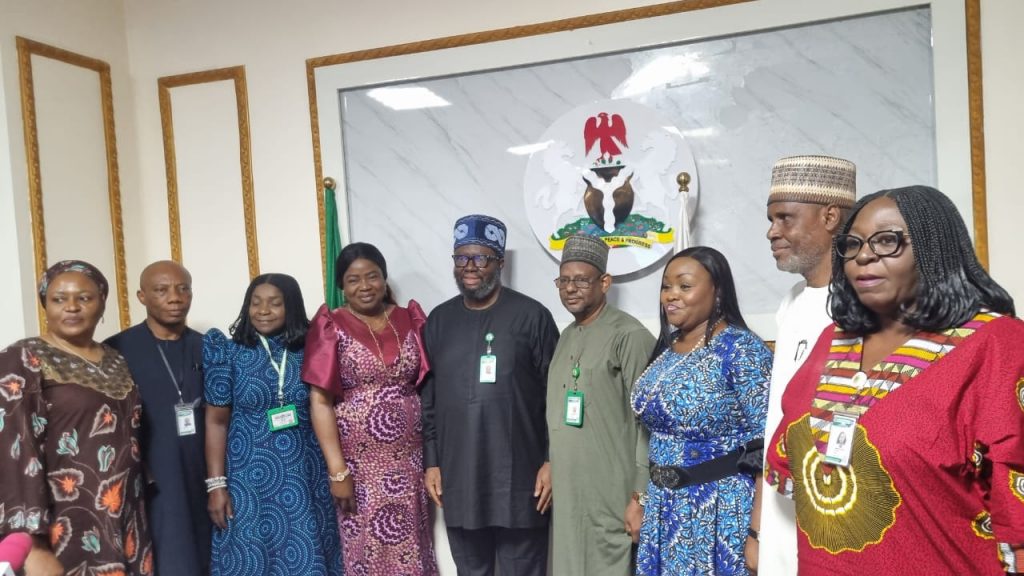
Organised by the Raw Materials Research and Development Council (RMRDC), the summit is being positioned as more than another gathering of policymakers and industry stakeholders. It is intended to provide a platform for confronting the structural challenges that have kept African raw materials largely disconnected from local manufacturing.
Africa has for years operated largely within a “pit-to-port” economic model, exporting raw materials while importing expensive finished products.
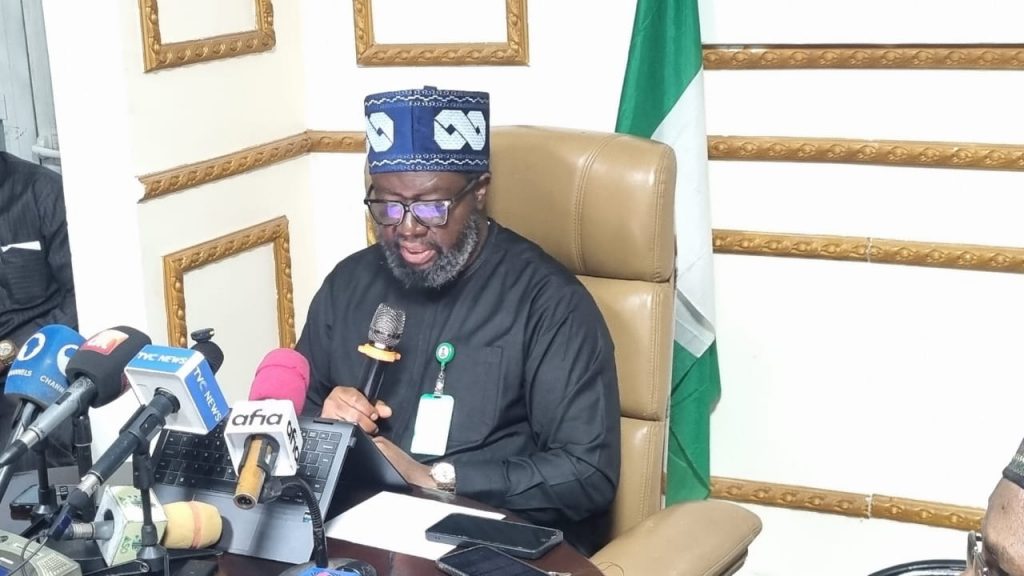
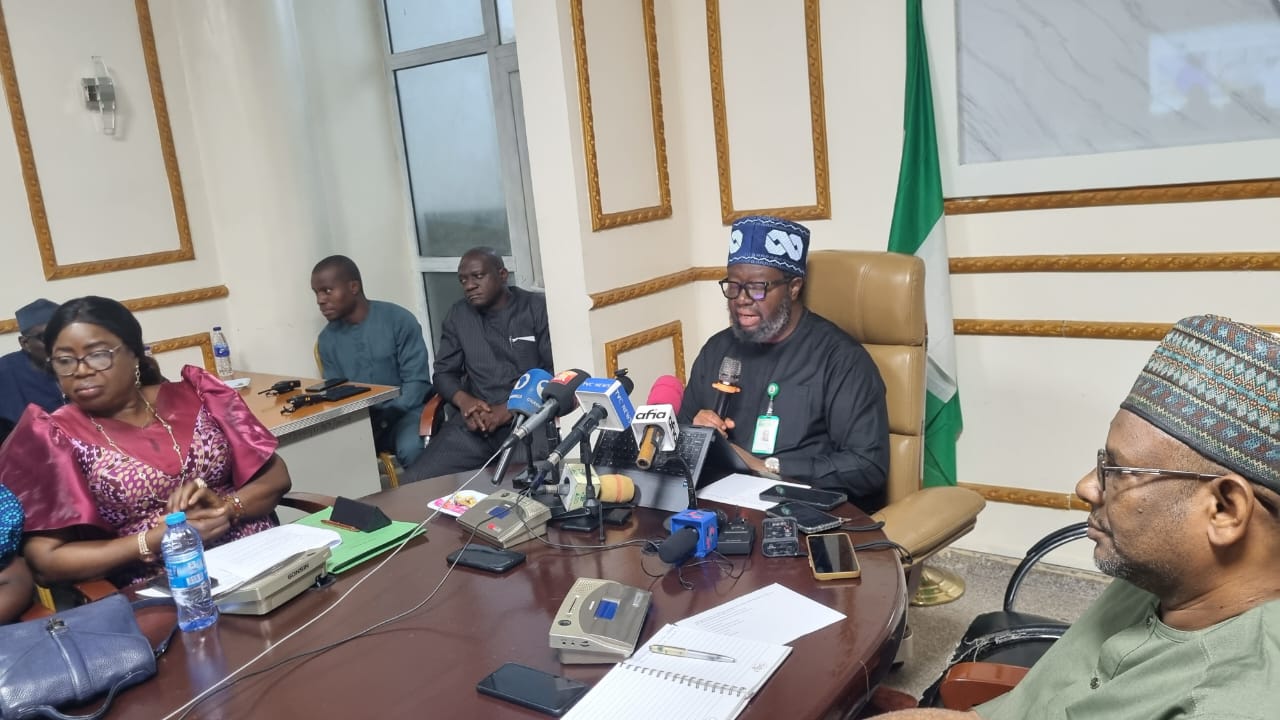
Speaking at a press conference ahead of the summit on Tuesday in Abuja, the Director-General and Chief Executive Officer of RMRDC, Prof. Nnanyelugo Martin Ike-Muonso, said the event would bring together policymakers, investors, researchers, technology providers and industrialists to develop practical strategies for transforming Africa’s abundant natural resources into industrial wealth.
The challenge, therefore, is not simply the abundance of resources, but the continent’s ability to transform those resources into industrial value, employment, technology and wealth within Africa.
Nigeria alone, according to the RMRDC, has more than $582.4 billion in documented non-renewable natural resources, while the wider continent possesses substantial deposits of critical minerals, agricultural raw materials and industrial feedstock.
Yet, the benefits of this resource endowment have often been constrained by inadequate processing capacity, weak infrastructure, limited technology, financing gaps and fragmented regional value chains.
From Dialogue to Industrial Action
ARMS 2026 builds on the maiden edition held in May 2025, which attracted more than 1,000 delegates from across the world.
The inaugural summit also witnessed the unveiling of the Ten-Year Raw Materials Transformation Roadmap (2025–2034) by the Minister of State for Industry, Senator John Owen Enoh.
The roadmap was designed around areas including technological capability, climate-resilient processing and backward integration, establishing a policy framework for greater domestic utilisation of Africa’s raw materials.
The second edition is expected to move the conversation further by bringing policy, capital, technology and industrial stakeholders around practical mechanisms for turning raw materials into locally manufactured products.
One of the major proposals highlighted by the RMRDC is the 30 per cent Mandatory Value Addition Bill, which seeks to establish a statutory minimum level of value addition to Nigerian raw materials before export.
The Council says the proposed framework could support job creation, import substitution, foreign-exchange conservation and increased manufacturing contribution to the economy.
Building the Infrastructure for Value Addition
The industrial transformation envisaged by ARMS 2026 goes beyond legislation.
A major concern is the “missing middle” between where raw materials are produced and where factories are located.
Poor transportation networks, inadequate cold-chain facilities, weak rural roads, limited testing and certification infrastructure and border-related delays can make locally sourced materials more expensive and less competitive.
Consequently, logistics and infrastructure constitute one of the five principal pillars of the summit.
The objective is to develop more reliable corridors connecting farms and mines with processing centres and manufacturing facilities, thereby reducing losses and improving the movement of industrial inputs.
The Digital Dimension
Technology is also becoming an important part of the Council’s strategy.
The RMRDC says it has developed the Nigeria Integrated Information Statistical System for Raw Materials and Products (NISSRAMP), described as a digital repository containing information on feedstock deposits, specifications, production outputs and industrial absorption rates.
The Council has also highlighted its transition towards paperless operations and its certification as a Data Controller/Processor of Major Importance by the Nigeria Data Protection Commission.
Such digital infrastructure could provide investors and manufacturers with better information about the availability and characteristics of raw materials while supporting more informed industrial planning.
Turning Waste Into Industrial Inputs
Another major component of ARMS 2026 is the proposed expansion of the circular economy.
The summit will examine how agricultural by-products, mine tailings, scrap metals and biomass can be recovered and reused as inputs for new production processes rather than being treated simply as waste.
The RMRDC argues that such an approach could lower raw-material costs while supporting more sustainable and climate-resilient manufacturing systems.
For Africa, where industrial expansion must increasingly balance economic development with environmental considerations, waste industrialisation could become an important part of the continent’s manufacturing conversation.
From National Production to African Value Chains
The African Continental Free Trade Area is another important element of the summit’s agenda.
The RMRDC sees AfCFTA as an opportunity to create regional value chains in which raw materials sourced in one African country can be processed and supplied to manufacturers in another.
Under such a model, Africa would move beyond simply exporting commodities to external markets and develop stronger internal networks for supplying chemicals, refined minerals, agricultural inputs and other industrial materials across national borders.
This approach places regional integration at the heart of Africa’s industrialisation strategy.
Bridging Research and Capital
A recurring weakness in many developing economies is the gap between research and commercialisation.
Innovations may emerge from universities, research institutions and laboratories without receiving the financing, equipment or market connections required to become commercially viable.
ARMS 2026 intends to address that gap through technology commercialisation and capital linkages, connecting research outputs with investors, development finance institutions and industrial off-takers.
The RMRDC has also cited partnerships with the Bank of Industry for commercial-scale post-harvest processing and a South-South technology-transfer partnership with the National Innovation Centre par Excellence in Shanghai, China.
A Larger Industrial Conversation
The scale of ARMS 2026 is expected to be significantly larger than the maiden edition.
The organisers project more than 1,800 delegates from all 54 African countries and global industrial partners.
The programme will feature high-level policy dialogues, technical panels, an advanced raw materials and technology exhibition, industrial site visits and the African Raw Materials Industry Awards.
The exhibition, in particular, is expected to showcase locally fabricated processing machinery, advanced domestic materials, green chemicals and engineered commercial inputs.
Beyond the speeches and exhibitions, however, the real significance of ARMS 2026 will ultimately depend on what happens after the summit.
Africa’s challenge has never been a shortage of raw materials. The more difficult question has been how to transform those resources into factories, products, skilled employment, technology and sustainable economic opportunities.
For Nigeria and the rest of the continent, the proposed shift from “pit-to-port” to “feedstock-to-factory” therefore represents a broader debate about the future structure of African economies.
ARMS 2026 seeks to place that debate firmly on the industrial agenda — with value addition, technology, finance, infrastructure, circular production and regional trade at the centre.
If the commitments and partnerships generated by the summit translate into measurable industrial activity, the event could provide another platform for Africa to examine how its enormous resource base can support stronger domestic manufacturing.
The message from the organisers is clear: the continent’s raw materials should not only leave African soil as commodities; they should increasingly become the foundation for African industrial production
-
 Featured7 years ago
Lampard Names New Chelsea Manager
-
 Featured7 years ago
FG To Extends Lockdown In FCT, Lagos Ogun states For 7days
-
 Featured7 years ago
Children Custody: Court Adjourns Mike Ezuruonye, Wife’s Case To April 7
-
 Featured7 years ago
NYSC Dismisses Report Of DG’s Plan To Islamize Benue Orientation Camp
-

 Featured5 years ago
Transfer Saga: How Mikel Obi Refused to compensate me After I Linked Him Worth $4m Deal In Kuwait SC – Okafor
-
Featured7 years ago
Board urges FG to establish one-stop rehabilitation centres in 6 geopolitical zones
-
Sports4 years ago
TINUBU LAMBAST DELE MOMODU
-

 News2 years ago
Zulu to Super Eagles B team, President Tinubu is happy with you